
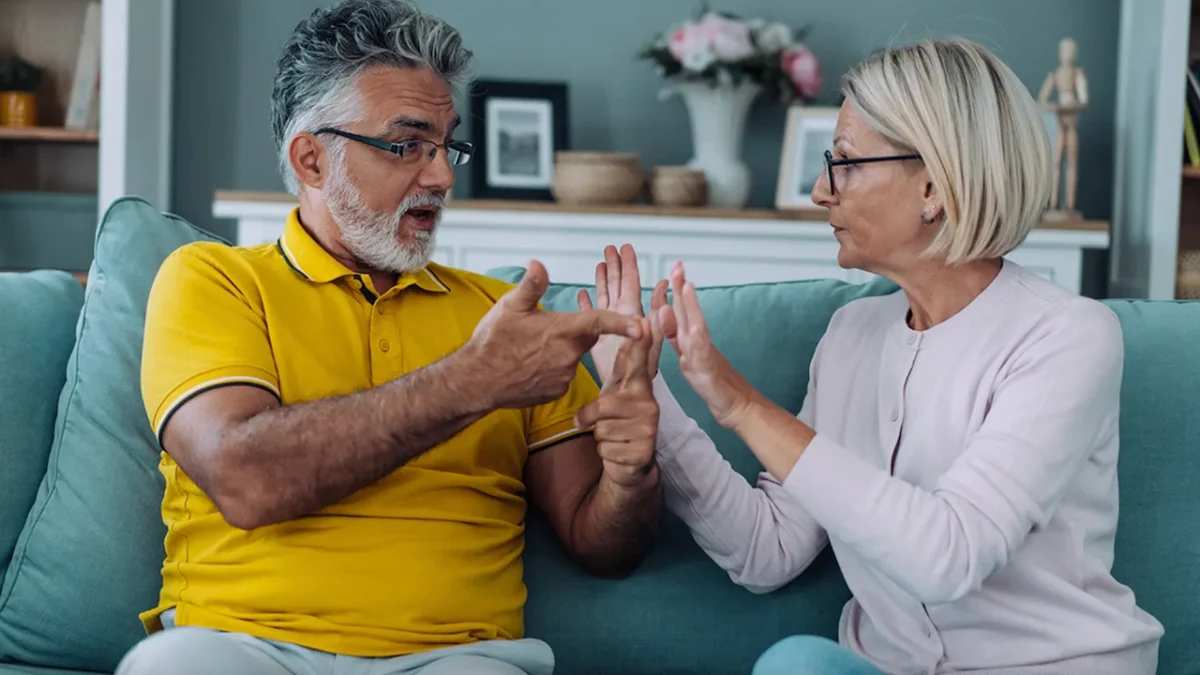
"Beyond mere psychological frustration, persistent negative social ties function as chronic stressors that measurably accelerate biological aging at a molecular level, adding nearly a year to an individual’s cellular age for every ‘hassler’ present in their life."
A groundbreaking study published in the Proceedings of the National Academy of Sciences (PNAS) has revealed that the company we keep has a direct, quantifiable impact on how quickly our bodies decline at a cellular level. By examining the presence of "hasslers"—individuals who consistently cause social difficulties or interpersonal conflict—researchers have identified a link between negative social environments and an accelerated pace of biological aging. This research shifts the conversation from the mental health impacts of "toxic" relationships to their tangible physiological consequences, suggesting that social friction may be a significant, yet often overlooked, risk factor for premature mortality and chronic disease.
The Science of Biological vs. Chronological Age
To understand the weight of these findings, one must first distinguish between chronological and biological age. Chronological age is simply the number of years a person has been alive. Biological age, however, refers to the physiological state of an individual’s cells and tissues. Two people may both be 50 years old, but one may have the cellular profile of a 40-year-old while the other resembles a 60-year-old. This discrepancy is often driven by "biological clocks" or epigenetic markers—chemical modifications to DNA that track the wear and tear the body has endured.
The researchers in this study utilized these sophisticated biological clocks to measure age-related changes. They found that social stress does not just make us "feel" older; it actually forces our cells to age faster. The study highlights that the human body treats social conflict as a form of chronic stress, triggering inflammatory responses and hormonal shifts that, over time, degrade the integrity of DNA and cellular function.
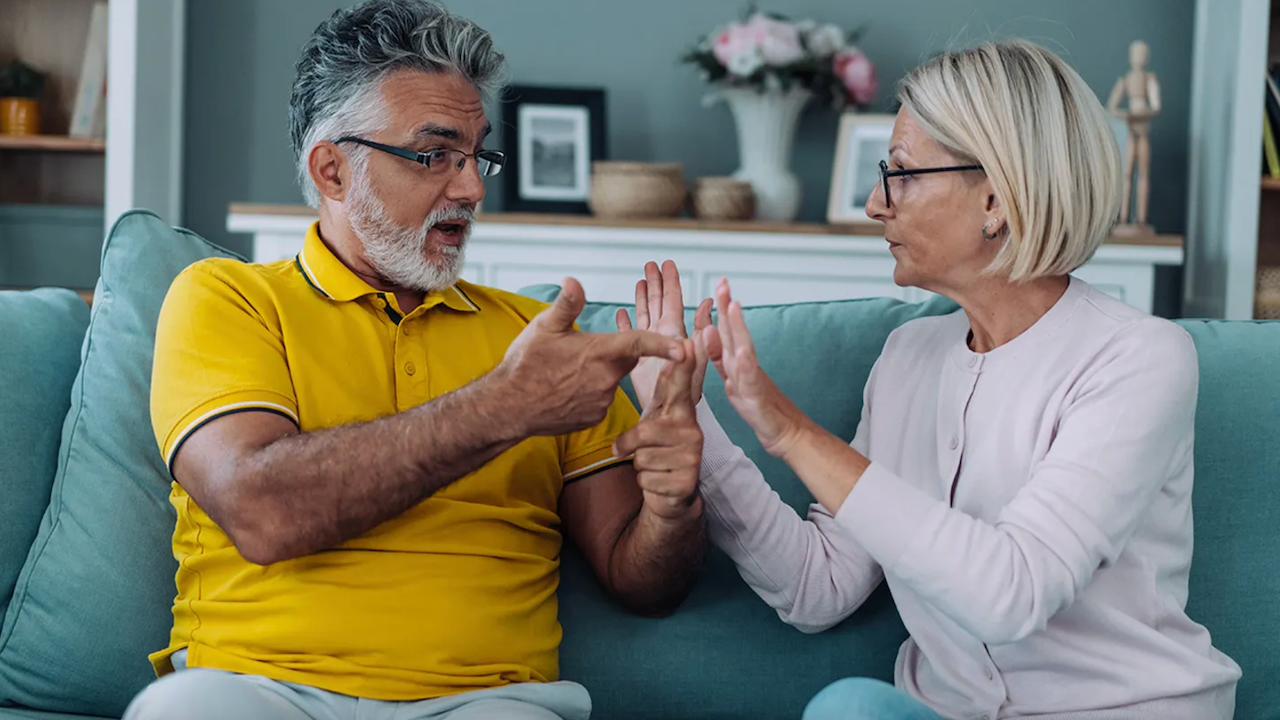
Identifying the "Hassler"
The study, which analyzed a sample of more than 2,000 participants from Indiana aged 18 and older, introduced the concept of the "hassler." These are individuals within a person’s immediate social circle—friends, family, or colleagues—who are characterized by their tendency to create problems, provoke arguments, or demand excessive emotional labor.
According to the data, nearly 30% of participants reported having at least one such person in their network. The reporting of hasslers was not evenly distributed across the population. Certain demographics were more likely to report high-friction social lives, including women, daily smokers, and individuals who had experienced adverse childhood events. Furthermore, those already in poor health tended to report more difficult social ties, suggesting a potential feedback loop where poor health and social stress exacerbate one another.
The Statistical Impact: Months and Percentages
The most striking aspect of the research is the precision with which it quantifies the "hassler effect." For every additional difficult person identified in a participant’s social network, the researchers observed a 1.5% increase in the pace of biological aging. In practical terms, this correlates to an approximately nine-month increase in biological age relative to chronological age.
This means that a person surrounded by multiple "hasslers" could be biologically years older than a peer with a more harmonious social circle. This acceleration is not benign; it is accompanied by higher levels of systemic inflammation, a greater burden of chronic conditions such as heart disease or diabetes, and significantly worse mental health outcomes, including increased rates of depression and anxiety.
The Hierarchy of Relationships: Why Family Hurts More
Interestingly, the study found that not all negative relationships carry the same biological weight. The researchers categorized hasslers into three groups: blood relatives, non-blood relatives (friends or colleagues), and spouses.

The data revealed that "kin" and "non-kin" hasslers had the most detrimental associations with biological aging. Blood relatives, in particular, act as potent chronic stressors because they are often unavoidable. Unlike a difficult friend who can be phased out, or a colleague who can be escaped by changing jobs, family ties are deeply embedded and often permanent. This lack of "exit potential" turns familial conflict into a persistent physiological burden.
Conversely, the study found that "spouse hasslers" did not show the same significant link to accelerated aging. The researchers hypothesize that this is due to the complexity of marital bonds. Even in high-conflict marriages, there is often a high volume of positive exchanges, shared resources, and intimacy that may buffer the negative impacts of the "hassling" behavior. The overall balance of the relationship—rather than just the presence of conflict—appears to be the deciding factor in how a spouse affects one’s health.
The Physiological Mechanism of Social Stress
Why does a difficult conversation or a persistent argument lead to cellular decay? The answer lies in the body’s stress response system. When we interact with a difficult person, the body often enters a state of "fight or flight," releasing cortisol and adrenaline. While this response is useful for short-term survival, chronic activation leads to a state known as allostatic load—the "wear and tear" on the body that accumulates when an individual is exposed to repeated or chronic stress.
Chronic social stress promotes systemic inflammation, which is a primary driver of aging. High levels of C-reactive protein and other inflammatory markers are associated with the degradation of telomeres (the protective caps on the ends of chromosomes) and changes in DNA methylation. As these molecular structures break down, cells lose their ability to repair themselves, leading to the premature onset of age-related diseases.
Strategies for Mitigation and Social Diversification
Byungkyu Lee, a co-author of the study and a researcher at NYU’s Department of Sociology, emphasizes that the solution is not always as simple as cutting people out of one’s life. "Many of these relationships involve family members or others who are deeply embedded in daily life, so the challenge is often not simply avoiding them, but finding healthier ways to manage them," Lee noted.

The study suggests that the "overall balance" of a social network is the most critical factor. To offset the biological toll of a difficult relative or friend, individuals should look toward social diversification. This involves expanding one’s network to include more positive, low-stress interactions. Community-based programs, shared hobbies, volunteering, and mutual aid groups can provide a "social buffer." By increasing the ratio of positive to negative interactions, individuals may be able to neutralize some of the inflammatory effects of their more difficult ties.
Limitations and Future Research
Despite the compelling nature of the findings, the authors urge caution in interpreting the results. The study establishes an association rather than a direct cause-and-effect relationship. Because the data was collected at a single point in time (cross-sectional), it remains unclear whether difficult people cause aging, or if individuals who are aging faster (perhaps due to illness or socioeconomic stress) are more likely to perceive or attract "hasslers."
Furthermore, the sample was limited to a specific geographic region in the American Midwest. Cultural differences in how social conflict is perceived and managed could mean that these results vary in different populations or socioeconomic contexts. The reliance on self-reporting also introduces the possibility of "perceptual bias," where a participant’s current mood or personality traits might influence how they categorize the people in their lives.
Conclusion: A New Frontier in Public Health
The PNAS study adds to a growing body of evidence suggesting that social health is inseparable from physical health. In an era where loneliness and social fragmentation are on the rise, understanding the molecular impact of our relationships is vital. If negative social ties are indeed a catalyst for biological aging, then interpersonal conflict management and social network health should be considered legitimate pillars of preventative medicine, right alongside diet, exercise, and sleep. As the researchers conclude, the goal is not just to live longer, but to ensure that the social environments we inhabit allow our bodies to age with grace rather than under the weight of avoidable stress.