
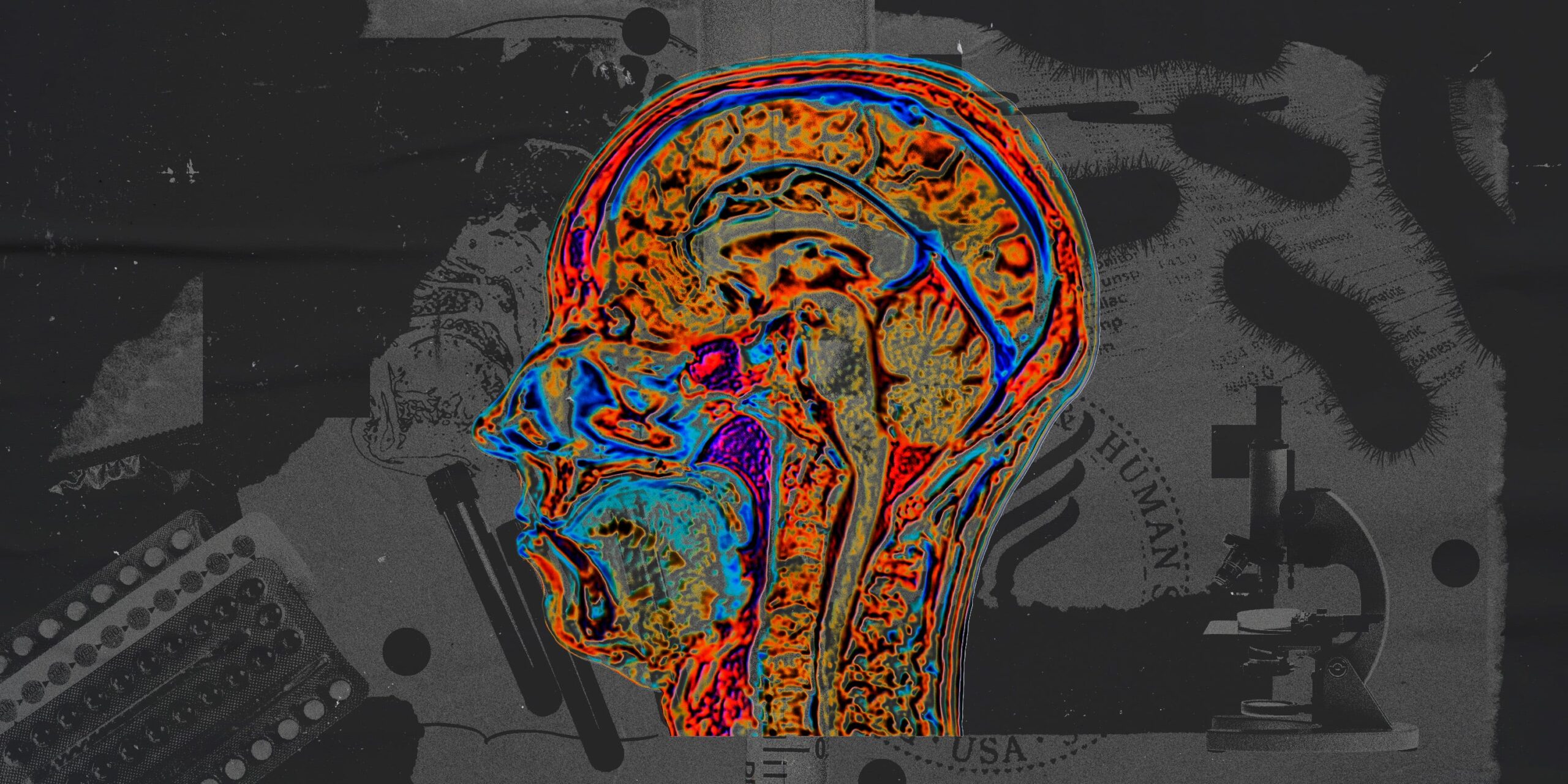
"By aligning Alzheimer’s prevention strategies with existing chronic disease programs, public health officials can reduce healthcare costs and mitigate the growing burden of dementia through proactive, unified health messaging."
The recent removal of comprehensive public health guidance from the Centers for Disease Control and Prevention (CDC) website has sparked significant concern among medical professionals and public health advocates. The deleted documentation, specifically an informational guide regarding the integration of Alzheimer’s messaging into chronic disease programs, served as a vital roadmap for health professionals to communicate the intrinsic link between lifestyle-related diseases and cognitive decline. This loss of government-vetted data represents a shift in how public health information is disseminated and managed, potentially complicating efforts to address the rising prevalence of neurodegenerative conditions through preventative care.
The Intersection of Chronic Disease and Cognitive Health
For decades, the medical community viewed Alzheimer’s disease and other forms of dementia as largely inevitable consequences of aging or strictly genetic misfortunes. However, modern clinical research has established a profound connection between "modifiable risk factors"—behaviors and health conditions that can be changed—and the onset of cognitive impairment. Chronic conditions such as hypertension, type 2 diabetes, obesity, and cardiovascular disease are now recognized not just as threats to physical longevity, but as primary drivers of brain health degradation.
The concept of "integrating messages" refers to a strategic approach where health professionals do not treat Alzheimer’s in a vacuum. Instead, when a clinician or public health program discusses heart health, they simultaneously address brain health. The biological mechanisms are often identical: what is good for the heart is good for the brain. For instance, managing blood pressure reduces the risk of stroke, but it also prevents small-vessel disease in the brain, a major contributor to vascular dementia and Alzheimer’s progression. When government-vetted guides that facilitate this integrated communication are removed, the ability of local health departments to implement cohesive prevention strategies is significantly diminished.
The Purpose of the CDC Alzheimer’s Communications Guide
The specific document in question, titled the "Alzheimer’s Comms Guide," was designed to provide public health professionals with the tools necessary to bridge the gap between various health sectors. Unlike general informational brochures intended for a lay audience, this guide was a strategic manual. It outlined how to leverage existing infrastructure—such as tobacco cessation programs, diabetes prevention workshops, and physical activity initiatives—to include cognitive health as a core outcome.
Dr. Christopher Christodoulou, a clinical and research neuropsychologist at Stony Brook Medicine’s Center of Excellence for Alzheimer’s Disease, emphasizes that the primary value of this information lies in its professional application. While the public can still find basic facts about dementia on various websites, public health professionals require specialized frameworks to influence behavior at a population level. By removing this guide, the government effectively removes the "how-to" manual for state and local health departments to maximize their resources.
The Economic Implications of Prevention
The removal of preventative health guidance is not merely an academic or social concern; it carries heavy economic consequences. Alzheimer’s disease is one of the most expensive conditions to manage in the United States. According to the Alzheimer’s Association, the total payments in 2024 for all individuals with Alzheimer’s or other dementias are estimated at $360 billion, with Medicare and Medicaid covering a significant portion of these costs.
By successfully integrating Alzheimer’s prevention into chronic disease programs, the healthcare system stands to save billions. If the onset of dementia can be delayed by even a few years through better management of mid-life hypertension and diabetes, the cumulative savings in long-term care and acute medical interventions would be astronomical. Expert opinion suggests that without government-endorsed, vetted information, the American public may face increased human suffering and a sharper rise in healthcare expenditures. The absence of a unified, federal voice on these preventative measures creates a vacuum that may be filled by less reliable sources or, worse, by a lack of action at the local level.
The Science of Modifiable Risk Factors
To understand why the CDC’s integrated messaging was so critical, one must look at the specific risk factors the guide sought to address. The Lancet Commission on dementia prevention, intervention, and care has identified several modifiable risk factors that, if addressed, could potentially prevent or delay up to 40% of dementia cases worldwide. These include:
- Hypertension: High blood pressure in midlife is strongly linked to an increased risk of dementia later in life.
- Diabetes: Poor glucose control can lead to inflammation and vascular issues that damage brain tissue.
- Physical Inactivity: Regular exercise promotes neuroplasticity and reduces systemic inflammation.
- Smoking: Tobacco use increases the risk of cardiovascular diseases that directly impact cerebral blood flow.
- Social Isolation: Cognitive engagement and social interaction are vital for maintaining "cognitive reserve."
The CDC guide was essential because it taught health educators how to pivot a conversation from "exercise to lose weight" to "exercise to protect your memory." This shift in framing can be a powerful motivator for patients who may be more fearful of losing their cognitive independence than they are of other physical ailments.
The Role of Government Endorsement in Public Health
One of the most significant aspects of the deleted CDC data is the authority it carried. In an era of rampant medical misinformation, the CDC serves as a "gold standard" for evidence-based practice. When a local health department or a private clinic develops a program, they rely on CDC guidelines to ensure their methods are scientifically sound and eligible for federal funding or grants.
Dr. Christodoulou notes that while some information remains available on the National Institute on Aging (NIA) website, those resources are often focused on direct communication to the public. The professional-grade strategy required to reorganize public health departments around "brain-healthy" policies is harder to find. The deletion of these pages, following executive orders, suggests a shift in the prioritization of federal health communication. This has led organizations and archives, such as the Internet Archive’s Wayback Machine and independent health publications, to step in to preserve and redistribute this vital information.
The Human Impact: Beyond the Data
Behind the statistics and the policy changes are the millions of American families affected by Alzheimer’s. The disease is progressive and currently incurable, making prevention the most effective tool available to the medical community. For the individual, the integration of these health messages could mean the difference between a high quality of life in their 70s and 80s or a decade spent in a state of cognitive decline.
When public health professionals lose access to the latest communication strategies, the ripple effect is felt in community centers, doctor’s offices, and homes across the country. A health department in a rural area, for example, might use the CDC guide to secure a grant for a "Healthy Hearts, Healthy Brains" initiative. Without the official PDF to cite as a standard of care, the program might never be funded, and the community loses a vital resource for preventing chronic disease and dementia.
Preserving Access in a Changing Landscape
The removal of informational PDFs and webpages from federal domains highlights a growing challenge in the digital age: the volatility of public data. As political administrations change, so too can the focus and availability of government resources. This has necessitated a new role for health journalists and medical experts to act as curators and preservers of public knowledge.
The information originally hosted by the CDC remains relevant because the science behind it has not changed. The biological link between chronic disease and Alzheimer’s is a matter of clinical fact, regardless of the availability of a specific government URL. However, the ease of access to this information determines how effectively it can be used to save lives and reduce the burden on the American healthcare system.
In conclusion, the integration of Alzheimer’s messaging into chronic disease programs is a cornerstone of modern preventative medicine. It recognizes the complexity of the human body and the interconnectedness of our vital systems. As experts like Dr. Christodoulou suggest, maintaining access to vetted, professional-grade health strategies is essential for the public good. The preservation of these guides ensures that health professionals can continue to fight the dual battles of chronic illness and cognitive decline with the best tools available, ultimately aiming for a future where dementia is no longer an inevitable part of the aging process.