
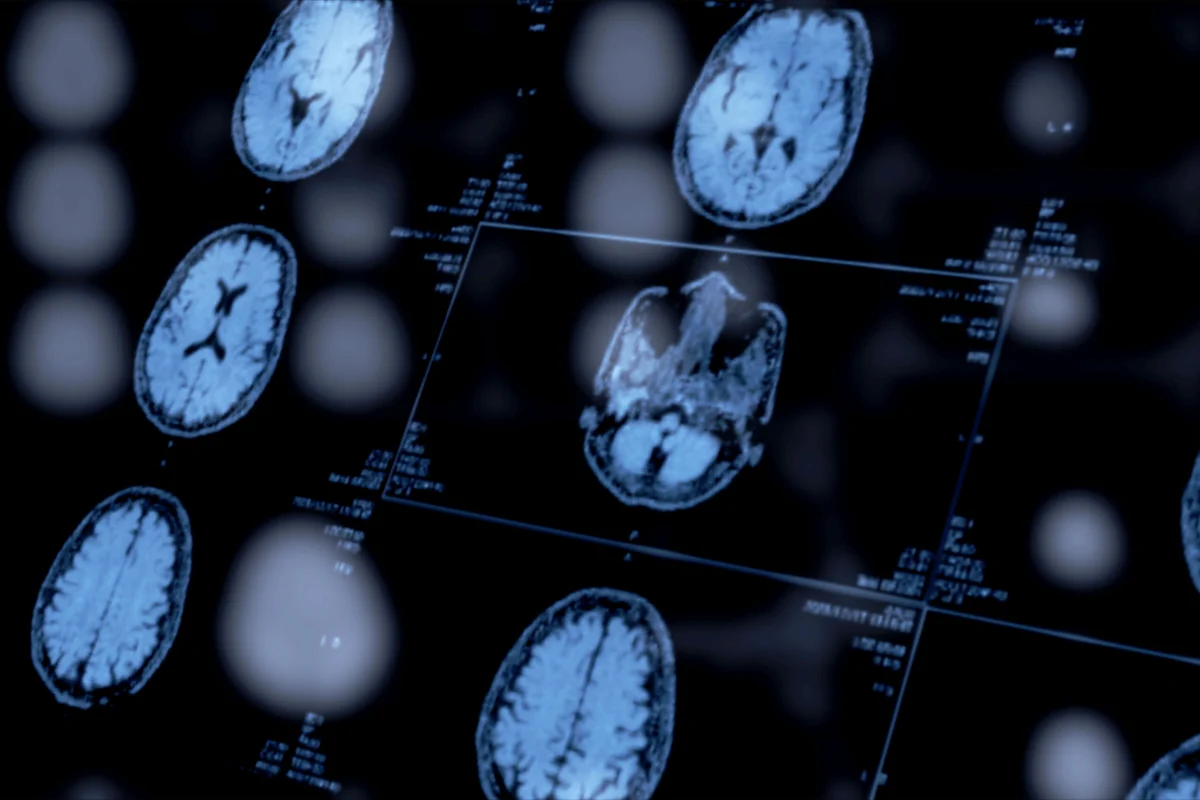
"The inclusion of biomarkers in future psychiatric diagnostic manuals signifies a critical acknowledgment that current approaches are insufficient, paving the way for more precise, personalized, and effective mental healthcare."
The landscape of mental health treatment is on the cusp of a profound transformation, moving beyond symptom-based diagnoses towards a more scientifically grounded approach. A landmark document from the American Psychiatric Association signals a pivotal shift, proposing the integration of biomarkers—objective biological indicators of disease—into the Diagnostic and Statistical Manual of Mental Disorders (DSM). This evolution, inspired by the success of biomarker-driven diagnostics in other medical fields like oncology, promises to enhance diagnostic accuracy, personalize treatment strategies, and potentially mitigate the trial-and-error nature that has long characterized psychiatric care. However, this promising future is tempered by the need for extensive research, robust validation, and careful consideration of cost, accessibility, and patient privacy.
Amanda Miller’s personal journey through severe postpartum depression and inexplicable health issues serves as a poignant illustration of the limitations of current psychiatric diagnostic practices. A neuroscientist by profession, Miller experienced two years of debilitating depression and physical ailments, during which she underwent extensive psychiatric evaluations and tried multiple antidepressant and antipsychotic medications with no success. Her turning point came when her primary care physician identified elevated levels of an autoimmune marker in her blood. Further investigation led to a diagnosis of lupus, an autoimmune disease characterized by inflammation. Treatment with a steroid to reduce inflammation yielded rapid improvement in her physical symptoms and, subsequently, a significant reduction in her depression. This experience led Miller to question whether chronic inflammation had been a contributing factor to her mental health struggles all along, a possibility her psychiatrists had never raised.
Miller’s case highlights a fundamental challenge in mental healthcare: unlike many other medical specialties where diagnoses are often confirmed through objective tests like blood work, imaging studies, or biopsies, psychiatric disorders have historically been diagnosed and treated based on observable symptoms and patient-reported experiences. This reliance on subjective reporting can lead to diagnostic delays, misdiagnoses, and ineffective treatment regimens. The American Psychiatric Association’s recent contemplation of incorporating biomarkers into future editions of the DSM, often referred to as "psychiatry’s bible," represents a significant departure from this tradition. The DSM is a cornerstone of psychiatric practice, providing standardized diagnostic criteria used by clinicians worldwide and by insurance companies to determine coverage for mental health services.
The integration of biomarkers into the DSM is not without its hurdles. The American Psychiatric Association’s January document emphasizes that psychiatric biomarkers are not yet ready for widespread clinical application. Decades of research have yielded limited validated biomarkers, underscoring the need for more rigorous studies to establish their reliability and validity for patient care. Beyond scientific validation, researchers and policymakers are grappling with potential implications for healthcare costs, insurance coverage, and patient privacy. Nevertheless, the potential benefits are substantial.
Jonathan Alpert, vice chair of the APA’s DSM Strategic Planning Committee and an author of the January document, described the inclusion of biomarkers as "a very important thing." He explained that access to objective test results, in conjunction with clinical symptoms, could streamline insurance coverage decisions and empower clinicians to make faster and more accurate diagnoses and treatment recommendations. This would allow for a more proactive approach, where a patient’s biological profile could predict their likely response to specific treatments, enabling physicians to initiate the most effective therapy from the outset, rather than relying on a protracted process of trial and error.
The current approach to prescribing psychiatric medications is often described as "somewhat uncertain," as Matthew Eisenberg, director of the Center for Mental Health and Addiction Policy Studies at Johns Hopkins Bloomberg School of Public Health, points out. This uncertainty stems from the difficulty in predicting individual patient responses to different medications. A foundational study from the early 2000s, funded by the National Institute of Mental Health (NIMH), indicated that only about 30% of individuals with depression saw their symptoms resolve with their first antidepressant treatment. While this study remains a robust benchmark, recent analyses suggest that the effectiveness of these medications may be even lower than previously understood. This trial-and-error approach can lead to prolonged periods of ineffective treatment, unnecessary suffering, and increased healthcare expenditures.
The criticism of this inefficient treatment model has also been voiced by proponents of various public health initiatives. Notably, Robert F. Kennedy Jr., a prominent figure in public health advocacy, has been vocal in his critique of antidepressants, at times linking them to acts of violence without definitive evidence and expressing concern over what he perceives as the overprescription of psychiatric medications to children. The Department of Health and Human Services (HHS) has acknowledged these concerns, stating that it is reviewing trends in psychiatric diagnoses and prescriptions and evaluating alternative mental health treatment approaches, with a particular focus on children.
The precedent for biomarker-driven treatment is already well-established in other areas of medicine. In oncology, biomarkers are routinely used to guide treatment decisions, helping to identify specific genetic mutations in tumors that make them susceptible to targeted therapies. Similarly, blood tests and imaging studies are integral to the diagnosis of conditions like Alzheimer’s disease. Several states, including Arizona, Georgia, Kentucky, and Texas, have mandated that insurance companies cover biomarker testing, reflecting a growing recognition of its value.
The APA’s document outlines various potential applications for psychiatric biomarkers in the future, including tests that measure brain activity, analyze genetic profiles, or detect immunological markers associated with specific psychiatric conditions such as schizophrenia and addiction. For instance, in depression, elevated levels of C-reactive protein (CRP), an inflammatory marker detectable through a blood test, have been observed in approximately a quarter of patients. Research suggests that individuals with high CRP levels may respond better to medications that modulate dopamine levels in the brain, as opposed to selective serotonin reuptake inhibitors (SSRIs), a common class of antidepressants. While CRP requires further robust validation as a biomarker, it represents one of the more promising avenues currently under investigation.
The path to validating and implementing these biomarkers requires a "coordinated and well-funded" research effort, as highlighted by the APA. However, the landscape of research funding has become increasingly uncertain. The Trump administration’s budget proposals included significant cuts to federal research funding, impacting agencies like the NIMH. While some grants have since been reinstated, researchers remain concerned about future funding stability. Alpert underscored the "critical need for continued and active funding for mental health research," emphasizing that scientists will have to navigate an "uncertain funding landscape."
The financial implications of integrating biomarkers into mental healthcare are multifaceted. While poorly managed mental illnesses are associated with higher healthcare costs due to hospitalizations, outpatient visits, and medication expenses, biomarker testing has the potential to reduce these costs in the long run by facilitating quicker identification of effective treatments and avoiding ineffective ones. Modeling studies in Canada have estimated significant cost savings for the healthcare system over two decades by using genetic tests to guide antidepressant selection in patients with major depression. A Spanish study also found that such tests reduced costs for individuals with severe mental illness.
However, in the short term, Eisenberg cautions that a biomarker-driven approach could initially increase healthcare spending due to the cost of the tests themselves. He also noted that insurance companies may be reluctant to cover expensive biomarker tests, as it often takes considerable time for new scientific evidence to be deemed safe and effective, and for insurers to adapt their coverage policies.
Beyond cost and coverage, concerns about discrimination based on biological predispositions have been raised. Researchers have voiced worries that insurers or employers might discriminate against individuals whose biological profiles suggest a higher risk of developing serious neuropsychiatric conditions. Gabriel Lázaro-Muñoz, a fellow at Harvard Medical School’s Center for Bioethics, stressed the importance of considering legislative measures to protect patients and educate clinicians on the appropriate use of these emerging tools, stating, "I don’t think the field of psychiatry is ready to handle this right now."
Despite these challenges, the integration of biomarkers into the DSM marks a significant step forward. Andrew Miller, a professor of psychiatry and behavioral sciences at Emory University School of Medicine who studies inflammation-related depression, acknowledges that the mental healthcare system may not be fully prepared for this transition. However, he views the APA’s adoption of biomarkers as "the beginning of a revolution," signifying an acknowledgment that current practices are insufficient and that significant improvements are possible. This evolving paradigm holds the promise of a future where mental health diagnoses are more precise, treatments are more personalized, and individuals receive the care they need more effectively and efficiently.