
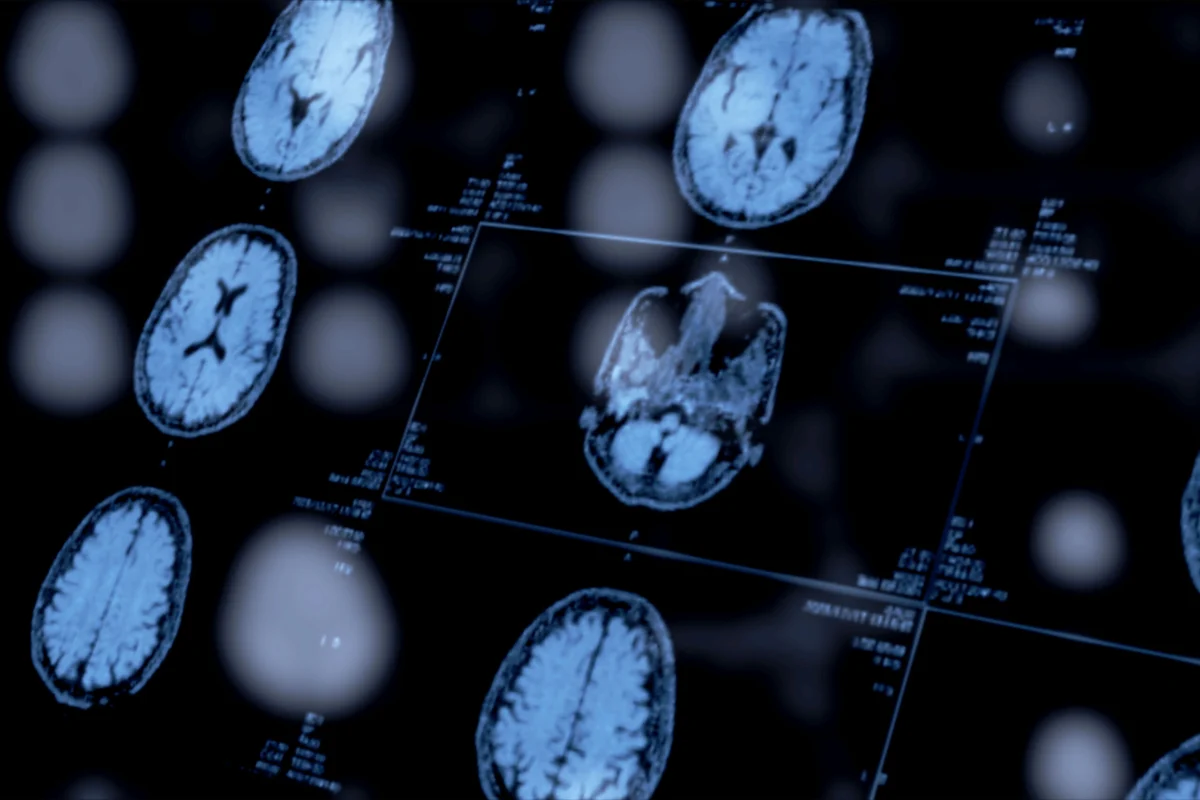
"The integration of biological markers into mental health diagnostics promises a future where treatment is more precise, effective, and less reliant on trial-and-error, potentially revolutionizing patient care and outcomes."
The landscape of mental healthcare may be on the cusp of a profound transformation, moving beyond symptom-based assessments to incorporate objective biological indicators. The American Psychiatric Association’s exploration of integrating biomarkers into the Diagnostic and Statistical Manual of Mental Disorders (DSM) signals a potential revolution, offering the prospect of more accurate diagnoses, personalized treatment plans, and a deeper understanding of the biological underpinnings of mental illness. This shift, however, is accompanied by significant challenges, including the need for extensive research, careful consideration of healthcare costs and insurance coverage, and robust ethical frameworks to protect patient privacy and prevent discrimination.
Amanda Miller’s experience serves as a compelling, albeit anecdotal, illustration of the potential benefits of this evolving approach. At 30, pregnant with her second child in Hershey, Pennsylvania, Miller developed depression that worsened after childbirth, accompanied by a host of unexplained physical ailments. Despite consulting multiple psychiatrists and trying a regimen of four antidepressants and two antipsychotics over two years, her condition remained unyielding. The breakthrough came not from psychiatric interventions, but from her primary care physician who detected elevated autoimmune markers in her blood. A comprehensive battery of tests revealed she had lupus, an autoimmune disease. Treatment with an inflammation-lowering steroid yielded rapid improvement, with some symptoms subsiding within hours and her depression eventually receding. Miller reflects on this experience, questioning if inflammation had been a contributing factor to her mental health struggles all along, a possibility her psychiatrists had not explored.
This personal narrative underscores a fundamental challenge in current mental healthcare: the historical reliance on outward symptoms for diagnosis and treatment, a stark contrast to the objective diagnostic tools prevalent in other medical specialties. Unlike in fields like oncology or cardiology, where blood tests, imaging, and biopsies provide concrete evidence, mental illnesses have predominantly been understood and managed through observable behaviors and reported feelings. The American Psychiatric Association (APA) has acknowledged this limitation, and in a January paper, outlined potential pathways for incorporating biomarkers—measurable biological indicators of disease—into future iterations of its influential Diagnostic and Statistical Manual of Mental Disorders (DSM). The DSM, often referred to as "psychiatry’s bible," provides the standardized criteria for diagnosing mental disorders and significantly influences clinical practice, insurance coverage decisions, and research directions.
Despite the promising potential, the integration of psychiatric biomarkers into clinical practice is not imminent. The APA’s paper emphasizes that these markers are not yet ready for widespread adoption. Decades of research have yielded limited validated tools, and significant work remains to establish their reliability and accuracy for patient care. Furthermore, broader implementation raises critical questions regarding the potential impact on healthcare costs, insurance reimbursement policies, and the privacy of patient genetic and biological data.
Jonathan Alpert, an author of the APA’s January paper and vice chair of its Future DSM Strategic Committee, describes the incorporation of biomarkers as "a very big deal." He posits that access to objective biological data, in conjunction with patient-reported symptoms, could streamline insurance coverage decisions and empower clinicians to make faster, more precise diagnoses and treatment recommendations. For instance, if a patient’s biological profile suggests a higher likelihood of responding to a specific class of medication, clinicians could initiate that treatment without delay, bypassing the often lengthy and frustrating trial-and-error process.
The current approach to psychotropic medication prescription is often described as "a bit of a crapshoot," according to Matthew Eisenberg, director of the Center for Mental Health and Addiction Policy at the Johns Hopkins University Bloomberg School of Public Health. He points to a seminal early 2000s trial funded by the National Institute of Mental Health, which found that only about 30% of participants with depression experienced symptom remission with their first antidepressant. While this study remains a benchmark, subsequent research has suggested that the efficacy rates might be even lower, leading to ineffective treatments, unnecessary prescriptions, and significant patient distress. This issue has become a focal point for criticism from various health advocacy groups, including those associated with the Make America Healthy Again movement, which has voiced particular concern over the overprescription of antidepressants, especially in children, and has sought to link these medications to violent incidents without definitive evidence. A spokesperson for the Department of Health and Human Services (HHS) confirmed that the department is actively analyzing psychiatric diagnosis and prescription trends and evaluating alternative mental health treatment approaches, with a focus on pediatric care.
Biomarker testing is already a cornerstone of treatment guidance in other medical fields, notably in oncology, where it helps tailor therapies to specific tumor genetic profiles. Several states, including Arizona, Georgia, Kentucky, and Texas, have mandated insurance coverage for such testing, and advancements in diagnostic technology have enabled the use of blood and imaging tests to aid in the diagnosis of conditions like Alzheimer’s disease. The APA’s paper envisions a similar future for psychiatry, suggesting the use of biomarkers such as brain activity patterns, genetic profiles, or specific immune markers associated with conditions like schizophrenia and substance use disorders.
For depression, a promising example is the elevated levels of C-reactive protein (CRP), an inflammatory marker detectable through a blood test. Research indicates that individuals with high CRP levels may respond more favorably to treatments that modulate dopamine pathways compared to those solely relying on selective serotonin reuptake inhibitors (SSRIs). While CRP requires further "robust validation" as a diagnostic biomarker, it represents one of the most advanced areas of investigation.
Achieving such validation necessitates a "coordinated, well-funded" research effort, according to the APA. However, this prospect is complicated by recent trends in federal research funding. A research letter published in JAMA highlighted the significant cancellation of grants by the Trump administration, impacting numerous projects and raising concerns among researchers about the vulnerability of their work to future funding cuts. Alpert stresses the critical need for sustained investment in mental health research, acknowledging the inherent uncertainties within the current funding landscape.
The potential ripple effects of biomarker integration on healthcare costs and insurance coverage are complex. Patients with poorly managed mental illnesses often incur higher healthcare expenses due to hospitalizations, outpatient visits, and medication costs. Proponents argue that biomarker testing could lead to cost savings by facilitating faster access to effective treatments, thereby reducing the burden of long-term, ineffective care. Modeling studies in Canada, for instance, have projected substantial cost savings for the healthcare system by using genetic testing to guide antidepressant selection for adults with major depression. Similarly, a study in Spain found that biomarker testing reduced costs for a majority of participants with serious mental illness.
However, in the short term, the implementation of biomarker testing could lead to increased healthcare spending in the U.S. due to the initial cost of these advanced diagnostic procedures. Insurers may be hesitant to cover these tests, as it often takes considerable time for new scientific advancements to be rigorously proven safe and effective, and for reimbursement policies to adapt. Furthermore, concerns persist about the potential for discrimination. Researchers have raised alarms that insurers or employers could misuse biological information, potentially leading to discrimination against individuals identified as being at higher risk for developing certain neuropsychiatric conditions.
Gabriel Lázaro-Muñoz, a member of Harvard Medical School’s Center for Bioethics, emphasizes the need for proactive legislative measures and comprehensive clinician training to ensure the responsible and ethical use of these emerging diagnostic tools. He suggests that the psychiatric field is not yet fully equipped to manage the implications of widespread biomarker integration. Andrew Miller, a professor of psychiatry and behavioral sciences at Emory University School of Medicine who specializes in inflammation-related depression, concurs that the mental health system is not ready to "jump in with both feet." However, he views the APA’s embrace of biomarkers as the "beginning of a revolution," signifying a critical acknowledgment that current approaches are insufficient and that a path toward better mental healthcare is attainable. This evolving paradigm holds the promise of a more precise, personalized, and ultimately more effective approach to mental well-being.