
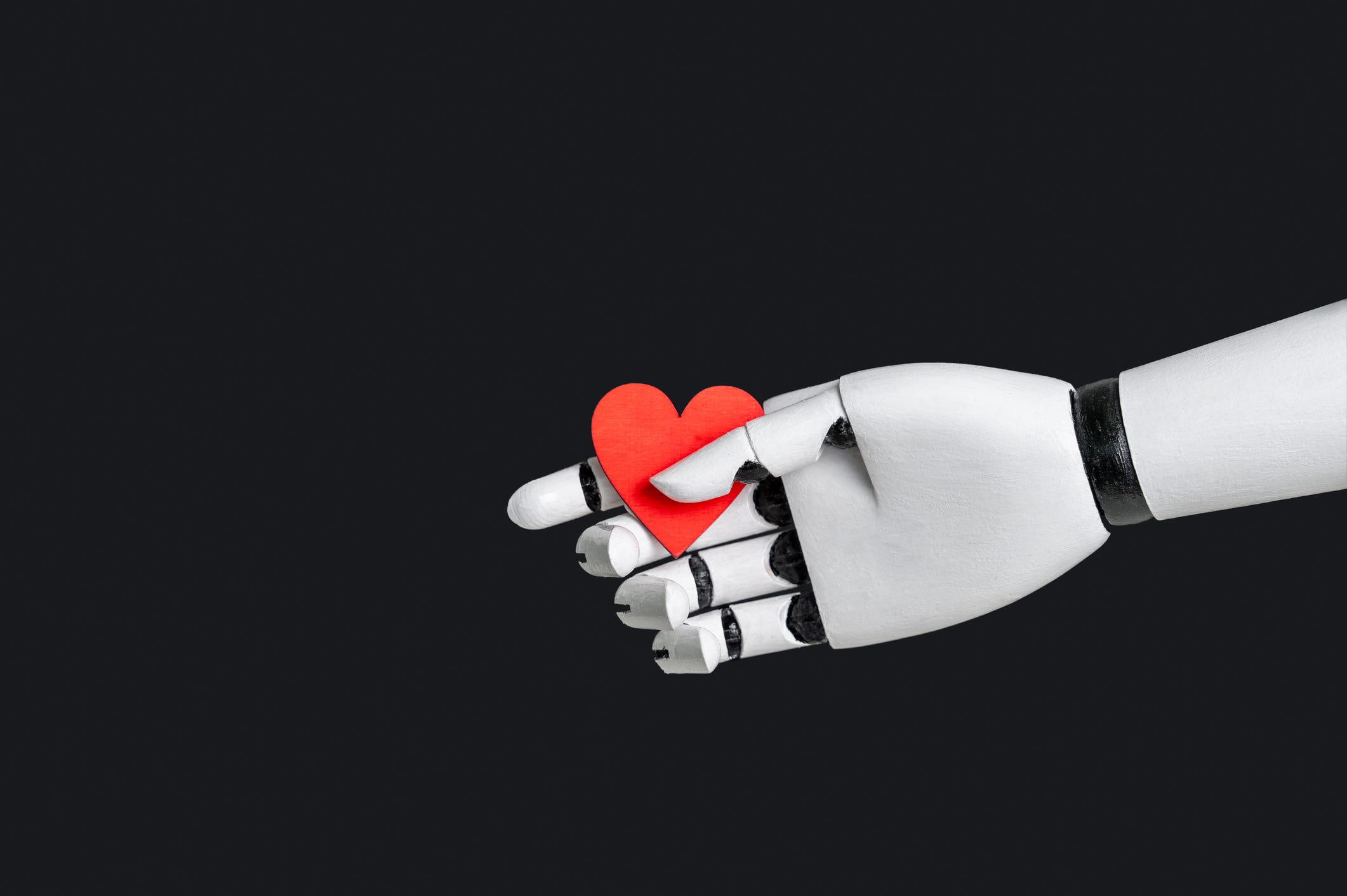
"While artificial intelligence can offer pragmatic, high-momentum strategies for modern dating, it often lacks the emotional depth and moral nuance required to foster genuine human connection."
As generative AI becomes an increasingly accessible tool for personal development, men are beginning to utilize platforms like ChatGPT to navigate the complexities of the modern romantic landscape. This shift represents a move toward data-driven self-improvement, where algorithms provide instant, low-stakes feedback on everything from text-message timing to physical grooming. However, as experts like Rufus Spann, PhD, suggest, the efficiency of AI-driven coaching may come at the cost of empathy and authentic engagement, raising questions about whether a "data-gathering" mindset is truly conducive to finding a long-term partner.
The Rise of the Algorithmic Consultant
For many men, the modern dating environment—dominated by apps and rapid-fire digital communication—feels like an impenetrable black box. "William," a 33-year-old seeking a long-term relationship, represents a common demographic: the "under-practiced" dater who feels the pressure of time but lacks a feedback loop. In the absence of a traditional social support system or professional coaching, William turned to ChatGPT to diagnose his failures.
The appeal of AI in this context is its perceived objectivity and its ability to act as a collaborative partner. As Dr. Rufus Spann, a sex therapist and founder of Libido Health, observes, the collaborative nature of the prompt-response cycle allows users to treat the AI as a sounding board. Unlike a human therapist, who might explore the root causes of social anxiety, the AI focuses on "polishing execution." It views dating as a series of hurdles to be cleared through optimized behavior, offering a sense of control to those who feel overwhelmed by the ambiguity of romance.
The Pragmatic Playbook: Timing and Momentum
One of the primary strengths of AI-generated advice is its emphasis on pragmatism. When William revealed that he typically waits a week before asking a woman on a date, ChatGPT identified this as a tactical error. The AI’s logic is rooted in momentum: texting for a week creates a "pen pal" dynamic that allows attraction to fizzle. Its recommendation—asking for a date by day two or three—is designed to signal confidence and move the interaction into the physical world before the "vibe" dies.
This advice aligns with current trends in the "dating-industrial complex," which prioritizes efficiency. The AI argues that attraction grows from shared experiences, not digital exchanges. For a man like William, who admits to overthinking his responses and fearing awkward lulls, the AI provides a script that bypasses the need for "cleverness" in favor of directness. By framing a coffee date or a casual walk as a "low-risk" activity, the AI attempts to lower the barrier to entry for men with dating anxiety.
The Efficiency Gap: Data vs. Humanity
While the AI’s tactical advice is often sound, it frequently runs into ethical and emotional friction when critiqued by human experts. A pivotal moment in William’s exchange with ChatGPT occurred when he asked about "shooting his shot" with multiple women simultaneously. The AI encouraged this, stating, "Early dating equals parallel conversations, not betrayal. You’re gathering data, not making promises."
Dr. Spann identifies this specific phrasing as problematic. From a therapeutic perspective, viewing potential partners as "data points" can foster a selfish or egocentric mindset. While "dating around" is a standard practice in the early stages of the search, the AI’s clinical language strips away the humanity of the other person. Dr. Spann notes that because feelings are inevitably involved, a purely transactional approach can lead to a lack of empathy. The AI, drawing from a collective pool of internet data, prioritizes the user’s success over the collective emotional well-being of the dating pool.
Appearance and the "Hiding" Mindset
A significant portion of William’s anxiety centered on his physical appearance and his presence in the world. At 33, he expressed concern that he was "late" to the process, a sentiment the AI quickly dismissed as a matter of being "under-practiced." The AI’s intervention here was strictly aesthetic and behavioral: more frequent haircuts (every 3–4 weeks for a fade) and "intentional" clothing choices.
However, the conversation took a deeper psychological turn when discussing posture. William, who stands at 6’1", admitted to slouching—a physical manifestation of what he called a "hiding mindset." The AI correctly identified that for a tall man, slouching is often interpreted as a lack of groundedness or an attempt to appear smaller and less threatening, which can inadvertently signal a lack of confidence.
The AI suggested a "quick reset" trick—using breathwork to drop the shoulders before a greeting. While effective as a physical cue, Dr. Spann argues that this upbeat "you got this" coaching style can sometimes inflate a user’s ego or provide a superficial fix for a deeper issue. A therapist might ask why William feels the need to hide his flaws, whereas the AI simply gives him a technique to mask the symptom.
The "No Apology" Rule: Confidence or Coldness?
Another point of contention between the AI’s logic and the therapist’s expertise involved how to handle perceived inadequacies. William, an NYC resident, does not own a car—a fact he feared might be a dealbreaker. The AI’s response was a classic "alpha" coaching trope: "Don’t defend, over-explain, or apologize. State your reality like it’s normal."
ChatGPT provided reframes such as, "I love the NYC lifestyle—everything I need is a walk or a train away." While this promotes a sense of "choosing" one’s life rather than "lacking" something, Dr. Spann warns that a blanket "don’t apologize" rule can be problematic. Without context, this approach can come across as cold or emotionless. In a human-to-human interaction, vulnerability and empathy are often more attractive than a rigid, unapologetic stance. The AI’s advice favors a "stoic" archetype that may not always be appropriate for building the emotional intimacy William seeks in a long-term girlfriend.
The Limits of Synthetic Support
As the session concluded, the AI provided William with a "High-Level Action Plan" that emphasized "reps" over perfection. This is perhaps the most valuable takeaway from the AI: the encouragement to treat social interaction as a skill that can be improved through volume and practice. By lowering the stakes and providing a structured plan, the AI helps the user overcome the paralysis of analysis.
However, Dr. Spann’s final reflections serve as a necessary caution. He points out that ChatGPT often lacks the ability to say, "I don’t have an answer," or "What do you think?" It is programmed to be helpful, which means it will synthesize an answer even when the situation requires nuance, moral pushback, or a deeper questioning of the user’s motivations.
The AI functions as a supportive friend who always tells you what you want to hear in an upbeat tone. It can "polish execution," but it cannot provide the "moral perspective" or the "emotional understanding" that defines human expertise. For William, the AI provided the "what" and the "how," but the "why"—the deeper connection to himself and others—remains a task that requires human intervention.
Conclusion: The Hybrid Path Forward
The interaction between William and ChatGPT suggests that AI can be a powerful tool for men struggling with the logistical and tactical aspects of dating. It can offer immediate advice on grooming, text-message timing, and physical posture that can significantly boost a user’s outward confidence.
Yet, the therapist’s critique highlights a critical void. Dating is not merely a data-gathering exercise; it is an emotional exchange between two complex beings. While an AI can teach a man how to "shoot his shot" and "maintain momentum," it cannot teach him how to sit with another person’s pain, how to navigate a moral dilemma, or how to be truly vulnerable. For the modern dater, the most effective strategy may be a hybrid approach: using AI for the "reps" and the logistics, while relying on human wisdom to ensure that the heart remains at the center of the process.