

“The same things I was high-fived for thousands of times — suddenly that was bad.” Dr. Elyse Stevens found her compassionate, harm-reduction approach to treating addiction and complex medical needs met with scrutiny, leading to her departure from University Medical Center New Orleans and sparking a debate about the future of patient-centered care.
Dr. Elyse Stevens built a reputation in New Orleans for her unwavering dedication to patients often overlooked by the medical establishment. Her practice centered on those battling decades of addiction, individuals managing chronic pain on high doses of opioids, and vulnerable populations such as sex workers and the homeless. Stevens’ philosophy was clear: many patients grappling with addiction are in a state of flux, unsure of their path forward. Instead of shying away from these complex cases, she actively sought them out, immersing herself in the community through early morning breakfasts for the homeless, Saturday volunteer work at a shelter clinic, and evening outreach to individuals who use drugs. This deep engagement allowed her to forge connections and build trust, demonstrating a commitment that transcended the traditional doctor-patient relationship.
One poignant example of Stevens’ impact is her work with Charmyra Harrell. Four years prior, Harrell arrived at a street outreach event limping, her leg afflicted with swollen, ulcerated sores. Repeatedly dismissed by emergency room physicians, she sought solace in street drugs to manage her pain. Stevens dedicated months to cleaning Harrell’s wounds on Monday evenings, patiently coaxing her towards formal medical care at University Medical Center New Orleans. It was there that Stevens diagnosed Harrell with diabetes and cancer. Crucially, Stevens was willing to prescribe pain medication, a decision many doctors might hesitate to make for a patient with a history of addiction, fearing misuse. However, Stevens trusted Harrell, setting clear boundaries: "You cannot do drugs and do your pain meds." This trust was reciprocated; Harrell stated, "I’m no longer on cocaine."

Stevens’ innovative and compassionate approach garnered her numerous awards and nominations in medicine, community service, and humanism. She measured patient progress not in binary terms of abstinence or relapse, but on a spectrum of improvement. Success, in her view, was evident in daily routines like showering, engaging with family, or reducing fentanyl use from one day to the next. This patient-centered philosophy, however, did not sit well with everyone, and by the summer of 2024, this divergence in care philosophies culminated in significant professional challenges for Stevens.
The landscape of addiction treatment is fraught with obstacles. National data indicates that over 80% of Americans requiring substance use treatment do not receive it, citing barriers such as prohibitive costs, transportation difficulties, inconvenient clinic hours, and the fear of mistreatment. The COVID-19 pandemic inadvertently accelerated a shift towards more flexible care models, including telehealth, reduced urine drug testing, and extended medication refills. Brian Hurley, immediate past president of the American Society of Addiction Medicine (ASAM), notes that these adaptations proved beneficial, allowing healthcare providers to reach more individuals. ASAM advocates for the continuation of such flexible practices, including prescribing higher doses of addiction medications to manage withdrawal symptoms and prioritizing recovery goals beyond strict abstinence.
However, a counter-argument exists within the medical community, favoring more traditional approaches that emphasize zero tolerance for illicit drug use and strict adherence to prescribed regimens. Proponents of this stricter model argue that loosening restrictions could lead to a "slippery slope," potentially normalizing drug use and hindering the ultimate goal of sobriety. They express concern that continued opioid prescription for individuals using illicit substances could inadvertently exacerbate the crisis that the medical field has been striving to combat. Keith Humphreys, a Stanford psychologist with extensive experience in addiction research, believes that while offering drugs may keep patients engaged, it doesn’t necessarily promote long-term health. He advocates for a more rigorous approach, even supporting involuntary treatment in certain circumstances, emphasizing that simply providing substances patients enjoy doesn’t equate to promoting their overall well-being.
Furthermore, flexible treatment approaches often align with harm reduction strategies, a methodology that has become a point of contention. Advocates of harm reduction argue that it prioritizes the safety and well-being of individuals who use drugs, while critics, including some political administrations, contend that it enables illicit drug use. This philosophical divide has direct implications for patient care, as demonstrated by the situation unfolding in New Orleans.
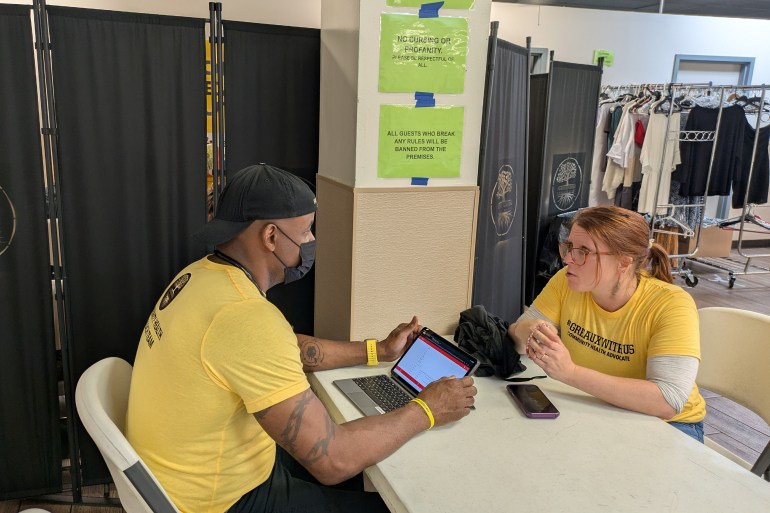
In the summer of 2024, Stevens’ supervisors at University Medical Center began to question her prescribing practices. Internal emails revealed concerns about her prescribing a combination of opioids and other controlled substances, along with high doses of buprenorphine—a medication widely recognized as a gold standard for treating opioid addiction. Supervisors also expressed apprehension regarding her perceived insufficient use of urine drug tests and her continued treatment of patients who used illicit drugs, rather than referring them to more intensive care settings. Benjamin Springgate, then chief medical officer and now a supervisor to Stevens, noted that her prescribing pattern deviated significantly from the local standard of care, raising potential legal concerns. Springgate encouraged Stevens to increase referrals to methadone clinics, intensive outpatient programs, and inpatient rehabilitation.
Stevens, however, found these recommendations challenging to implement given the realities her patients faced. She questioned the feasibility of a homeless individual living in a tent daily trekking to a methadone clinic, especially given the risk of losing their belongings. In response to her supervisors, Stevens provided extensive research and national treatment guidelines supporting her flexible approach. She argued that discontinuing her patients’ medications would not make them disappear but would likely lead them to abandon the healthcare system, potentially with fatal consequences.
University Medical Center and LSU Health New Orleans, the academic institution that employs physicians at the hospital, declined repeated requests for interviews and detailed questions regarding addiction treatment and Stevens’ practices. They issued a joint statement from Richard DiCarlo, dean of LSU Health New Orleans School of Medicine, and Jeffrey Elder, chief medical officer of University Medical Center New Orleans, stating they could not comment on internal personnel matters. They acknowledged addiction as a significant public health issue and a challenge for healthcare, reaffirming their commitment to expanding treatment access while maintaining high standards of care and patient safety.
To gain an independent perspective, KFF Health News shared the complaints against Stevens and her responses with two addiction medicine physicians outside of Louisiana. Both concluded that her practices were within the acceptable range for treating complex patients with addiction. Stephen Loyd, an addiction medicine doctor and president of Tennessee’s medical licensing board, distinguished Stevens’ detailed patient notes, which documented life circumstances and collaborative decision-making, from those of physicians operating "pill mills," who typically have sparse documentation focused solely on pain complaints. Cara Poland, an addiction medicine doctor and associate professor at Michigan State University, emphasized that the debate over opioid prescribing is not as black and white as often perceived, acknowledging that some patients, particularly those with cancer pain or requiring gradual dose reduction, may indeed need these medications.
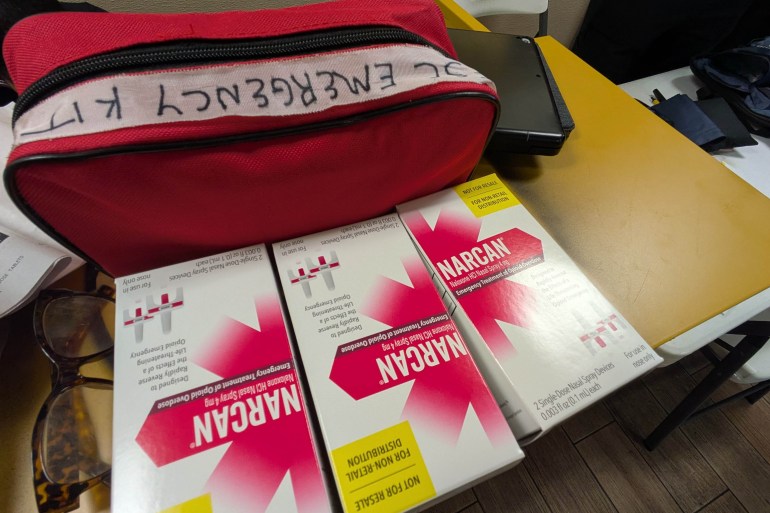
Conversely, Keith Humphreys maintained his stance, highlighting the risks associated with long-term painkiller prescriptions, especially in the current era of highly lethal street drugs. He cautioned that repeating past mistakes of overprescribing could reignite the opioid crisis.
The tension between Stevens and her supervisors escalated in March 2024 when she was instructed to cease coming to work pending a review of her practices. Overnight, hundreds of her patients were reassigned to other providers. Luka Bair, one of Stevens’ patients who had been stable on daily buprenorphine for three years, experienced severe withdrawal symptoms after a three-day medication gap. Although Bair eventually secured a refill, their supervisor, Benjamin Springgate, proposed a transition to more intensive residential programs, citing Bair’s intermittent use of other substances as indicative of a need for a higher level of care. Bair, who works full-time, found these requirements incompatible with their employment and was left with a 30-day deadline to find a new provider. Bair expressed that such disruptions in care are precisely what lead to fatal outcomes.
Approximately a month after Stevens was placed on leave, Haley Beavers Khoury, a medical student who had worked with Stevens, gathered nearly 100 letters of support from students, physicians, patients, and homelessness service providers, all advocating for Stevens’ return. These letters underscored the critical role Stevens played in her patients’ lives, with one student writing, "Make no mistake — some of her patients will die without her." Despite these pleas, the hospital’s review committee determined in May that Stevens’ practices fell outside community standards and constituted "reckless behavior." The hospital did not provide details on how this conclusion was reached or whether any patient harm had been identified.
The scrutiny extended to Stevens’ professional future. While she secured a position at another New Orleans hospital, University Medical Center reported her resignation amid an ongoing investigation to the state’s medical licensing board. This action initiated a separate investigation, ultimately costing Stevens the new job offer. In her defense before the medical board, Stevens reiterated her arguments, emphasizing the support for flexible, patient-centered care from national addiction organizations and presenting an extensive bibliography to substantiate her approach.

The Louisiana State Board of Medical Examiners’ investigation into Stevens remains ongoing, with no disciplinary actions noted on her license as of late December. The board declined to comment on Stevens’ case or its specific definitions of appropriate addiction treatment.
In October, Stevens relocated to the U.S. Virgin Islands, accepting a position in internal medicine. While she expressed gratitude for the local community and financial stability, the well-being of her former patients in New Orleans weighs heavily on her. Before her departure, she carefully packed away handwritten letters from patients, some spanning numerous pages, detailing their struggles and triumphs during their treatment with her. The fate of these patients after her departure remains unknown. Stevens posits that the intense scrutiny of her practices is driven more by concerns over liability than by actual patient safety, asserting that "liability is in abandoning people too."