
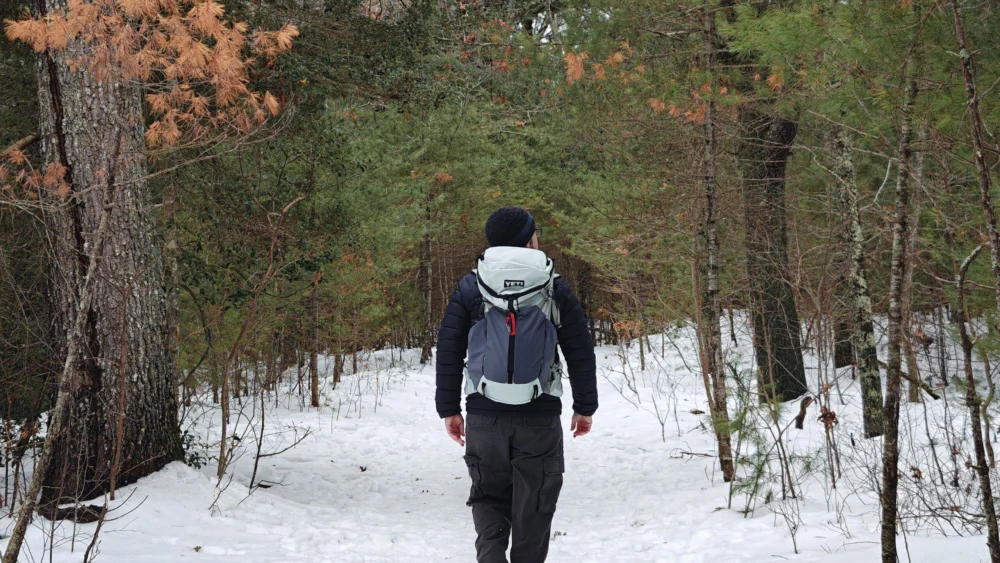
"The Yeti Skala represents a masterclass in over-engineering, merging Mystery Ranch’s tactical heritage with Yeti’s uncompromising durability to create a pack that prioritizes long-term reliability over minimalist weight savings."
The 2024 acquisition of Mystery Ranch by Yeti marked a pivotal shift in the outdoor gear industry, signaling Yeti’s intent to dominate the technical soft goods market just as it has with premium coolers and drinkware. The Skala series is the first major fruit of this union, integrating decades of specialized load-carriage expertise with a brand identity centered on "indestructible" construction. By targeting the intersection of high-end hiking and rugged adventure travel, Yeti is challenging the traditional ultralight movement, proposing instead that the ultimate value lies in a product’s ability to survive the harshest environments without failure.
The Evolution of a Brand: From Coolers to Technical Carry
For over a decade, Yeti has been synonymous with overbuilt outdoor equipment. What began as a mission to create a cooler that could withstand a grizzly bear attack has expanded into a lifestyle ecosystem. However, entering the technical backpack market—a space long dominated by legacy players like Osprey, Gregory, and Arc’teryx—requires more than just brand recognition; it requires specialized suspension and ergonomic engineering.

The acquisition of Mystery Ranch provided Yeti with an immediate infusion of "cult-favorite" design philosophy. Known for supplying elite military units and wildland firefighters, Mystery Ranch brought the "RipZip" opening and the AlumaLite frame to the table. The resulting Skala series is not merely a branded accessory but a sophisticated piece of mountain equipment designed for users who value stability and gear protection above all else.
The Skala Series: Technical Specifications and Architecture
The Skala is launched as a comprehensive family of packs, catering to everything from aggressive day hikes to multi-day backcountry expeditions. The lineup includes:
- 32L and 40L: Designed for day-long summits or minimalist overnights.
- 50L and 60L: Targeted at multi-day trekkers requiring significant gear hauling capabilities.
The weight profile of the Skala immediately distinguishes it from the "fast and light" category. The 32-liter version enters the field at 3.3 pounds, while the 60-liter version weighs in at 4.6 pounds. In an era where many manufacturers are stripping away features to hit sub-two-pound targets, Yeti has leaned into "beefy" materials. The chassis is built around the AlumaLite frame, a carry-over from Mystery Ranch’s high-end designs, which provides a rigid internal structure that prevents the pack from sagging or barreling under heavy loads.
The exterior is wrapped in Guardcore Nylon, a proprietary heavy-duty textile designed to resist abrasions from granite, thorns, and baggage carousels alike. This is complemented by large-gauge YKK Aquaguard zippers, which provide a high level of water resistance, ensuring that the contents remain dry during New England "snow-bombs" or sudden alpine squalls.

Engineering Comfort: The Mystery Ranch DNA
The most significant contribution from the Mystery Ranch partnership is found in the Skala’s suspension system. Comfort in a backpack is determined by how effectively weight is transferred from the shoulders to the hips, and the Skala excels in this regard through three specific features:
- The Micro-Adjustable Harness: Unlike many packs that offer only fixed sizes, the Skala allows users to dial in the torso length with precision. This ensures that the contoured shoulder straps and load lifters sit exactly where they need to for optimal weight distribution.
- Wide Padded Hip Belt: The hip belt is notably thicker than those found on standard daypacks. It is designed to "hug" the iliac crest, allowing the AlumaLite frame to deposit the weight of the pack onto the user’s skeletal structure rather than their musculature.
- The RipZip Opening: Perhaps the most iconic feature is the Y-shaped 3-Zip (or RipZip) design. This allows the user to pull a single tab to gain instant, top-to-bottom access to the main compartment. It solves the perennial problem of the "top-loading black hole," where essential items like first aid kits or layers are buried at the bottom of the bag.
Performance in the Field: Stability Over Speed
Field testing in the rugged, snow-covered terrain of New England reveals the Skala’s true character. While a 3.3-pound base weight might deter those who count every gram, the trade-off is felt in the carry quality. When loaded with over 25 pounds—including photography tripods, hydration reservoirs, and winter safety gear—the Skala remains remarkably stable.
On uneven, icy trails, a pack that shifts can lead to a loss of balance. The Skala’s load lifters and compression straps allow the pack to be cinched tight against the spine, creating a slim profile that moves with the body rather than against it. The interior organization is streamlined but effective, featuring a 3L hydration reservoir pouch and a top lid pocket for quick-access items. Exterior "kangaroo" pockets and zippered hip pouches provide ample space for snacks, GPS units, or gloves, making it a highly functional tool for technical environments.
The "Buy Once, Cry Once" Philosophy
With a starting price of approximately $300, the Skala is positioned at the premium end of the market. This pricing reflects Yeti’s "buy once, cry once" ethos—the idea that a higher upfront investment is justified by a product that will never need to be replaced.

The durability of the Guardcore Nylon and the heavy-duty zippers suggest a lifespan that far exceeds the industry standard. However, there are minor omissions that users at this price point might notice. Most notably, the Skala does not include a dedicated rain cover. While the materials are highly weather-resistant, a secondary layer of protection is often preferred by hikers in high-precipitation zones. Despite this, the three-year limited warranty and the over-engineered construction provide a level of "life-proof" insurance that few competitors can match.
Market Implications and Conclusion
The Skala is a clear indication that Yeti is no longer content being a "cooler company." By successfully integrating Mystery Ranch’s engineering with Yeti’s brand of ruggedness, they have created a product that feels both familiar and revolutionary. It is a "near-perfect marriage" of two design philosophies: one focused on the tactical science of carrying weight, and the other on the aesthetic and material science of durability.
For the hardcore minimalist, the Skala may be too much bag. But for the adventurer who demands a pack that can survive a decade of abuse, handle heavy loads with ease, and provide instant access to gear in a blizzard, the Skala is a formidable new entry. It honors the legacy of Mystery Ranch while cementing Yeti’s place in the world of high-performance adventure gear. As the partnership matures, the industry can expect further innovations that continue to blur the lines between tactical utility and outdoor luxury.