
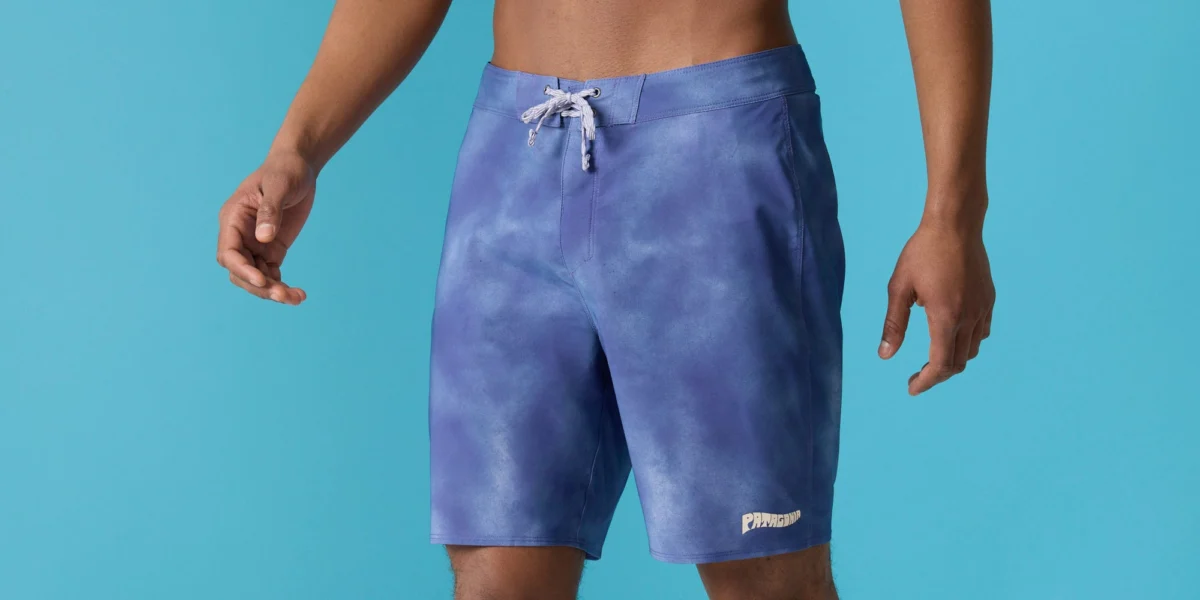
"The modern swim trunk has transcended the pool deck, evolving into a high-performance hybrid garment that balances technical moisture-wicking capabilities with the tailored aesthetics of contemporary menswear."

This shift in apparel design reflects a growing consumer demand for "one-and-done" wardrobe staples that transition seamlessly from high-intensity physical activity to sophisticated social environments. By integrating advanced recycled synthetics, ergonomic liner technologies, and tailored silhouettes, today’s leading apparel brands are successfully eliminating the traditional discomforts of swimwear—such as chafing and slow drying times—while expanding the garment’s utility across the realms of fitness, travel, and leisure.
The Rise of the Hybrid Aesthetic
For decades, men’s swimwear was divided into two distinct and often flawed categories: the oversized, water-heavy boardshort favored by surf culture and the brief, often uncomfortable mesh-lined trunk found in department stores. However, a new era of "hybrid" shorts has emerged, driven by brands that prioritize fabric innovation and "bar-to-beach" versatility. The modern consumer no longer seeks a garment exclusively for the water; they require a short that performs during a morning boardwalk run, remains comfortable through a midday swim, and appears sufficiently polished for a resort dinner.

At the forefront of this movement is Fair Harbor, a brand that has gained significant traction by addressing the primary complaint of traditional swimwear: the scratchy mesh liner. Their Bayberry Trunk utilizes a proprietary "BreezeKnit" liner, which mimics the supportive feel of high-quality boxer briefs rather than the abrasive netting of the past. Constructed from a blend of 80% recycled polyester, 12% cotton, and 8% spandex, the Bayberry achieves a "broken-in" feel immediately upon wear. This specific material composition allows the garment to avoid the stiff, synthetic "swish" common in lower-end trunks, providing a matte finish that passes easily for a standard casual short.
Performance Engineering: From the Gym to the Ocean
As the boundaries between athleisure and swimwear continue to blur, performance-driven brands like Rhone and Lululemon have applied their expertise in kinetic movement to the water. The Rhone R&R Trunk, for instance, is engineered for the active traveler. Utilizing an odor-fighting fabric blend of polyester and spandex, it is designed to withstand the rigors of beach volleyball or coastal trail running. Its "second-skin" liner is a critical evolution, providing security without restricting circulation—a common pitfall in athletic-cut swimwear.

Similarly, Lululemon’s 7-inch Linerless Swim Short caters to a specific subset of the market that prefers "commando-style" comfort. By removing the internal liner entirely, the brand offers a silhouette that is indistinguishable from a premium gym short. The fabric—a technical mix of 52% recycled polyester and 48% elastomultiester—provides exceptional stretch and recovery. For the 5’8" to 6’0" demographic, the 7-inch inseam has become the industry’s "golden ratio," landing just above the knee to provide a clean, tailored look that avoids the bulkiness of vintage boardshorts.
For those engaging in "extreme" utility, the Proof Performance Swim Trunk represents the pinnacle of durability. Tested in tropical hiking environments and high-impact water sports, the 92% recycled polyester and 8% spandex construction is designed to be nearly tear-proof. While it may lack the high-fashion flourishes of resort-specific brands, its moisture-wicking capabilities and robust build make it an essential tool for the outdoor adventurer who requires gear that can survive contact with sand, rock, and saltwater.

The Sustainability Mandate
The transition toward recycled materials is no longer a niche marketing point but a standard requirement in the premium swimwear market. Patagonia, a pioneer in environmental corporate responsibility, has set a high bar with its Baggies and Hydropeak lines. The Baggies, a cult favorite among hikers and swimmers alike, are now constructed from NetPlus—a 100% post-consumer recycled nylon made from discarded fishing nets.
The technical advantage of nylon in this context is its resistance to abrasion and its ability to shed water rapidly. Patagonia’s design also incorporates vertical mesh-lined pockets, a crucial engineering detail that prevents the "ballooning" effect when a swimmer exits the water. By allowing water to flow through the garment rather than trapping it, these trunks maintain their shape and weight, reducing the "drag" often felt in cheaper alternatives.

Quiet Luxury and the Resort Standard
While performance is paramount for some, another segment of the market focuses on "quiet luxury"—the intersection of high-end tailoring and aquatic functionality. Orlebar Brown’s Bulldog Trunk is perhaps the most iconic example of this category. Eschewing the traditional elastic waistband for structured gold fasteners, the Bulldog is modeled after the pattern of a man’s traditional trouser.
With a 6-inch inseam and a textured stripe pattern, these trunks are designed for the high-end resort environment where a guest might move directly from a poolside lounge to a five-star restaurant. Though they offer less stretch than the spandex-heavy performance trunks, the 74% polyester and 26% elastane blend provides enough flexibility for leisure while maintaining a rigid, sophisticated shape that does not sag when wet.

Bather, a Canadian-based label, offers a similar bridge between fashion and function. Their trunks feature a 5.5-inch inseam, catering to the trend of shorter, more athletic silhouettes that flatter a wide range of body types. By using 100% recycled quick-dry polyester and deep internal pockets, Bather provides a "lunchtime-ready" fit that pairs as effectively with a camp-collar shirt as it does with a surfboard.
Technical Buying Guide: Materials and Fit
When selecting a modern swim trunk, the technical specifications are as important as the aesthetic.

1. Material Composition:
Cotton is universally discouraged for active swimming as it absorbs up to 27 times its weight in water, leading to heavy, sagging garments and prolonged drying times. The industry standard has shifted toward polyester-elastane blends. Polyester is favored for its colorfastness and resistance to chlorine and UV rays, while elastane (or spandex) provides the four-way stretch necessary for mobility.
2. The Inseam Equation:
The "correct" inseam is largely dependent on height and intended use.

- 5-inch: Ideal for shorter men or those looking to highlight leg muscle (quadriceps). This is a sportier, retro-inspired cut.
- 6 to 7-inch: The universal standard. It provides enough coverage for modesty while remaining high enough to allow for a full range of motion.
- 8 to 10-inch: Best suited for very tall individuals or those who prefer a more conservative, traditional boardshort feel.
3. Waistband Engineering:
For active water sports, a full-elastic waistband with a reinforced drawcord is essential to prevent the trunks from being displaced by waves or diving. For social or resort settings, a flat-front waistband with side adjusters (as seen on Orlebar Brown) provides a more slimming, trouser-like appearance.
4. Color Theory and Personal Style:
Color choice should be informed by both skin tone and environment. Fairer skin tones are complemented by earth tones, navies, and deep olives. Medium to tan skin tones can leverage vibrant corals, teals, and reds. For those seeking versatility, solid navy or charcoal remains the most effective choice for a short that needs to double as casual streetwear.

Conclusion
The evolution of the men’s swim trunk from a single-use garment to a versatile wardrobe staple is a testament to the advancements in textile technology and a shift in consumer lifestyle. Whether it is the sustainable engineering of Patagonia, the luxury tailoring of Orlebar Brown, or the innovative comfort of Fair Harbor’s BreezeKnit, the modern swim trunk is defined by its ability to perform under pressure while maintaining a high standard of style. As the "hybrid" trend continues to dominate the market, the distinction between "swimwear" and "everyday wear" will likely continue to vanish, leaving men with a more efficient, comfortable, and stylish summer wardrobe.