
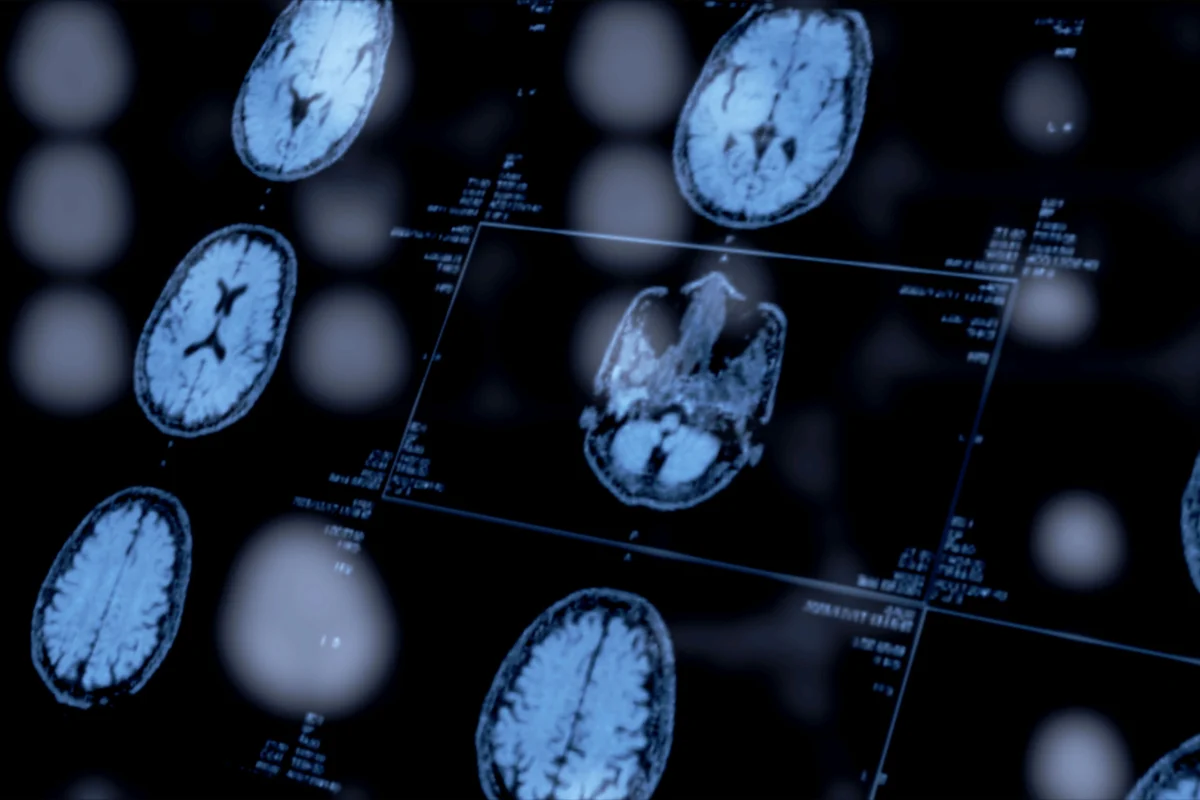
"The integration of biological markers into psychiatric diagnoses could revolutionize mental healthcare, moving beyond symptom-based assessments to offer more objective and personalized treatment pathways."
For decades, the diagnosis and treatment of mental illnesses have largely relied on observable symptoms and patient self-reporting. This approach, while essential, has often led to a trial-and-error process for medication, as highlighted by the experience of Amanda Miller, a neuroscientist who struggled with severe depression and unexplained health issues. Her journey, which ultimately led to a diagnosis of lupus and a positive response to anti-inflammatory treatment, underscores a growing recognition within the medical community that biological factors may play a more significant role in mental health than previously understood. This potential shift is now being formally explored by leading psychiatric organizations, with the American Psychiatric Association (APA) considering the incorporation of biomarkers into future editions of its influential Diagnostic and Statistical Manual of Mental Disorders (DSM). This move could fundamentally alter how mental health conditions are identified and managed, offering the promise of faster, more accurate diagnoses and more effective, tailored treatments.
The paradigm shift towards incorporating biological indicators, or biomarkers, into the diagnosis of mental health conditions is gaining momentum, driven by both scientific advancements and the persistent challenges of current treatment approaches. Amanda Miller’s personal experience serves as a compelling, albeit anecdotal, illustration of this emerging frontier. At 30, while pregnant with her second child in Hershey, Pennsylvania, Miller began experiencing depression, which significantly worsened after childbirth and was accompanied by a range of unexplained physical ailments. As a neuroscientist, she sought conventional psychiatric care, undergoing a two-year period where she tried four different antidepressants and two antipsychotics, all without significant relief. The turning point came when her primary care physician detected elevated autoimmune markers in her blood. Subsequent comprehensive testing by specialists led to a diagnosis of lupus, an autoimmune disease. The prescription of an inflammation-lowering steroid yielded rapid improvement, with some symptoms subsiding within hours and her depression abating shortly thereafter.
Miller’s case raises a critical question: could inflammation have been a contributing factor to her mental health struggles all along? She believes so, though she acknowledges the difficulty in definitively proving such a link, especially since her psychiatrists had not previously explored this possibility. This situation reflects a broader challenge in mental healthcare: while most medical specialties rely on objective diagnostic tools such as blood work, imaging, and biopsies to guide treatment decisions, mental illnesses have historically been diagnosed and treated primarily through the observation and interpretation of outward symptoms. The APA’s recent paper, published in January, proposes a significant departure from this tradition by outlining potential pathways for integrating biomarkers into future versions of the DSM. This manual, often referred to as "psychiatry’s bible" due to its profound influence on clinical practice and insurance coverage, sets the criteria for diagnosing mental disorders.
The integration of biomarkers into the DSM is a concept that, if realized, would represent a monumental advancement in psychiatric care. Jonathan Alpert, a co-author of the APA’s January paper and vice chair of its Future DSM Strategic Committee, emphasized that this would be "a very big deal." The potential benefits are substantial: access to objective biological data, alongside observable symptoms, could streamline insurance coverage decisions and empower clinicians to make faster, more accurate diagnoses and treatment recommendations. For instance, if a patient’s biological profile indicated a higher likelihood of responding to a specific class of medication, clinicians could bypass less effective options, saving valuable time and resources.
Currently, the selection of psychiatric medications often resembles a "crapshoot," as described by Matthew Eisenberg, director of the Center for Mental Health and Addiction Policy at the Johns Hopkins University Bloomberg School of Public Health. He points to early 2000s research, such as a National Institute of Mental Health-funded trial, which found that only about 30% of participants with depression experienced symptom remission with their first antidepressant. While this study remains a benchmark, more recent analyses suggest that the effectiveness of these medications may be even lower than initially reported. This trial-and-error approach not only leads to ineffective and unnecessary prescriptions but also fuels criticism from various quarters. Notably, proponents of the "Make America Healthy Again" movement, spearheaded by figures like Health and Human Services Secretary Robert F. Kennedy Jr., have been vocal critics of antidepressants, at times linking them to violence without conclusive evidence and expressing concerns about overprescribing to children. HHS, through its spokesperson Emily Hilliard, stated that the department is analyzing diagnostic and prescription trends and evaluating alternative mental health treatments, particularly for children.
The concept of utilizing biomarkers to guide treatment is not novel; it is already a cornerstone of other medical disciplines, particularly oncology. Many states, including Arizona, Georgia, Kentucky, and Texas, mandate insurance coverage for biomarker testing. Similarly, blood and imaging tests are now integral to the diagnosis of conditions like Alzheimer’s disease. The APA’s paper outlines a range of potential psychiatric biomarkers, including those related to brain activity, genetic profiles, and immune markers associated with specific conditions such as schizophrenia and substance use disorders.
One promising area of research involves inflammatory markers. For instance, elevated levels of C-reactive protein (CRP), an inflammatory protein detectable through a blood test, are observed in approximately a quarter of individuals with depression. Research suggests that patients with high CRP levels may respond better to treatments that modulate dopamine pathways, as opposed to relying solely on selective serotonin reuptake inhibitors (SSRIs), a common class of antidepressants. While the APA acknowledges that CRP requires further "robust validation" as a biomarker, it stands as one of the most promising indicators currently under investigation.
Achieving this level of validation, however, necessitates "coordinated, well-funded" research efforts, according to the APA. This prospect is somewhat uncertain, particularly given past funding fluctuations for scientific research. A research letter published in JAMA highlighted the cancellation of a significant number of grants from the National Institute of Mental Health (NIMH), valued at nearly $173 million, during a specific period. While some of these grants have since been reinstated, researchers remain apprehensive about the vulnerability of their work to future funding cuts. Alpert underscored the critical need for "continued, active funding of research related to mental health," while acknowledging the inherent "uncertainties of the funding landscape."
The potential ripple effects of integrating biomarkers into mental healthcare extend to insurance coverage and overall healthcare costs. Patients with poorly controlled mental illnesses tend to incur higher healthcare expenses due to factors such as hospitalizations, outpatient appointments, and prescription costs. Some studies suggest that biomarker testing could lead to cost savings by enabling clinicians to identify the most effective treatments more rapidly, thereby reducing the need for prolonged, ineffective interventions and associated expenses. A modeling study in Canada, for example, estimated potential savings of $956 million over two decades by using genetic testing to identify optimal drug treatments for major depression. Similarly, a Spanish study found that such testing reduced costs for a majority of participants with serious mental illness.
However, the economic implications in the U.S. healthcare system remain uncertain. Eisenberg cautioned that in the short term, an approach heavily reliant on biomarker testing could initially increase healthcare spending due to the inherent costs of the tests themselves. Insurers may also be hesitant to cover expensive biomarker tests, as it typically takes time for new scientific advancements to be thoroughly proven safe and effective before widespread insurance adoption. Furthermore, concerns have been raised by some researchers regarding the potential for discrimination by insurers or employers against individuals whose biological profiles might indicate a predisposition to certain neuropsychiatric conditions.
Gabriel Lázaro-Muñoz, a member of Harvard Medical School’s Center for Bioethics, considers this a "critical moment" to enact legislative protections for patients and to educate clinicians on the appropriate utilization of these emerging tools. He expressed that "the field of psychiatry is not currently ready to manage this." Andrew Miller, a professor of psychiatry and behavioral sciences at Emory University School of Medicine who specializes in inflammation-related depression, echoed this sentiment, stating that the mental health system is not prepared to "jump in with both feet." Nevertheless, he views the APA’s embrace of biomarkers as signaling "the beginning of a revolution," a recognition that "what we’ve done up to this point has not been good enough, and we can do better." This acknowledgment marks a pivotal point in the ongoing evolution of mental healthcare.