
As the boundary between professional-grade equipment and consumer lifestyle gear blurs, the latest wave of fitness and outdoor innovations prioritizes sustainable materials, specialized technical performance, and data-driven recovery. This shift reflects a broader industry movement toward "purpose-built" design that balances extreme durability with environmental responsibility.
The landscape of athletic performance and outdoor exploration is currently undergoing a significant transformation. Manufacturers are no longer content with incremental updates; instead, they are integrating aerospace-inspired aerodynamics, advanced PFAS-free textiles, and sophisticated monitoring systems into everyday gear. From the rise of "super shoes" that push the limits of official competition regulations to the integration of bio-hacking technology into home hygiene, the current market represents a convergence of high-level engineering and daily wellness. This evolution is driven by a consumer base that demands versatility—gear that can transition seamlessly from high-intensity gym sessions to severe mountain environments or professional work-from-home setups.
The Evolution of the "Super Shoe" and Technical Footwear
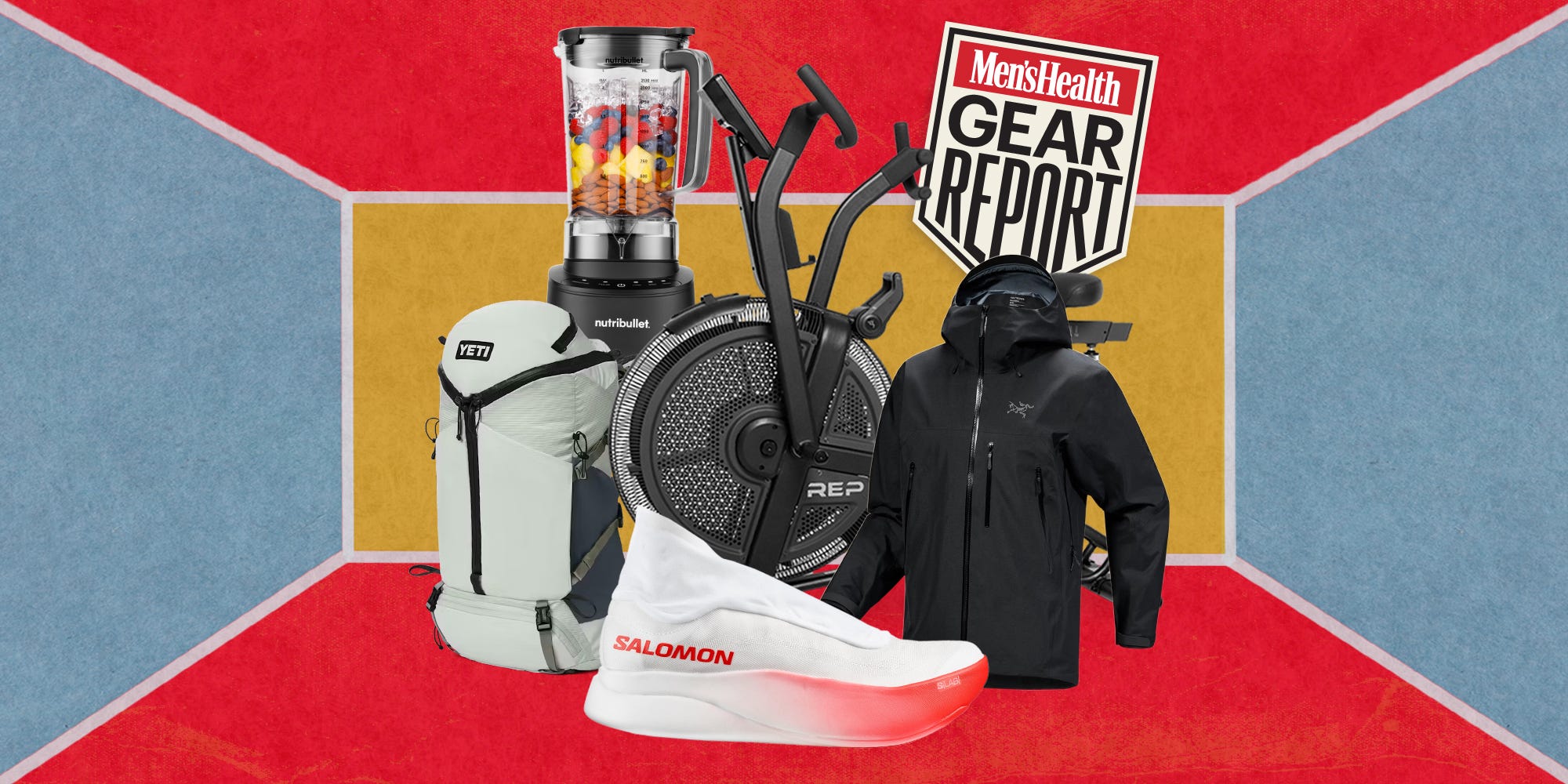
The footwear industry continues to be dominated by the "super shoe" arms race, characterized by high-stack foams and carbon-plate technology. Salomon’s latest entry, the Phantasm 3, exemplifies this trend toward maximalist efficiency. By dropping the weight to a mere 7 ounces while increasing the midsole foam to 39.5 mm, Salomon has positioned the shoe just a half-millimeter shy of the 40 mm limit set by World Athletics for official competition. This design choice provides marathoners with maximum energy return without risking disqualification. The introduction of a "space age" aerodynamic bootie upper further signals a shift toward specialized race-day ergonomics, even if it sacrifices some ease of entry for the sake of speed.
Similarly, Hoka is blurring the lines between trail running and fast-packing with its hiking boot version of the Mafate. By taking a technical trail runner and extending it into a plush, lightweight boot (13.10 oz), Hoka is catering to the "fast hiking" demographic. The use of Matryx mesh—a hydrophobic, high-tenacity fabric—highlights a move toward materials that offer superior breathability and durability without the weight of traditional leather hiking boots.
Even lifestyle and "athleisure" footwear are seeing technical upgrades. The Clarks Pace Rise incorporates an S-curve heel for ergonomic walking, while the weather-resistant update to the popular Evo SL line utilizes Continental rubber outsoles. This cross-pollination of technologies—using tire-grade rubber for city sidewalks—ensures that the "bouncy" ride associated with high-performance runners is now accessible in inclement weather and urban environments.
Sustainability and the "Forever Chemical" Pivot
One of the most significant shifts in the outdoor apparel industry is the movement away from per- and polyfluoroalkyl substances (PFAS). Arc’teryx has taken a leading role in this transition with the Beta SV Jacket. As the most technical shell in the Beta line, it utilizes a three-layer 100D Gore-Tex Pro ePE fabric. This new membrane is PFAS-free, representing a major milestone in high-altitude protection. The "SV" (Severe) moniker indicates its purpose: handling extreme mountain conditions while adhering to new environmental standards that aim to eliminate "forever chemicals" from the supply chain.
This environmental consciousness extends to the use of natural fibers. Brands like Ibex are leading a push toward wool-insulated garments to combat the proliferation of microplastics derived from synthetic, plastic-based fibers. Their packable hoodie combines natural wool insulation with a PFC-free DWR (Durable Water Repellent) nylon shell, proving that technical performance does not have to rely on environmentally damaging synthetics.
Wearables and the "Open Earbud" Trend
In the realm of electronics, 2024 is being defined as the year of the "open earbud." Traditional noise-canceling earbuds, while effective for focus, can be a liability for outdoor runners who need situational awareness. The JBL Endurance Zone and similar offerings prioritize comfort and safety through non-intrusive ear hooks and haptic controls. While Sony continues to refine the "gold standard" of active noise cancellation with the WF-1000XM6, the industry is increasingly providing options for athletes who want high-fidelity sound without total auditory isolation.

The smartwatch market is also pushing into the "ultra" category. The AmazFit T-Rex Ultra 2 serves as a prime example of extreme-environment engineering. Capable of operating in -30°C air temperatures and surviving depths of 45 meters, it targets the adventure-athlete demographic that requires more than just a step counter. With over 180 sport modes and a 30-day battery life, it challenges the dominance of more established legacy brands by offering ruggedized "super-computer" capabilities at a competitive scale.
The Integrated Home Gym and WFH Wellness
As hybrid work remains a staple of the modern professional life, fitness equipment is becoming more integrated into the home office. Uplift’s under-desk treadmill, featuring a 7% incline capability, represents a shift from "incidental movement" to "intentional exercise" during the workday. Unlike standard flat-walking pads, the addition of an incline allows users to increase cardiovascular strain and VO2 max training while remaining stationary at a desk.
For those focusing on high-intensity interval training (HIIT), REP Fitness has introduced a patent-pending Variable Pitch Resistance system for its air bikes. By allowing users to adjust the fan blade angle, the machine provides a customizable resistance curve that was previously unavailable on traditional air bikes. This innovation allows for a more nuanced approach to metabolic conditioning, moving beyond the "one-size-fits-all" resistance of standard fans.
Recovery and hygiene are also seeing a technological overhaul. The "bio-hacking" trend has moved into the bathroom with products like the Higherdose filtered shower head, which incorporates red light therapy. While the clinical benefits of red light therapy in a shower setting are still being explored, the combination of water filtration (to remove skin-irritating chlorine and heavy metals) with photobiomodulation suggests a future where every aspect of the home environment is optimized for health.
Specialized Utility and the Legacy of "Over-Engineering"
The influence of professional-grade utility is visible in the latest gear from 5.11 and Yeti. 5.11, a brand favored by first responders, has updated its plate carrier weighted vests to offer maximum mobility for functional fitness movements like rope climbs and deep squats. This "tactical-to-gym" crossover emphasizes durability that can withstand the rigors of professional use while remaining accessible to the average fitness enthusiast.
Yeti’s entry into the backpacking market through its acquisition of Mystery Ranch signals a new era for the brand. The Skala Hiking Pack utilizes the "Rip Zip" technology—a Y-shaped zipper system that allows for instantaneous access to the pack’s contents. This merger of Yeti’s brand prestige with Mystery Ranch’s ergonomic expertise creates a product that is both high-status and highly functional.
Even the humble cooler is becoming "smart." Oyster has developed a hard cooler with an integrated temperature monitoring system. While not electrically cooled like a portable refrigerator, the real-time internal measurement allows users to manage ice retention and food safety with scientific precision. This focus on data—knowing exactly how long a perishable item will remain at a safe temperature—is indicative of the broader trend toward "informed consumption" across all gear categories.
Conclusion
The current trajectory of fitness and outdoor gear is defined by a refusal to compromise. Consumers no longer have to choose between extreme performance and environmental ethics, or between technical utility and aesthetic appeal. Whether it is a carbon-plated shoe that pushes the boundaries of athletic regulations or a PFAS-free jacket designed for the world’s harshest climates, the innovations of 2024 are built on the principle of "precision engineering for the everyday." As these technologies continue to mature, the focus will likely remain on enhancing human capability while minimizing the ecological footprint of the gear that makes it possible.