
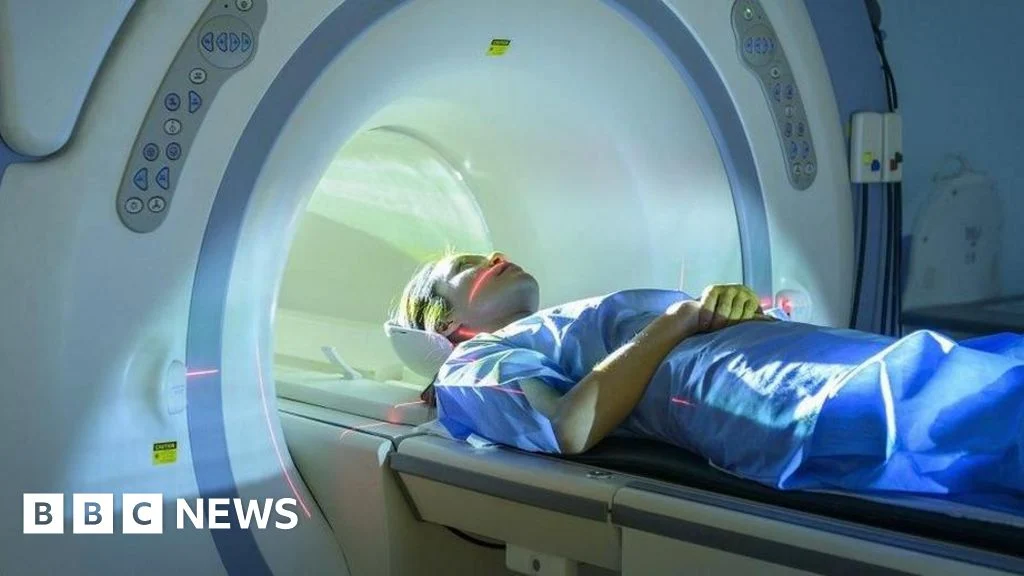
"A stark two-tier health system is rapidly taking hold across England, driven by unprecedented NHS waiting lists, forcing individuals to pay for essential tests and treatments privately to access timely care. This trend risks fundamentally eroding the principle of universal healthcare, creating a system where speed of access is dictated by wealth, not need."
A recent warning from Healthwatch England highlights a concerning acceleration towards a two-tier healthcare system in England, where access to timely medical intervention increasingly depends on an individual’s ability to pay. Patient watchdog data, bolstered by new polling, reveals a significant surge in people resorting to private healthcare for scans, tests, and treatments, primarily to circumvent the protracted waiting times plaguing the National Health Service (NHS). This shift, while offering immediate relief to those who can afford it, underscores a deepening inequity in healthcare access and poses a substantial challenge to the foundational principles of the NHS.
The evidence points to a rapid escalation in private healthcare utilization. Healthwatch England’s comprehensive survey, encompassing nearly 2,600 individuals across England, indicates that 16% of respondents accessed private healthcare services within the last year, a notable increase from just 9% two years prior. A staggering four out of ten of these individuals explicitly cited the unmanageably long NHS waiting lists as the primary motivator for their decision. This trend is not uniformly distributed across society; the survey unequivocally demonstrates a strong correlation between wealth and private healthcare engagement. A significant 35% of those with annual incomes exceeding £80,000 opted for private care, in stark contrast to a mere 10% among individuals earning less than £20,000, illuminating a widening chasm in healthcare accessibility based on socioeconomic status.
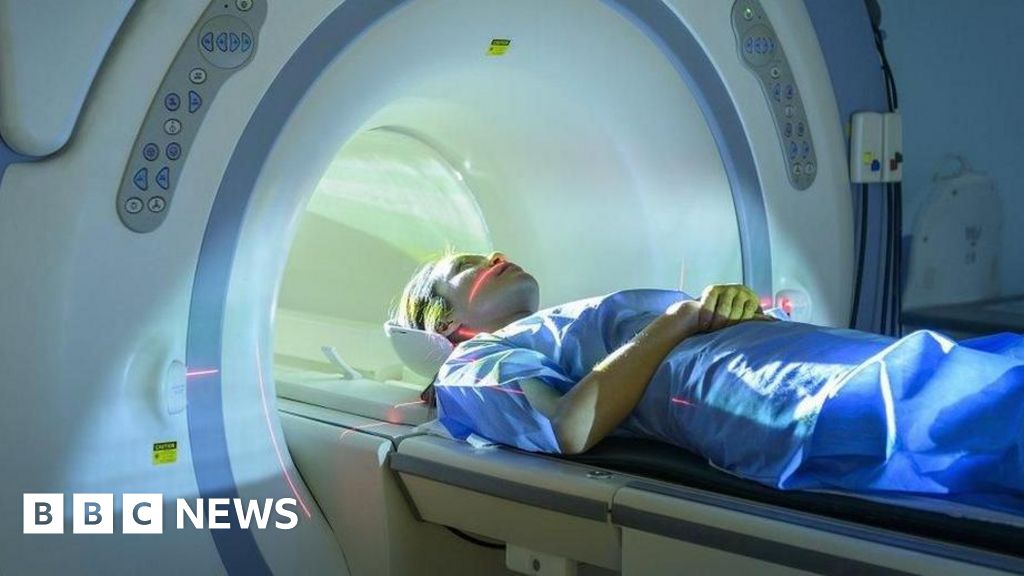
The landscape of private engagement is multifaceted. Beyond full private treatments, an emerging "hybrid" model sees patients leveraging the private sector for diagnostic tests and scans, then returning to the NHS armed with their results, hoping to expedite their pathway to treatment. Private sector providers confirm this surge, noting that while the NHS aims for a six-week target for diagnostics, private facilities can often deliver results within 48 hours. This efficiency gap is leading an estimated one million patients annually to pay privately for these initial diagnostic steps, effectively attempting to "queue jump" the public system. Furthermore, the scope of private services sought is expanding to include mental health support, weight-loss medications, and even private GP appointments, as reported by David Hare, chief executive officer of the Independent Healthcare Providers Network. Hare describes this blend of private and NHS care as rapidly becoming the "new normal," driven by individuals’ primal instinct to prioritize their health and that of their families, even if it means self-funding.
The human cost of these delays and the subsequent financial decisions is profound. Chloe Leckie, a 51-year-old from Buckinghamshire, embodies the painful dilemma faced by countless patients. Struggling for years with debilitating endometriosis, Chloe endured immense pain while navigating the bureaucratic complexities and delays of the NHS. Despite her desperate need for a hysterectomy, the public system could only offer physiotherapy and drug treatment, which provided insufficient relief. Her salvation came unexpectedly through a change in her husband’s work health insurance policy, which suddenly covered the substantial £20,000 cost of a private hysterectomy. Last year, Chloe underwent the procedure, which also involved the removal of her appendix, and now continues to pay privately for crucial post-operative physiotherapy. "I was in tremendous pain, but just could not get the help I needed from the NHS," Leckie recounted, expressing her gratitude for the financial opportunity that allowed her to access care, an opportunity she acknowledges is not available to everyone. Her experience vividly illustrates the emotional toll of NHS delays and the relief, tinged with a sense of privilege, afforded by private alternatives.
The implications of this burgeoning two-tier system extend far beyond individual financial burdens. For a nation that prides itself on a universal healthcare model, where care is meant to be free at the point of need and based on clinical priority, this trend represents a significant ideological and practical challenge. The principle of equity, a cornerstone of the NHS, is being undermined as access to timely diagnosis and treatment becomes increasingly contingent on financial capacity. This creates a de facto two-speed system: those who can pay receive faster care, potentially leading to better health outcomes, while those who cannot are left to endure prolonged suffering and the potential for their conditions to worsen.
Healthwatch England, having meticulously analyzed over 390,000 pieces of public feedback over the past three years, underscores the urgency of governmental intervention. Beyond the immediate need to reduce waiting times, the watchdog advocates for improved communication and support for patients during their wait. Providing clearer information on expected timelines and offering resources for managing symptoms could significantly alleviate patient anxiety and empower individuals to better cope with their conditions while awaiting NHS care. The current reality sees nearly four in ten patients waiting beyond the NHS’s own 18-week target for hospital treatment, a metric that has seen little significant improvement despite various initiatives.

The British Medical Association (BMA) has also voiced serious concerns. Dr. Katie Bramall, chair of the BMA’s GP committee, confirms that her colleagues have observed a sharp increase in patients seeking private care and then returning to NHS GPs for ongoing management. This phenomenon, while seemingly alleviating immediate pressure on secondary care, adds a new layer of complexity and workload for GPs, who must then meticulously assess privately obtained results to determine eligibility for subsequent NHS care. Dr. Bramall explicitly warns that this practice contributes directly to the erosion of a single-tier service, calling for "urgent, nationally-funded action… to ensure all patients can access high quality care quickly, whether it’s in the NHS or privately." This highlights the interconnectedness of the healthcare system and how shifts in one area inevitably ripple through others.
The Department of Health and Social Care, while acknowledging the challenges, maintains that improvements are underway. A spokeswoman stated that waiting lists have fallen to their lowest level in nearly three years, with progress being made on reducing waiting times. The government expresses a determination to dismantle the "unacceptable two-tier healthcare system we inherited that leaves patients feeling they have no choice but to go private." While reaffirming their commitment to extra investment and modernization efforts, the spokesperson candidly admitted, "we know there’s a long way to go." This statement, however, is juxtaposed against the patient watchdog’s findings, suggesting that the perceived progress is not yet translating into a palpable change for a significant segment of the population.
The factors contributing to the current crisis are complex and multi-layered. The COVID-19 pandemic undeniably exacerbated pre-existing issues, creating unprecedented backlogs. However, underlying challenges such as chronic underfunding, a persistent workforce crisis, and insufficient capacity within the NHS have also played critical roles in stretching services to their breaking point. The reliance on private healthcare, therefore, is not merely a patient preference but a symptom of a public system struggling to meet demand.
In conclusion, the emergence of a two-tier healthcare system in England represents a critical juncture for the NHS. While the immediate impulse to seek private care to escape pain and uncertainty is understandable, its growing prevalence threatens the fundamental principle of healthcare access based on need. The warnings from patient watchdogs and medical professionals are unequivocal: without substantial and sustained national investment, coupled with strategic reforms to enhance capacity, staffing, and patient communication, England risks cementing a system where timely care becomes a luxury rather than a right, profoundly altering the character of its cherished National Health Service. The long-term implications for public health, social equity, and national identity demand urgent and decisive action.