
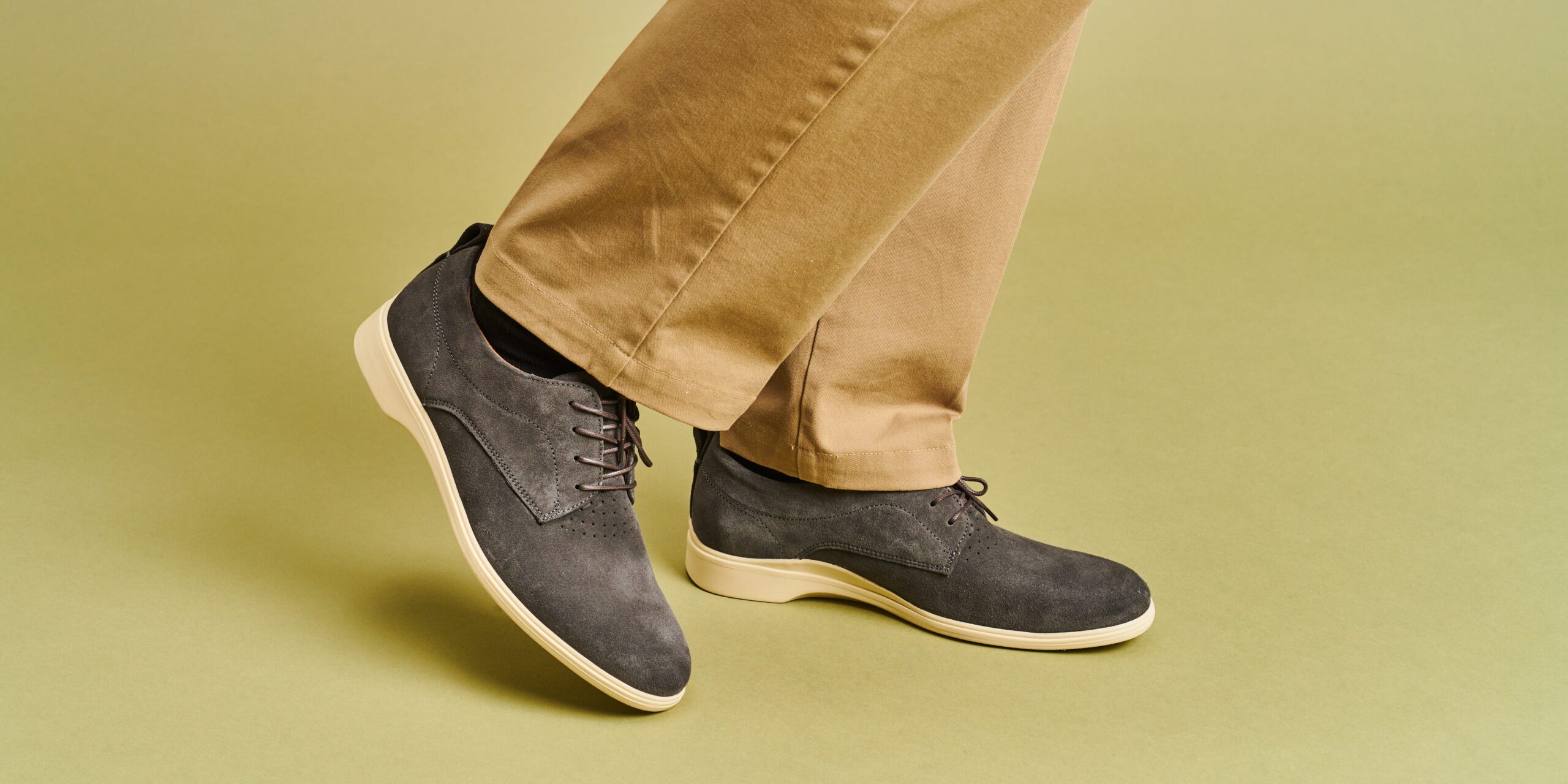
Modern footwear engineering has finally bridged the gap between boardroom aesthetics and athletic performance, proving that professional style is no longer a prerequisite for chronic foot fatigue or orthopedic strain. By integrating sneaker-inspired technology into traditional silhouettes, these designs offer a sophisticated solution for the modern professional who requires formal presentation alongside the support necessary for high-mobility lifestyles.

For decades, the standard for men’s formal footwear was defined by rigid leather outsoles, narrow toe boxes, and minimal arch support. While these shoes looked the part of a high-powered executive, they often resulted in significant physical tolls, including plantar fasciitis, lower back pain, and general fatigue. However, a seismic shift in the footwear industry—often referred to as the "sneakerization" of dress shoes—has fundamentally changed the landscape. Today, the most innovative brands are utilizing materials like thermoplastic polyurethane (TPU), memory foam, and moisture-wicking linings to create shoes that look indistinguishable from classic Oxfords but feel like performance trainers. This evolution is not merely a trend in fashion but a response to a more mobile workforce and a cultural shift toward prioritizing health and wellness in every facet of the wardrobe.

The pinnacle of this hybrid philosophy is arguably found in the Ecco Citytray Cap Toe. Ecco has long been a pioneer in the comfort space, and the Citytray represents the brand’s ability to conceal advanced orthopedic upgrades within a timeless "old school" aesthetic. The core of its comfort lies in a removable orthopedic insole, which is cleverly covered with a layer of leather to maintain the appearance of a traditional footbed. This leather lining serves a dual purpose: it offers a premium feel while gradually molding to the unique contours of the wearer’s foot over time. Furthermore, the Citytray midsole and outsole system provides the stability and traction typically reserved for walking shoes, making it a versatile choice for ten-hour workdays or wedding dance floors alike.

As the market for comfortable formal wear expands, brands like Amberjack are leveraging athletic performance builds to redefine "business casual." Their flagship model, The Original, utilizes a memory foam arch support system and a flexible outsole with targeted heel reinforcement. The result is a shoe that moves with the foot rather than against it. This focus on flexibility is particularly beneficial during the "break-in" period, a traditionally painful phase of new shoe ownership that Amberjack has effectively eliminated through the use of supple leathers and suedes.
The technical innovation continues with Cole Haan’s GrandFlex Dress Cap Toe Oxfords. Cole Haan was among the first major American shoemakers to experiment with rubber, sneaker-inspired soles on leather uppers. Their current GrandFlex system takes this a step further by segmenting the outsole between the arch and the toes. This mechanical design provides exceptional flex at the ball of the foot—the primary pivot point during the walking gait—while maintaining a rigid, supportive structure through the heel and arch. To the casual observer, the shoe appears to be a standard dress Oxford, yet the wearer experiences the shock absorption and energy return of a high-end runner.

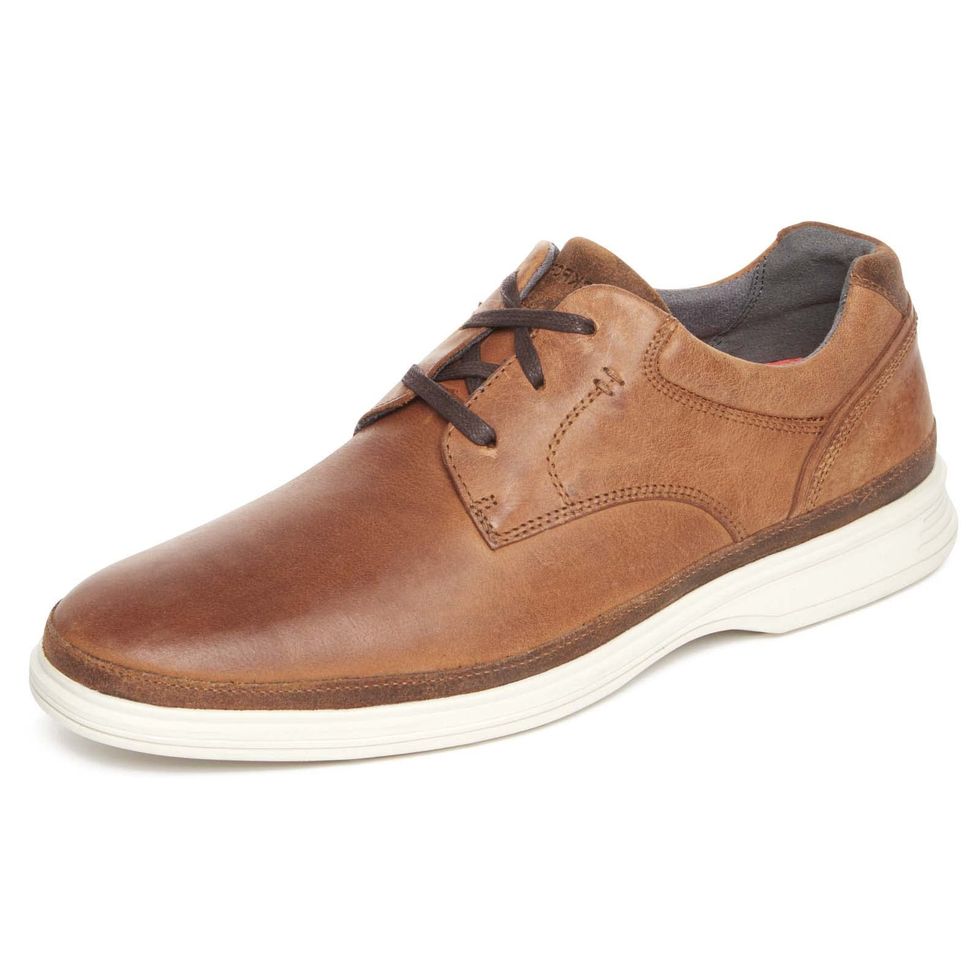
For those operating within a more relaxed office environment, the Rockport DresSports 2 Go offers a bridge between the leather sneaker and the formal derby. Rockport’s approach involves incorporating a rubber midsole and ankle padding—features common in casual footwear—without disrupting the clean lines of a plain-toe silhouette. This model is particularly effective when paired with chinos, providing a polished look that remains functional for those who commute via public transit or spend significant portions of their day standing.

While many modern brands look to the future, some, like Nunn Bush, are revitalizing century-old legacies with modern internal components. The Centro Flex Cap Toe Oxford maintains the classic Milwaukee-based craftsmanship the brand has been known for since 1912, but it is now bolstered by gel and foam inserts. These inserts are designed to provide a "bounce" in the step, while the low-profile heel is engineered to distribute weight more evenly, preventing the excessive pressure on the forefoot that often leads to soreness after long hours of wear.

The challenge of finding comfortable footwear is often magnified for men with wide feet. Traditional dress shoes are notoriously narrow, leading to pinching and circulation issues. The Florsheim Rucci addresses this demographic specifically, offering a wide-fit wingtip that does not compromise on style. Florsheim pays meticulous attention to the "sole stack," a three-layer system consisting of a firm yet squishy insole, a flexible rubber midsole that mimics the look of leather, and a high-grip outsole. This holistic approach to the sole ensures that all three layers work in concert to provide a stable foundation.

The democratization of comfortable footwear has also made these innovations accessible at various price points. The Bruno Marc Casual Dress Oxford demonstrates that orthopedic support does not always require a triple-digit investment. By utilizing a ventilated polyurethane upper and a durable thermoplastic elastomer sole, this shoe provides a lightweight, breathable alternative for warmer climates or casual date nights. The emphasis here is on thermal regulation; the ventilated design prevents overheating, which is a common cause of discomfort in synthetic footwear.

Travel also presents unique requirements for the modern gentleman. The Astorflex Patnoflex Travel Loafer is designed specifically for the frequent flyer. As a slip-on model made from smooth suede, it simplifies the airport security process while offering a silhouette that resists the deep creasing common in stiffer leathers. The unlined, flexible construction makes it highly breathable, while a leather liner prevents the "clammy" sensation often associated with sockless wear in humid environments.

In the realm of high-performance hybrids, Wolf and Shepherd’s Toro Wholecut stands out for its use of Scuba lining. This soft, spongy layer cushions the foot and eliminates the friction that causes blisters. Paired with a memory foam footbed and a high-traction rubber outsole, the Toro Wholecut is built for the "concrete jungle," offering maximum shock absorption for those walking long city blocks. Similarly, Kenneth Cole’s Kev Leather Lace-Up utilizes a proprietary "Techni-Cole" Rebound System. This technology incorporates high-recovery gel pods in both the heel and the forefoot, creating a localized energy return system that reduces the metabolic cost of walking.

Finally, for those with specific podiatric needs, such as flat feet or overpronation, the Vionic Uptown Loafer offers a built-in orthotic footbed. Unlike standard insoles, which provide generic cushioning, Vionic’s design is focused on alignment. By cradling the arch and stabilizing the heel, the shoe helps improve overall posture. While this may require a short adjustment period of two to three weeks, the long-term benefits for joint health and spinal alignment are significant.

Styling these modern marvels requires a nuanced understanding of the current fashion landscape. Because many of these shoes feature rubber soles or slightly more substantial profiles, they pair exceptionally well with the "new professional" wardrobe. This includes wool-blend slacks, tapered chinos, and high-quality Oxford shirts. For a cohesive look, experts suggest sticking to traditional colors—black, dark brown, or cognac—which allow the shoe to blend into formal environments while the hidden technology does the heavy lifting beneath the surface.
Ultimately, the shift toward comfortable dress shoes represents a broader movement toward functional fashion. As we move further into an era where productivity and well-being are intrinsically linked, the shoes we wear to work are being scrutinized not just for how they look, but for how they perform. By choosing footwear that supports the natural mechanics of the human foot, the modern professional can navigate the demands of the corporate world with greater ease, ensuring that the only thing they leave behind at the end of a long day is a job well done—not a pair of aching feet.