
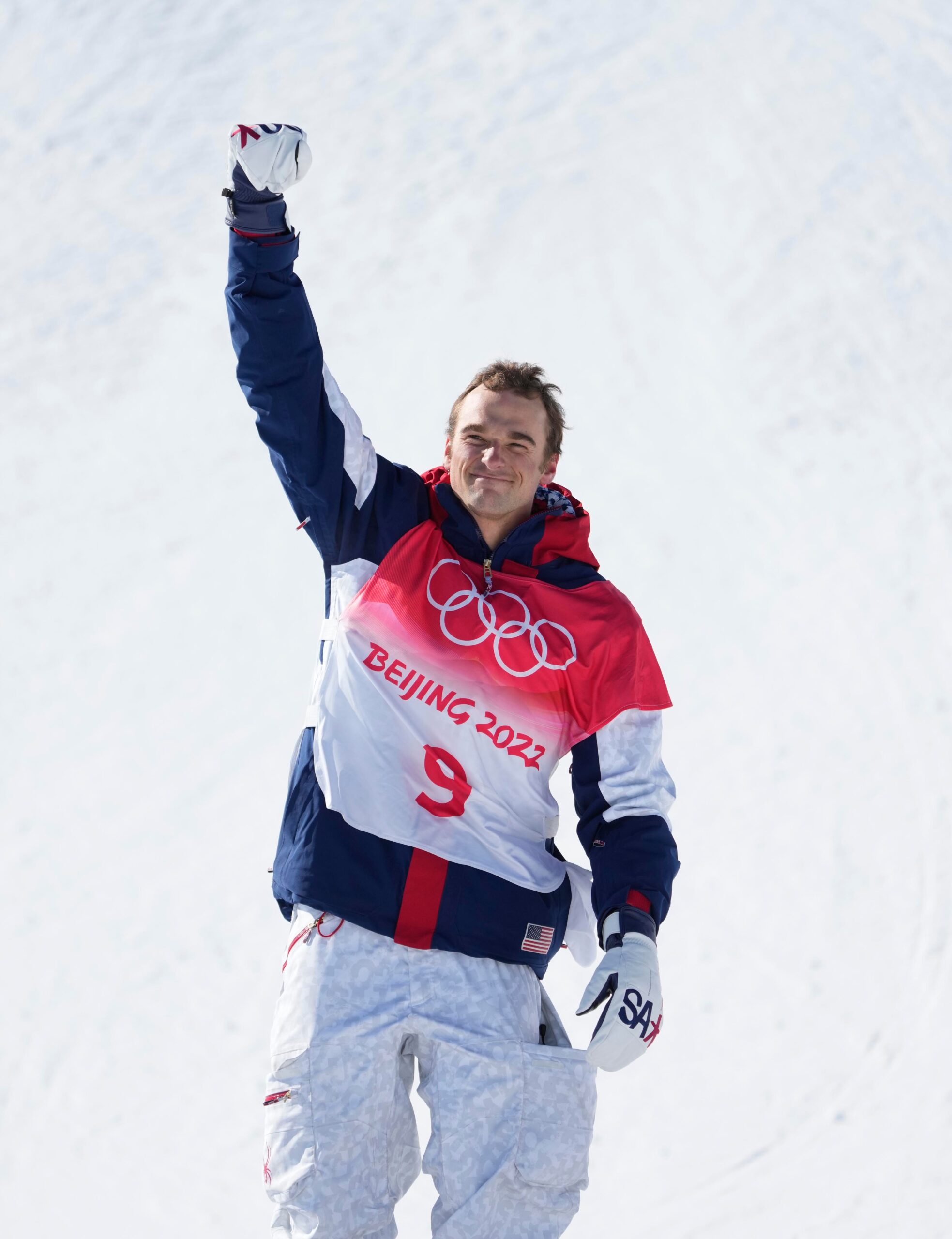
"With more than half of Team USA athletes reporting symptoms of mental health concerns, the USOPC is undergoing a paradigm shift that treats psychological well-being not as a luxury, but as a fundamental pillar of elite athletic performance."
As the 2026 Winter Olympics in Milano Cortina approach, the conversation surrounding elite sports has shifted from physical dominance to psychological resilience. While the pursuit of gold remains the ultimate objective for the 232 athletes representing the United States, a sobering reality underlies their preparation: nearly 50 percent of U.S. Olympians and 60 percent of U.S. Paralympians are expected to experience symptoms of mental health concerns during the Games. This data, provided by the United States Olympic & Paralympic Committee (USOPC), highlights a critical vulnerability in the high-stakes world of international competition, prompting a massive overhaul in how the nation’s governing sports body supports its most decorated citizens.
The Sobering Reality of Elite Competition
The statistics shared by Jonathan Finnoff, the USOPC’s Chief Medical Officer, serve as a wake-up call for fans and administrators alike. Speaking at the Team USA Media Summit in New York, Finnoff noted that the pressure of the Olympic stage often acts as a catalyst for underlying psychological distress. For many athletes, the "Olympic dream" is accompanied by a shadow of anxiety, depression, and the immense weight of national expectation.
The disparity between Olympic and Paralympic athletes is particularly noteworthy, with 60 percent of Paralympians reporting concerns. This higher prevalence often stems from the intersection of elite sports pressure and the unique societal and physical challenges faced by athletes with disabilities. To address this, the USOPC has been forced to move beyond traditional sports psychology—which focuses primarily on focus and "clutch" performance—toward a clinical model of mental health care that treats the athlete as a whole person.
From Scrutiny to Action: The Legacy of Michael Phelps
The current "robust program" touted by the USOPC did not emerge in a vacuum. It is the result of years of intense scrutiny and public criticism from some of the most successful athletes in history. Michael Phelps, the most decorated Olympian of all time, has been a vocal critic of the USOPC’s historical lack of support. In his 2020 documentary, The Weight of Gold, Phelps delivered a stinging indictment of the system, stating that during his career, "nobody really cared to help us."
Phelps’ advocacy, combined with the findings of the 2019 Borders Commission report, underscored a systemic failure. The commission, created in 2018 to evaluate the USOPC’s culture and structure, concluded that mental health services were not just inadequate—they were essential and required immediate expansion. This era of criticism served as the catalyst for the USOPC to pivot from a medal-centric organization to one that prioritizes the human beings behind the accolades.
The "Biles Effect" and the Cultural Shift
If Michael Phelps started the conversation, Simone Biles fundamentally changed the landscape. During the 2021 Tokyo Olympics, Biles’ decision to withdraw from the team and individual all-around competitions due to "the twisties"—a dangerous mental block where a gymnast loses their spatial awareness mid-air—sent shockwaves through the sports world.
The USOPC’s 2021 Impact Report described Biles’ withdrawal as a "powerful paradigm shift." By prioritizing her safety and mental health over a potential gold medal, Biles gave other athletes the "permission" to be vulnerable. This cultural opening was further widened by tennis icon Naomi Osaka and world-champion sprinter Noah Lyles, both of whom have been transparent about their struggles with depression and the pressures of the spotlight.
In response to this shift, the USOPC significantly scaled its mental health infrastructure. Between the Tokyo 2021 and Paris 2024 Games, the number of licensed psychologists on staff more than doubled, increasing from six to 15. This expansion allowed for a more nuanced approach to athlete care, moving beyond crisis management to proactive, preventative support.
Performance vs. Health: A Dual Approach
One of the most significant evolutions in the USOPC’s strategy is the integration of mental performance and mental health. Jessica Bartley, the USOPC’s Senior Director of Psychological Services, emphasizes that these two fields, while related, require different expertise.

"Mental performance" focuses on the tools an athlete needs to win: visualization, focus, and pressure management. "Mental health," however, deals with "life issues"—grief, depression, substance abuse, and personal trauma. Bartley noted that during the 2024 Paris Olympics, staff conducted 1,200 mental health sessions. While many were performance-based, many others addressed profound personal crises, including athletes dealing with miscarriages or the loss of loved ones while simultaneously trying to compete on the world stage.
To manage this, the USOPC now employs 16 dually certified providers—professionals licensed in clinical mental health who are also certified in sports performance. Additionally, a network of over 500 psychological services professionals is available for virtual consultations, ensuring that athletes have access to care regardless of their training location.
The "Existential Vacuum" of the Post-Olympic Cycle
For many athletes, the greatest mental health challenge isn’t the competition itself, but what happens after the flame is extinguished. Nick Goepper, an American freestyle skier and multi-time Olympic medalist, has spoken candidly about the "place of aimlessness" that follows the Games.
Goepper, who is preparing for his third Winter Olympics in Milano Cortina, has experienced the full spectrum of the mental health struggle, including rehab for substance abuse and suicidal ideation. He describes the post-Olympic period as an "existential vacuum." After spending four years—or an entire lifetime—focused on a single 30-second run, the sudden absence of that goal can lead to what he calls "mental hell."
"What’s my purpose? What am I doing?" Goepper asked, reflecting on his experiences after the 2014 and 2018 Games. The USOPC’s current program aims to bridge this gap, providing "transition support" for athletes as they navigate the difficult return to "normal" life after the adrenaline of the Olympics fades.
The Role of Corporate Partners and Philanthropy
The financial reality of the Olympics is that it is a multi-billion-dollar enterprise fueled by corporate sponsorships. Partners like Coca-Cola, Samsung, and Visa invest tens of millions of dollars with the expectation of seeing American athletes atop the podium. Historically, this created a conflict of interest: the pressure to produce a return on investment for sponsors often overrode the health of the athlete.
However, the tide is turning. The USOPC has successfully channeled philanthropic interest into mental health initiatives. In 2021, the Rieschel Family Foundation donated $1.5 million specifically for mental health support, and further donations were highlighted at the 2023 Team USA Media Summit. By framing mental health as a prerequisite for sustained athletic excellence, the USOPC has begun to align corporate interests with athlete welfare.
Looking Ahead to Milano Cortina 2026
As the final roster for the 2026 Winter Olympics takes shape—with the U.S. Paralympic team set for announcement in early March—the USOPC is betting that its "incredibly robust" mental health program will be a competitive advantage.
The goal for Milano Cortina is not just to win medals, but to ensure that the 232 athletes representing the United States return home whole. By acknowledging that 50 percent of these athletes will face mental health challenges, the USOPC is no longer hiding from the reality of elite sport. Instead, it is attempting to build a safety net that is as strong as the athletes it supports.
As Nick Goepper warned, the alternative is a descent into "mental hell." For the USOPC, the mission for 2026 is clear: the health of the athlete must be the foundation upon which the glory of the Games is built. In the high-altitude world of winter sports, the most important equipment an athlete carries may not be their skis or skates, but a resilient and supported mind.