
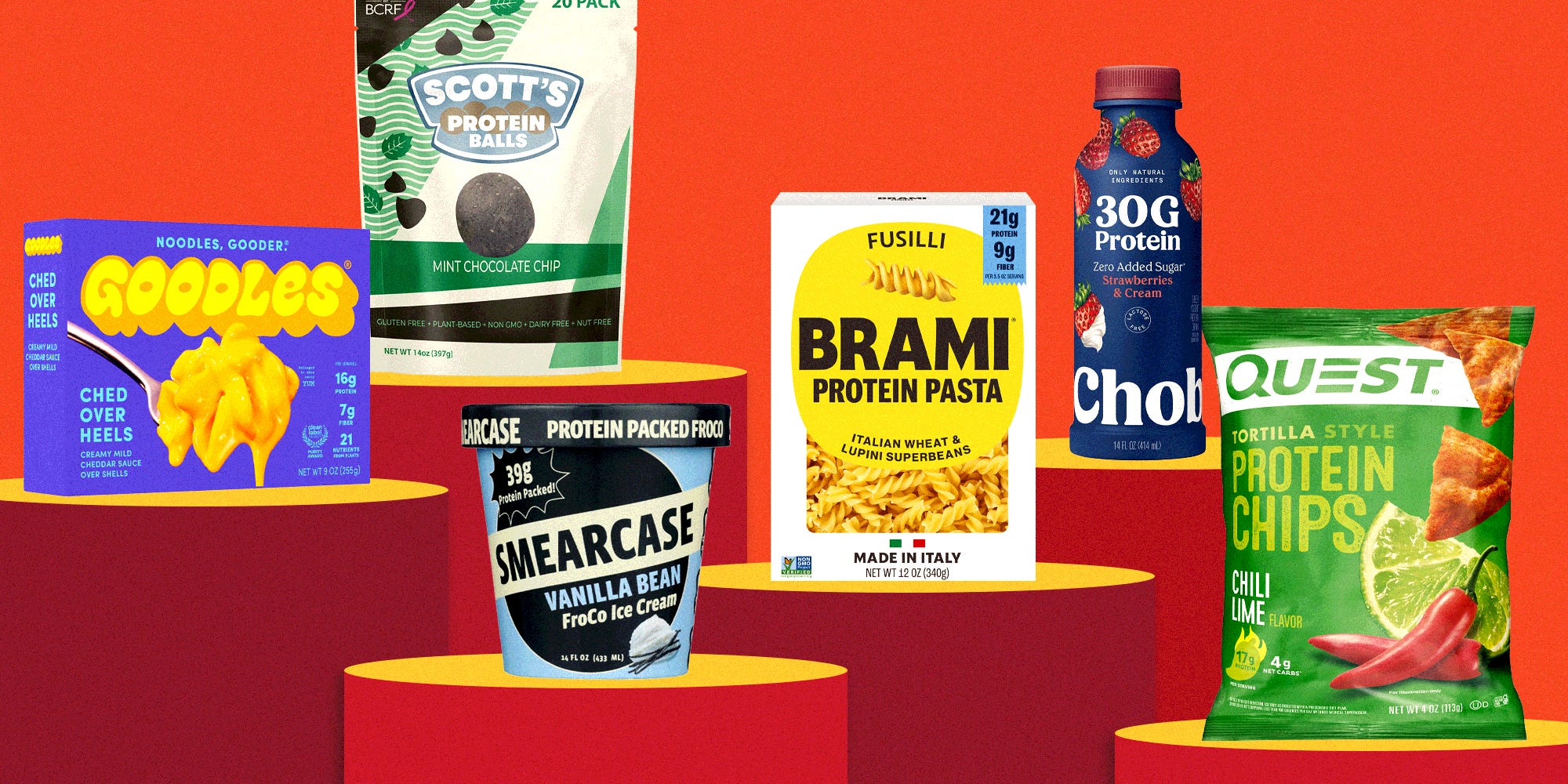
"As the distinction between performance supplements and everyday snacks blurs, the focus of modern nutrition has shifted from mere calorie counting to maximizing nutrient density through high-quality protein integration. By fortifying traditional pantry staples with diverse protein sources, the food industry is enabling a lifestyle where muscle maintenance and metabolic health are supported seamlessly throughout the day."
This evolution in the food industry reflects a growing consumer demand for convenience without nutritional compromise. By reimagining staples—ranging from morning lattes and pancakes to evening pasta and snacks—with ingredients like lupini beans, chickpeas, and pea protein, manufacturers are addressing the "protein gap" often found in standard diets. This shift is not merely about muscle building; it is about satiety, blood sugar regulation, and the long-term maintenance of lean body mass through functional, palatable food choices.
The New Architecture of the Morning Routine
For decades, the standard Western breakfast was dominated by high-carbohydrate, low-protein options that often led to mid-morning energy crashes. The modern approach to breakfast focuses on the "protein-first" principle, which suggests that consuming a significant portion of daily protein in the morning can enhance thermogenesis and reduce cravings later in the day.
Leading this charge are products like Slate’s Mocha Latte. While coffee has long been a mandatory element of the morning ritual, the integration of 20 grams of protein into a creamy, jitters-free beverage transforms a simple stimulant into a functional meal replacement or supplement. This is particularly beneficial for individuals who struggle with appetite early in the day but require the amino acids necessary to kickstart muscle protein synthesis.
Similarly, the humble pancake has undergone a structural renovation. Traditional flour-based flapjacks provide little more than simple carbohydrates. However, new protein-fortified mixes, which utilize whole grains and can be further boosted with eggs and milk to reach 18 grams of protein per serving, offer a slow-release energy source. The inclusion of whole grains provides a "hearty backbone" of flavor and essential fiber, ensuring that the meal is as filling as it is nutritious.
Even the classic oatmeal packet, a childhood staple for many, has been modernized. A common criticism of high-protein packaged goods is their reliance on non-nutritive sweeteners like stevia or monk fruit, which can leave a lingering chemical aftertaste. Quaker’s protein-enriched version addresses this by using 12 grams of protein powder and a modest 11 grams of real sugar. This balance maintains the nostalgic flavor profile while providing the macronutrient support required for an active lifestyle.

The Rise of Legume-Based Staples
One of the most significant shifts in the "alt-carb" movement is the utilization of legumes—specifically lupini beans and chickpeas—to replace traditional wheat flour. Lupini beans are a nutritional powerhouse, dense and slightly nutty, containing more protein per gram than almost any other bean. When used in pasta, such as spiral-shaped corkscrews, they provide a robust texture that holds up well under heavy sauces like pesto or in cold pasta salads.
This innovation extends to comfort foods like macaroni and cheese. By blending wheat with chickpea flour, manufacturers have created shells that deliver 14 grams of protein and 7 grams of fiber per serving. This is a crucial development for family nutrition; it allows parents to serve a meal that appeals to the palate of a toddler while meeting the nutritional requirements of an adult. The addition of fiber is particularly noteworthy, as it aids in digestion and slows the absorption of glucose, preventing the "sugar spike" often associated with processed pasta.
Science-Backed Snacking: Crunch with a Purpose
The snack aisle is perhaps the most difficult area to navigate for those prioritizing health. Historically, snacks were designed for "hyper-palatability"—a combination of salt, sugar, and fat that encourages overconsumption. The new wave of high-protein snacks, however, focuses on "satiety-per-calorie."
Chickpea-based pretzels are a prime example. By using pulse flour, these snacks offer 8 grams of protein and a satisfying "snap" that traditional wheat pretzels lack. When seasoned with garlic or honey mustard, they satisfy the psychological need for a savory crunch without the empty calorie profile of potato chips.
For those who crave high-intensity flavors, "Taki" dupes have entered the market with a baked, rather than fried, profile. These snacks use innovative protein blends to reach a staggering 20 grams of protein per serving while maintaining the citrus-and-heat flavor profile that consumers crave. Interestingly, these snacks are versatile enough to be used as a culinary ingredient; crushing them to use as a breading for seared cod adds both texture and a protein boost to a standard dinner.
Hydration and Liquid Protein Innovation
The "protein water" category represents a departure from the traditional, often heavy, whey protein shake. For many, the thickness of a chocolate or vanilla shake is unappealing after a workout or during a busy afternoon. Protein water, which often packs 20 grams of protein into a clear, tart liquid, offers a "dialed-down margarita" flavor profile that is refreshing rather than satiating in a heavy sense. While these often utilize stevia to maintain a zero-sugar count, the tartness of the flavor profile helps mask the bitterness often associated with plant-derived sweeteners.
Furthermore, the "smoothie add-on" market has matured. No longer just a tub of chalky powder, new breakfast add-ons are designed to blend seamlessly into fruit-based smoothies. By pairing these supplements with the mellow sweetness of bananas or the acidity of blackberries, consumers can easily reach a 20-gram protein threshold without altering the texture of their favorite drink.

The Convergence of Dessert and Function
The final frontier of the protein revolution is the "healthy" dessert. The challenge has always been to replicate the mouthfeel of fat and the sweetness of sugar using functional ingredients.
Cottage cheese, once a forgotten diet food of the 1970s, has seen a massive resurgence. Modern iterations blend the salty kick of cultured dairy with the sweetness of vanilla to create a snack that tastes remarkably like vanilla ice cream but contains 13 grams of protein. This simple ingredient list appeals to the "clean label" consumer who avoids complex additives.
Similarly, the protein bar has evolved into the "protein cookie." No longer a dense, brick-like ration, these bars are now textured with marshmallow-like components and chocolate studs, mimicking the experience of a "kitchen-sink" cookie while delivering 20 grams of protein. For those seeking a smaller hit of energy, mint-flavored protein balls—rolled oats combined with protein powder—offer a portable, 3.5-gram "pop" of protein that serves as an ideal pre-run snack or post-meal palate cleanser.
The Future of Functional Eating
The data suggests a clear trend: protein is no longer a niche requirement for bodybuilders; it is a fundamental pillar of general wellness. The products highlighted—from pea-protein-enriched ramen noodles to nut-and-seed granolas—demonstrate that "functional" does not have to mean "flavorless."
As experts like Paul Kita and Charles Thorp note, the key to a sustainable diet is the integration of these high-protein options into a lifestyle that values both performance and pleasure. Whether it is using a protein-packed snack to avoid an afternoon energy slump or choosing a legume-based pasta for a family dinner, the goal is the same: to make every calorie work harder for the body. In an era where lifestyle diseases are often linked to poor nutritional quality, these innovations in the grocery aisle are not just a convenience—they are a vital tool for long-term health.