
"We cannot cure chronic disease in a doctor’s office; it must be cured on the farm, in the processing factories, and in the kitchen through a fundamental shift in the policies that govern our food supply."
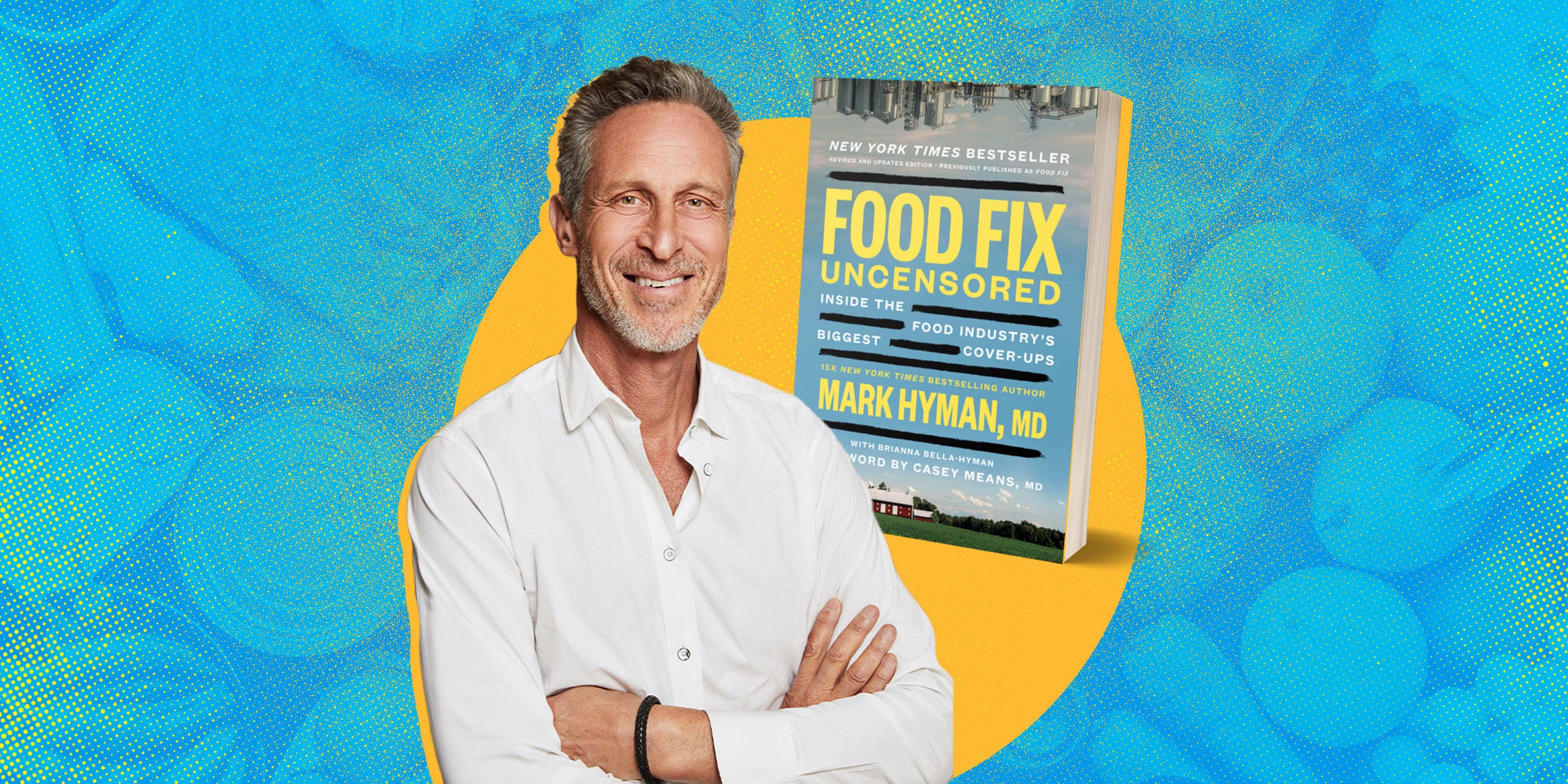
In his latest work, Food Fix Uncensored: Inside the Food Industry’s Biggest Cover-Ups, Dr. Mark Hyman argues that the American public health crisis is not merely a matter of individual choice, but the result of a complex, systemic web of industrial collusion and political lobbying. By revisiting the themes of his 2020 bestseller, Hyman positions the modern food system as the primary driver of the nation’s economic, environmental, and social instability, advocating for a radical transparency that challenges the influence of "Big Food" and "Big Pharma" on global nutrition.
The Shifting Zeitgeist of Public Health
In early 2020, the concept of a systemic "food fix" was largely relegated to the fringes of nutritional science. At the time, the term "MAHA" (Make America Healthy Again) had not yet entered the political lexicon, and the global population was on the precipice of a pandemic that would eventually highlight the lethal vulnerability of those living with metabolic dysfunction. When Dr. Mark Hyman, a prominent figure in functional medicine, first published Food Fix, his warnings about the corruption of agricultural policy fell on ears that were not yet attuned to the severity of the situation.
Six years later, the landscape has changed. The rise of the longevity movement, the proliferation of health-focused podcasts, and a growing skepticism toward institutional medical advice have created a "watershed moment" for nutritional advocacy. Hyman’s revised and expanded book, Food Fix Uncensored, arrives at a time when figures like Casey Means, MD—a nominee for Surgeon General and a vocal MAHA advocate—are bringing these issues into the halls of government. Hyman suggests that the mounting burden of chronic disease has finally forced a national conversation about the "nexus" of food, politics, and the environment.
The Industrial Nexus: Collusion Over Conspiracy
Hyman is careful to distinguish between a shadowy conspiracy and what he describes as "systemic collusion." This collusion involves a massive network including seed and chemical companies, fertilizer manufacturers, ultra-processed food corporations, fast-food chains, and the pharmaceutical industry. According to Hyman, this collective represents the single largest lobbying force in the United States, effectively shaping the very policies that dictate what Americans eat.
This influence extends far beyond the halls of Congress. Hyman points to the funding of land-grant colleges, which historically were intended to serve the public good but now often rely on "Big Ag" dollars to dictate research agendas and farmer education. Furthermore, the industry provides significant financial support to professional medical associations, such as the American Heart Association and the American Diabetes Association. By funding these organizations, the food industry can subtly influence the dietary recommendations that millions of physicians pass on to their patients.
Even social justice organizations are not immune. Hyman notes that groups like the NAACP and the Hispanic Federation have received funding from the soda industry, which then pressures these organizations to oppose soda taxes that would disproportionately affect the very communities they represent. This "socialization of costs and privatization of profits" ensures that while corporations reap massive financial rewards, the public—and the government—bears the multi-trillion-dollar burden of healthcare costs and environmental degradation.
The True Cost of Food
To understand the scale of this crisis, Hyman references a landmark report by the Rockefeller Foundation titled The True Cost of Food. The report posits that for every dollar Americans spend at the grocery store, there are an additional three dollars in collateral costs. these costs manifest in the form of healthcare spending for diet-related diseases like Type 2 diabetes and hypertension, environmental damage from industrial monocropping, and lost economic productivity.
This economic reality challenges the prevailing narrative that ultra-processed food is a "necessary evil" because it is affordable. Hyman argues that the "cheapness" of a box of cereal or a fast-food burger is an illusion created by government subsidies for corn, soy, and wheat—the building blocks of the ultra-processed diet. If the externalized costs of these foods were factored into their price, they would be the most expensive items on the market.

Policy, Education, and the SNAP Dilemma
One of the most contentious points in the debate over food policy involves the Supplemental Nutrition Assistance Program (SNAP). With an annual budget exceeding $125 billion, SNAP is a vital lifeline for millions of Americans. However, Hyman highlights a startling statistic: roughly 10 percent of that budget, or $12 billion annually, is spent on sugar-sweetened beverages.
Hyman argues that the government is essentially subsidizing the very products that drive the chronic disease epidemic among the nation’s most vulnerable populations. While industry proponents argue that restricting SNAP purchases would be paternalistic or make food less affordable, Hyman contends that the solution lies in a combination of policy reform and education. He advocates for incentivizing the purchase of "real food" and teaching basic culinary skills. His team recently demonstrated that it is possible to cook three healthy meals a day for just six dollars, provided consumers have the knowledge to shop for cheaper cuts of meat and seasonal vegetables.
The Great Dietary Debate: Saturated Fat and Seed Oils
Hyman’s nutritional advice often puts him at odds with the medical establishment, particularly regarding the role of saturated fats and seed oils. For decades, the "diet-heart hypothesis" suggested that saturated fat was the primary driver of cardiovascular disease, leading to the promotion of vegetable oils (seed oils) and low-fat, high-sugar processed foods.
Hyman argues that this theory has been largely debunked, or at the very least, oversimplified. He cites experts like Dariush Mozaffarian, the former dean of the Tufts School of Nutrition Science and Policy, who has noted the lack of evidence supporting the demonization of saturated fat when consumed as part of a whole-food diet. Conversely, Hyman remains skeptical of highly processed seed oils, which are ubiquitous in the American diet and are often high in pro-inflammatory omega-6 fatty acids.
The recently updated U.S. Dietary Guidelines reflect a slight shift in this direction, moving away from the traditional food pyramid and placing a greater emphasis on "real food" while warning against sugar-sweetened beverages and ultra-processed products. However, Hyman points out that the guidelines remain heavily influenced by industry groups, noting that several members of the scientific review board have ties to the beef and dairy lobbies.
The Politics of the Plate
As health becomes a central pillar of the cultural and political discourse, Hyman acknowledges that "eating is a political act." The emergence of the MAHA movement has brought together a diverse—and often contradictory—coalition of advocates, ranging from vaccine skeptics to proponents of regenerative agriculture. While Hyman does not fully align himself with the MAHA movement, he welcomes the increased scrutiny on the food system.
However, this politicization carries risks. Critics argue that the "wellness-to-right-wing" pipeline can lead to the spread of misinformation and the erosion of trust in valid scientific institutions. Hyman maintains that the focus should remain on the "invisible forces" that govern the food supply. He believes that until society addresses the fact that the agricultural, healthcare, and food systems are driven by profit-motivated lobbying rather than public health outcomes, the crisis will continue to escalate.
Credibility in the Age of Influencers
The longevity movement, of which Hyman is a leading figure, has faced its own share of scrutiny. The recent naming of Dr. Peter Attia, another prominent longevity expert, in the Jeffrey Epstein files has raised questions about the judgment and credibility of the movement’s leaders. Furthermore, Hyman himself has been criticized for selling a wide array of supplements and biomarker tests, which some experts argue lack sufficient clinical backing.
Hyman dismisses the idea that the failings of one individual or the commercial aspects of the wellness industry invalidate the core message of the movement. He views the current momentum—highlighted by high-profile Super Bowl advertisements featuring health icons like Mike Tyson—as evidence that the public is no longer willing to accept the status quo.
In Hyman’s view, the path forward requires a total transformation of how we produce and consume food. This includes a transition to regenerative agriculture, which restores soil health and sequesters carbon, and a decoupling of health policy from corporate interests. As Food Fix Uncensored hits the shelves, Hyman’s message is clear: the "fix" is not just about what is on our plates, but about dismantling the systemic structures that put it there.