
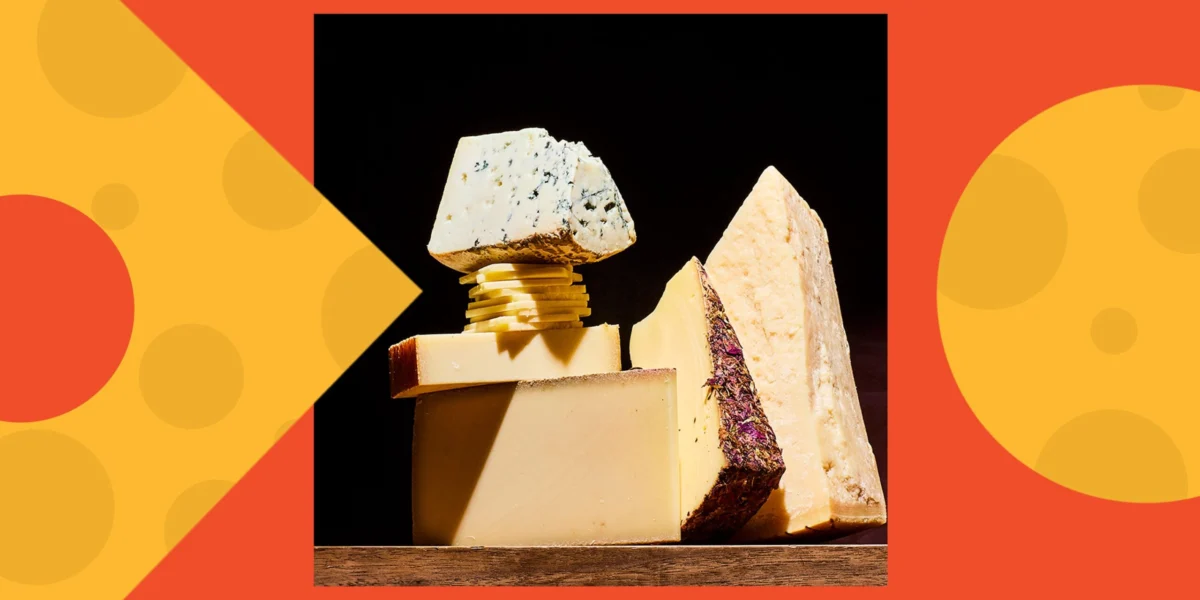
"When selected for quality and aged for complexity, real cheese transcends its reputation as a caloric indulgence to become one of the most bioavailable and satisfying sources of muscle-building protein in a modern diet."
While cheese has long been sidelined in health circles due to its caloric density and saturated fat content, a more nuanced understanding of the "cheese matrix"—the complex physical structure of dairy—reveals it to be a functional food of significant nutritional value. By shifting the focus from processed, shelf-stable spreads to aged, artisanal varieties, consumers can leverage high protein-to-weight ratios and essential minerals that support both metabolic health and muscle synthesis.

The Evolution of the Cheese Narrative
For decades, the dietary conversation surrounding cheese was dominated by a reductionist view of fat and sodium. However, contemporary nutritional science is increasingly recognizing that the health effects of a food cannot be determined by its isolated nutrients alone. The protein found in cheese is primarily casein, a slow-digesting protein that provides a steady release of amino acids into the bloodstream, making it an ideal choice for sustained satiety and overnight muscle recovery.
Furthermore, the aging process of cheese does more than just develop flavor; it fundamentally alters the nutritional profile. As cheese ages, moisture is lost, concentrating the protein and mineral content. Simultaneously, bacteria break down lactose, often making aged cheeses more tolerable for those with sensitivities. To maximize the health benefits of dairy, one must look toward varieties that offer high protein density—ensuring that a modest, two-ounce serving provides a significant nutritional payload.
1. The Complex Profile of Jasper Hill Farm’s Bayley Hazen Blue
Blue cheese is often polarizing, yet from a nutritional standpoint, it is a powerhouse of bioactivity. Bayley Hazen Blue, produced by the renowned Jasper Hill Farm in Vermont, represents the pinnacle of American blue cheese craftsmanship. This variety is made from high-quality raw milk, which preserves a diverse array of natural enzymes and microbes.

At 14 grams of protein per two-ounce serving, Bayley Hazen Blue rivals many lean meats in protein concentration. The "funk" associated with blue cheese is the result of Penicillium roqueforti, a mold that aids in the breakdown of fats into fatty acids, which may have unique anti-inflammatory properties. The creamy texture provides high sensory satisfaction, meaning a small amount goes a long way in curbing appetite. Pairing this with a whole-grain wheat cracker or crumbling it over a lean protein like buffalo chicken wings creates a meal that is as nutritionally dense as it is flavorful.
2. The Concentration of Flavor and Nutrients in Cabot Seriously Sharp Cheddar
Cheddar is perhaps the most recognizable cheese in the world, but the difference between "mild" supermarket cheddar and an aged "seriously sharp" variety is profound. Cabot Creamery’s Seriously Sharp Cheddar is aged for a minimum of 18 months. This extended maturation period is a process of concentration. As the cheese loses moisture, the protein molecules become more tightly packed.
Providing 14 grams of protein and 220 calories per two ounces, this cheddar is an efficient fuel source. The aging process also results in the breakdown of lactose into lactic acid, making it naturally lactose-free. Beyond the macros, aged cheddar is a significant source of calcium and Vitamin K2, a nutrient often overlooked that is essential for directing calcium to the bones rather than the arterial walls. The nutty, tangy profile makes it a versatile tool in the kitchen, particularly when melted over high-fiber vegetables or used in a protein-forward grilled cheese on sprouted grain bread.

3. The Alpine Standard: Le Gruyère
Hailing from the Swiss Alps, Le Gruyère is a protected designation of origin (AOP) cheese, meaning it must be produced according to strict traditional methods using milk from cows fed only on natural pasture. This commitment to quality results in a cheese that is exceptionally nutrient-dense. Gruyère is often cited by nutritionists as one of the best cheeses for athletes due to its high protein-to-fat ratio.
With 16 grams of protein per two-ounce serving, Gruyère outperforms most other semi-hard cheeses. It is also notably high in zinc and phosphorus. Its melting properties are legendary, making it a staple for savory dishes, but its nutritional value is best preserved when eaten with fresh, tart fruits like apples or pears. The fiber from the fruit combined with the slow-digesting casein in the Gruyère creates a blood-sugar-stabilizing snack that provides hours of energy.
4. Cave-Aged Complexity: Jasper Hill Farm’s Alpha Tolman
Alpha Tolman is an Alpine-style cheese made in the United States, specifically designed to showcase the terroir of Vermont. It is cave-aged, a process that allows for a controlled development of complex flavors ranging from roasted onions to clarified butter. This complexity is a marker of the intense fermentation occurring within the cheese.

Nutritionally, Alpha Tolman provides 14 grams of protein per two ounces. Because it is a "washed-rind" cheese, it develops a robust flavor profile that triggers the brain’s satiety signals more quickly than blander, processed cheeses. The presence of umami—the fifth taste—is particularly high in Alpha Tolman, which can help reduce overall calorie intake by making smaller portions feel more indulgent and satisfying.
5. Botanical Integration: Hofkäserei Kraus Alp Blossom
Innovation in the cheese world often involves looking back at traditional herbalism. Alp Blossom is a stunning example, where the rind is coated in a mixture of dried flower blossoms and herbs native to the Alpine meadows. While the blossoms are aesthetically striking, they also contribute subtle floral notes and phytochemicals to the cheese’s exterior.
Like its Alpine cousins, Alp Blossom delivers 14 grams of protein per two-ounce serving. The inclusion of edible botanicals adds a layer of complexity to the "cheese matrix," potentially offering trace antioxidants not found in standard dairy products. The savory, umami-rich paste of the cheese provides a stark contrast to the sweet floral rind, making it a centerpiece for a health-conscious charcuterie board that prioritizes whole, unprocessed ingredients.

6. The King of Protein: Parmigiano Reggiano (Aged 36 Months)
If there is a "superfood" in the dairy world, it is Parmigiano Reggiano. When aged for 36 months, this cheese becomes a concentrated brick of nutrition. The long aging process causes the protein to undergo proteolysis, breaking it down into smaller peptides and free amino acids. This makes the protein in Parmigiano Reggiano exceptionally easy for the body to absorb and utilize for muscle repair.
At a staggering 20 grams of protein per two-ounce serving, 36-month-aged Parmigiano Reggiano is the undisputed leader in protein density. It is also one of the richest dietary sources of the amino acid tyrosine, which is often visible in the cheese as small, crunchy white crystals. Tyrosine is a precursor to dopamine and norepinephrine, neurotransmitters that regulate mood and focus. Because the flavor is so intense—sharp, peppery, and deeply savory—a single "hunk" or a few shavings over a salad is often all that is needed to achieve flavor satisfaction and a significant protein boost.
Integrating High-Protein Cheese into a Balanced Diet
The key to utilizing cheese as a health food lies in the context of the overall diet. Because these cheeses are calorie-dense, they should be viewed as a primary protein source or a significant meal enhancer rather than a mindless snack. The "ultimate high-protein cheese board" described here is most effective when paired with high-fiber accompaniments: raw vegetables, nuts, and seeds.

Furthermore, the quality of the milk matters. Artisanal cheeses like those from Jasper Hill Farm or traditional European producers often use milk from grass-fed cows, which has a more favorable ratio of Omega-3 to Omega-6 fatty acids compared to grain-fed dairy. By choosing aged, real cheeses, consumers avoid the emulsifiers, artificial colors, and preservatives found in "cheese products," ensuring that every calorie consumed contributes to physiological well-being.
In conclusion, cheese is far more than a culinary indulgence. It is a sophisticated delivery system for high-quality protein, essential minerals, and bioactive compounds. By selecting varieties like Parmigiano Reggiano, Gruyère, and aged Cheddar, one can enjoy one of the world’s most ancient foods while supporting modern goals of muscle maintenance and metabolic health.