
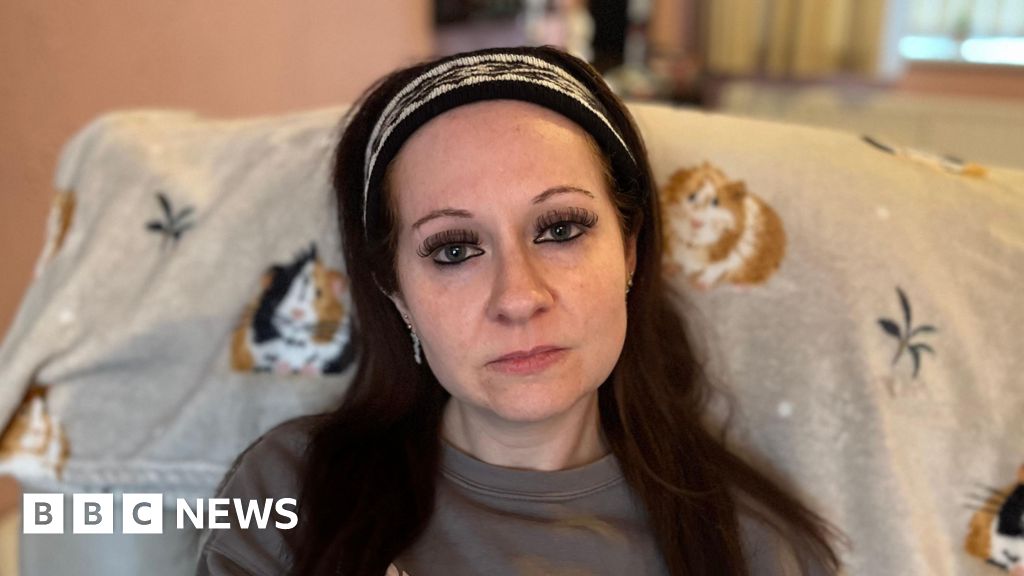
"The ease with which I purchased weight-loss injections online, despite a severe history of eating disorders, nearly cost me my life. This stark reality underscores a critical failure in regulation and highlights the urgent need for comprehensive medical oversight and robust support systems for those vulnerable to such products."
The harrowing experience of Emma Dyer, a 40-year-old from Carlton, Nottinghamshire, serves as a chilling testament to the dangers lurking within the burgeoning online market for weight-loss injections. Her story, marked by a near-fatal collapse and a relapse into severe eating disorders, illuminates a pressing public health crisis where accessible, unregulated pharmaceutical products are exploited by vulnerable individuals, often with devastating consequences. As millions across the UK turn to these powerful medications, experts and charities are sounding the alarm, demanding tighter controls and integrated care to prevent further harm and stem the rising tide of eating disorder referrals.
Emma’s journey into the perilous world of unregulated weight-loss injections began with a casual, yet deeply impactful, comment from a customer. Having previously battled anorexia and bulimia, she had, by her own account, achieved a healthy weight and stability in her life. However, the seemingly innocuous remark – "you looked a lot better when you were skinnier" – shattered her fragile equilibrium, reigniting the relentless grip of her past eating disorders. In a moment of desperation, driven by a desire to regain a perceived sense of acceptance and control, she turned to the internet.
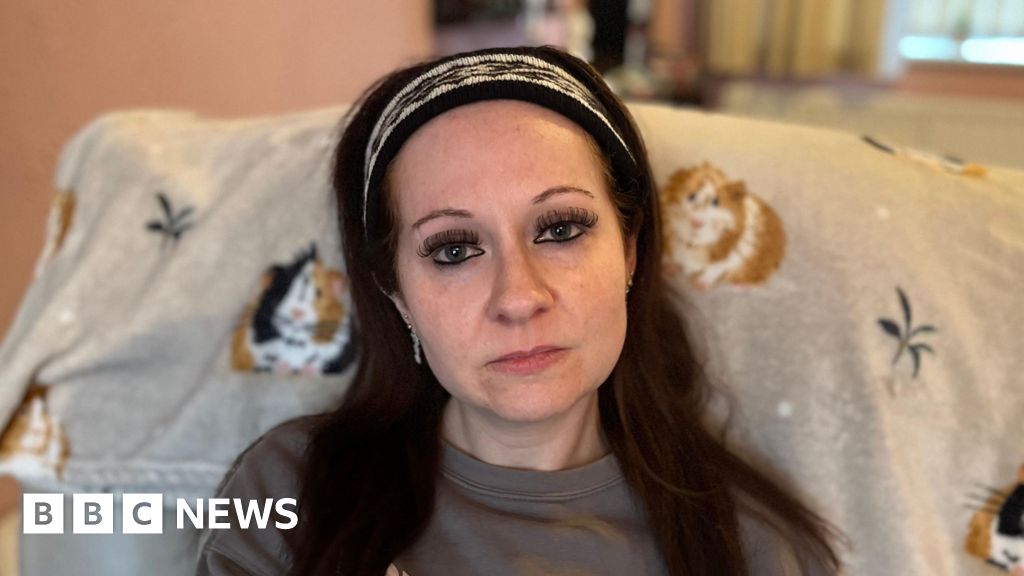
The process, Emma recalls, was alarmingly simple. A quick search for "weight-loss injections" led her to an online vendor where, for £115, she purchased what she believed to be Saxenda. Crucially, there were no medical consultations, no identity verification, and no inquiries into her extensive medical history, which included her long-standing struggles with anorexia and bulimia. The website merely requested her Body Mass Index (BMI), a figure she readily admits to fabricating. "It was just so easy – too easy," she laments. "They never asked for my medical history or what medication I was taking. It was like buying groceries." This alarming lack of safeguards allowed Emma, in a compromised mental state, to access a powerful drug that should only be administered under strict medical supervision.
Within days of receiving the injections in March 2024, Emma’s health plummeted. The instructions provided were "poorly printed," leading her to inject a medium dose rather than starting with a low, titrated amount as typically prescribed. The initial effect was a complete loss of appetite, which Emma, trapped in the mindset of her eating disorder, initially welcomed. However, on the second day, her body rebelled violently. She collapsed on her bathroom floor, incapacitated and terrified. "I couldn’t move, I couldn’t speak, I couldn’t open my eyes," she recounts. "I was hallucinating and throwing up so much I started vomiting blood. I literally thought, ‘this is it – this is how I’m going to die’."
Ashamed and isolated by her ordeal, Emma initially kept her experience a secret. "I know people would’ve said, ‘Emma, you don’t need to take them’. But in my head, I didn’t think I was fine. So I dealt with it all by myself." Her decision to share her story now is a courageous act, driven by a profound desire to prevent others from enduring similar suffering. Her harrowing account casts a stark light on the urgent need for greater awareness and more stringent regulation surrounding these increasingly popular weight-loss aids.
Emma’s experience is not an isolated incident but reflects a worrying national trend. Recent figures, estimated by researchers from University College London, suggest that approximately 1.6 million adults in the UK have used weight-loss injections in the past year. These drugs, primarily known as GLP-1 receptor agonists (like Mounjaro, Wegovy, and Saxenda), were originally developed for managing Type 2 diabetes but have gained significant traction for their efficacy in weight management. They work by mimicking a natural gut hormone, glucagon-like peptide-1 (GLP-1), which signals to the brain that the stomach is full, slows gastric emptying, and helps regulate blood sugar, ultimately leading to reduced appetite and calorie intake.

While highly effective for many, experts caution that these jabs are potent medications with a range of potential side effects, including nausea, vomiting, diarrhoea, constipation, and more severe complications such as pancreatitis, gallbladder issues, and even a theoretical risk of thyroid tumours in animal studies. Crucially, studies have also shown a significant risk of weight regain once the drugs are discontinued, highlighting the need for a comprehensive, long-term approach to weight management that includes sustained lifestyle changes and ongoing medical support.
NHS England has voiced significant concerns regarding the proliferation of these injections through unregulated channels. Dr. Claire Fuller, NHS England’s national medical director, stresses the dangers posed by "unverified sellers and the promotion of weight-loss jabs without clinical oversight, medical checks or follow-up care." She warns that "the lack of supervision can put people’s health at serious risk, and there may also be concerns about the quality or authenticity of the products on offer." Dr. Fuller unequivocally states that "weight-loss drugs are powerful medicines and can have serious side effects, which is why they must only be prescribed by an appropriately trained healthcare professional." The NHS emphasizes that legitimate access to such medication is always coupled with "behavioural support and wraparound care," focusing on good nutrition and increased physical activity to ensure holistic health outcomes.
The Medicines and Healthcare products Regulatory Agency (MHRA) has also published guidance on how to obtain GLP-1 medicines safely, advising consumers to purchase only from legitimate pharmacies that are registered with the General Pharmaceutical Council (GPhC) and require a valid prescription. However, the reality on the ground often diverges sharply from these guidelines.
Daniel Magson, CEO of First Steps ED, a Derby-based eating disorder charity, confirms that Emma’s story is indicative of a broader and deeply troubling pattern. "At the moment, we’re seeing a huge rise in people accessing weight-loss injections – some through pharmacies, some online, and in some cases even from their hairdressers," he reveals. "And they’re not getting the right support alongside them." The charity is witnessing a concerning trend where individuals are:

- Accessing medications without proper medical assessment or ongoing supervision.
- Experiencing significant physical and psychological side effects due to misuse or lack of appropriate care.
- Relapsing into or developing new eating disorders due to the rapid, uncontrolled weight loss and the focus on extreme body ideals.
The impact on support services is profound. First Steps ED has reported a sharp increase in referrals, with 1,339 adult referrals received in 2024-25, marking a 57% rise compared to 852 the previous year. Magson highlights the insidious effect of "shifting body ideals" propagated by the widespread use of these injections, which are "re-triggering people – including those who recovered decades ago." His fear is that mental health and eating disorder support services are being left to "pick up the pieces" of a public health issue that is rapidly escalating without adequate preventative measures.
Pharmacist Grace Pickering, working at Well Pharmacy in Alfreton, Derbyshire, echoes these concerns, having encountered numerous "quite worrying situations where people have shown me things that have not come from medical professionals." She warns of the grave risk that "if you get it from a non-reputable source, the medication might not be what it says it is," exposing users to counterfeit or unsafe substances. Pickering advocates for a universal standard of care, believing all providers should meet minimum requirements: "All we want is for the service to be led by a medical professional. Face-to-face consultations, regular check-ins, and instant support if patients need to talk about side effects."
Emma Dyer strongly concurs, arguing that her ordeal underscores the urgent necessity for more stringent regulation. She calls for comprehensive checks that go beyond a simple online questionnaire: "They should ask for photographic evidence, see the person, check their BMI, know what medication they’re on, ask for medical notes." Beyond the initial assessment, Emma stresses the importance of continuous care: "It’s not just about the checks – it’s before, during and after. You need that ongoing support."
Her voice, resonant with the pain of a near-fatal mistake, serves as a powerful cautionary tale. "It was the biggest mistake I’ve ever made," Emma reflects. "I spiralled back into my eating disorder. I nearly died. I wouldn’t wish it on anyone." As the popularity of weight-loss injections continues to soar, Emma’s story, amplified by the warnings from medical professionals and eating disorder charities, demands immediate attention and a concerted effort to implement robust regulatory frameworks and integrated care pathways to protect vulnerable individuals from the profound dangers of unsupervised and unregulated access to powerful prescription medications.