
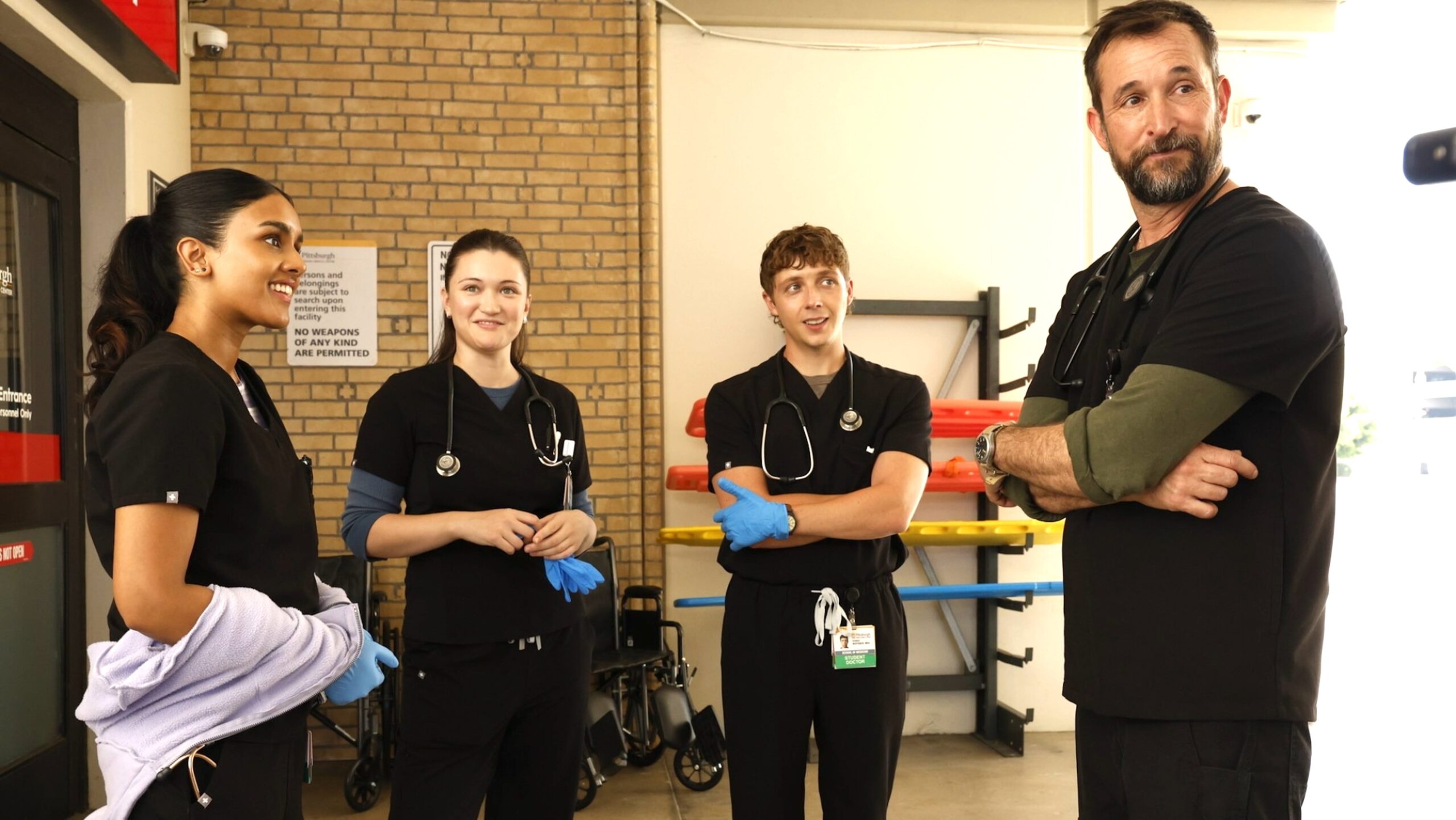
"By merging the high-octane urgency of real-time storytelling with the visceral complexities of modern medicine, The Pitt has successfully captured the fractured attention of the streaming era, transforming the traditional procedural into a high-stakes television event."
The cultural landscape of the 21st century is defined by an overabundance of content and a subsequent decline in sustained audience focus, yet HBO Max’s The Pitt has defied these trends by demanding absolute viewer engagement through its innovative "real-time" format. Unlike traditional medical dramas that utilize time jumps to skip over the mundane, The Pitt chronicles every minute of a grueling hospital shift, creating a claustrophobic and exhilarating atmosphere that mirrors the true pressure of emergency medicine. As the series returns for its second season following a sweep of major Emmy Awards—including Best Drama and acting honors for Noah Wyle and Katherine LaNasa—it solidifies its position as a transformative force in the genre, blending the technical precision of a clinical procedural with the relentless pacing of a ticking-clock thriller.
The Innovation of Real-Time Storytelling in Medicine
The primary architectural feat of The Pitt is its commitment to the "real-time" gimmick, a narrative device famously pioneered by the action series 24. In the context of a medical drama, this choice serves a deeper purpose than mere stylistic flair. In an emergency room setting, the "Golden Hour"—the period of time following a traumatic injury during which there is the highest likelihood that prompt medical and surgical treatment will prevent death—is a literal ticking clock. By capturing the action in real-time, the show strips away the artifice of television editing, forcing the audience to experience the fatigue, the split-second decision-making, and the logistical hurdles faced by healthcare professionals in Pittsburgh.
This immersive approach has resonated deeply with a modern audience whose attention is often divided. While many contemporary shows are designed for "second-screen" viewing, The Pitt creates a narrative environment where missing ten minutes means missing a critical physiological shift in a patient or a subtle breakdown in staff communication. This "appointment viewing" energy helped the show build a massive grassroots fanbase during its 15-week inaugural season, eventually leading to critical acclaim and industry dominance.
Award-Winning Pedigree and Character Evolution
The success of The Pitt is inextricably linked to its central performances. Noah Wyle, who portrays Dr. Robby, has achieved a rare feat in television history: redefining his association with medical dramas for a new generation. His Emmy win for Best Actor underscores a performance that is both weary and authoritative, portraying a man who is the intellectual anchor of a chaotic environment. In Season 2, Dr. Robby is positioned at a crossroads, beginning the season on his final day before a planned three-month sabbatical. This narrative choice adds a layer of "last day" tension to an already volatile July 4th holiday shift.
Complementing Wyle is Katherine LaNasa, whose Emmy-winning turn as Nurse Dana provides the series with its emotional and tactical backbone. After a period of absence, Dana’s return in Season 2 brings a sense of much-needed stability to the unit, even as the personal lives of the staff remain in flux. The chemistry between the veteran staff and the rotating door of residents and specialists creates a friction that drives the show’s interpersonal drama.
Season 2: A New Landscape in Pittsburgh
Season 2 of The Pitt begins nearly a year after the traumatic events that concluded the first season. The setting—a sweltering July 4th in Pittsburgh—serves as more than just a backdrop; it is a catalyst for the medical cases that flood the ER. Holiday shifts in major metropolitan hospitals are notoriously difficult, involving a surge in fireworks-related injuries, heatstroke, and alcohol-related trauma. By placing the season premiere on this specific date, the showrunners have maximized the potential for chaos.
The premiere finds the characters in significantly altered circumstances. While Dr. Robby prepares for his exit, Dr. Langdon, played by Patrick Ball, makes a controversial return. Langdon’s Season 1 arc, which involved the theft of patient prescription drugs, remains a point of heavy contention among the staff. His reintegration into the team explores themes of restorative justice and the precarious nature of professional trust in a high-stakes environment.

The introduction of Dr. Baran Al-Hashimi, portrayed by Sepideh Moafi, adds a fresh ideological conflict to the series. As the physician slated to fill in during Robby’s sabbatical, Al-Hashimi represents a different philosophical approach to medicine. The "sparks flying" between her and Robby are not merely romantic tropes but intellectual clashes over patient care, resource allocation, and the ethics of emergency intervention. This clash of titans ensures that even as familiar faces like Dr. Collins (Tracy Ifeachor) depart the main cast, the internal dynamics of the hospital remain compelling.
Technical Precision and Production Values
Beyond the acting, The Pitt is lauded for its technical accuracy. The production utilizes medical consultants to ensure that the jargon, the procedures, and the chaotic "flow" of the ER are as realistic as possible. This commitment to realism extends to the cinematography, which often employs long takes and handheld camera work to maintain the real-time illusion. The viewer is rarely allowed a moment of reprieve, as the camera follows characters from the ambulance bay to the surgical suites without the comfort of a commercial-style transition.
The Pittsburgh setting also provides a unique aesthetic. Moving away from the gloss of Los Angeles or the over-saturated markets of New York and Chicago, The Pitt leans into the blue-collar, industrial identity of its host city. The hospital feels like a lived-in institution, struggling with the same budgetary and systemic issues facing real-world American healthcare facilities.
The Road Ahead: The Season 2 Schedule
As Season 2 progresses, the "real-time" clock continues to tick toward the evening hours of July 4th. With eight episodes already released, the narrative has covered the morning and early afternoon, from 7:00 AM to 2:00 PM. The remaining seven episodes promise to cover the peak of the holiday festivities, where the influx of patients typically reaches its zenith.
The upcoming Episode 9, titled "3:00 PM," is scheduled to debut on Thursday, March 5, at 9:00 PM EST on HBO Max. This episode is expected to bridge the gap between the afternoon lull and the evening rush, further exploring the tension between Dr. Robby and Dr. Al-Hashimi as the clock winds down on Robby’s tenure.
Complete Release Schedule for Season 2:
The following schedule outlines the remaining real-time hours of the July 4th shift. Each episode corresponds to one hour of the day, maintaining the 15-episode structure established in the debut season.
- Episode 1, "7:00 AM" – Available for streaming
- Episode 2, "8:00 AM" – Available for streaming
- Episode 3, "9:00 AM" – Available for streaming
- Episode 4, "10:00 AM" – Available for streaming
- Episode 5, "11:00 AM" – Available for streaming
- Episode 6, "12:00 PM" – Available for streaming
- Episode 7, "1:00 PM" – Available for streaming
- Episode 8, "2:00 PM" – Available for streaming
- Episode 9, "3:00 PM" – Streaming March 5
- Episode 10, "4:00 PM" – Streaming March 12
- Episode 11, "5:00 PM" – Streaming March 19
- Episode 12, "6:00 PM" – Streaming March 26
- Episode 13, "7:00 PM" – Streaming April 2
- Episode 14, "8:00 PM" – Streaming April 9
- Episode 15, "9:00 PM" – Streaming April 16
Conclusion: The Future of Prestige Procedurals
The Pitt represents a significant shift in how streaming platforms approach procedural dramas. By infusing the format with the "prestige" elements of high-concept thrillers and award-caliber acting, HBO Max has found a way to make the medical drama feel urgent again. The show does not rely on soap-operatic twists or improbable medical miracles; instead, it finds its drama in the relentless passage of time and the human cost of a career dedicated to saving lives. As Season 2 enters its final act, the stakes for Dr. Robby and his team have never been higher, proving that in the world of The Pitt, every second truly counts.