
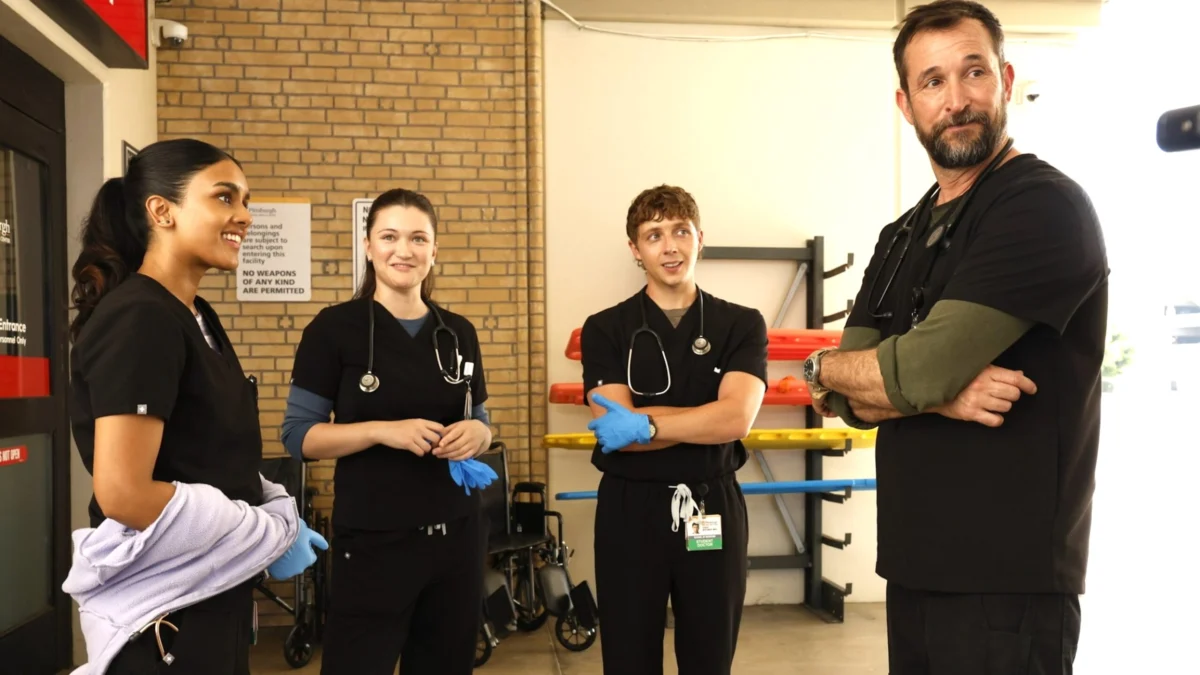
By merging the high-stakes urgency of "24" with the emotional gravity of a prestige medical procedural, "The Pitt" has transformed the landscape of streaming dramas, securing its place as a critical and commercial powerhouse. This series represents a significant shift in television storytelling, utilizing a real-time format to capture the relentless pressure of a Pittsburgh emergency room while exploring themes of professional redemption, systemic burnout, and the volatile nature of modern healthcare.
In an era of digital distraction and fractured attention spans, the television landscape has often leaned toward "second-screen" content—shows designed to be consumed while scrolling through phones or multitasking. However, HBO Max’s "The Pitt" has defied this trend by demanding absolute, undivided attention. As a fast-paced, high-octane medical drama, the series has successfully revived the urgency of the genre, proving that audiences still crave narratives that move at a "million miles an hour." After a slow-burn first season that meticulously built a loyal fanbase over 15 weeks, the show transitioned from a cult hit to a dominant force at the Emmy Awards. With major wins for Best Drama, Best Actor for Noah Wyle, and Best Supporting Actress for Katherine LaNasa, "The Pitt" entered its second season not just as a returning favorite, but as the gold standard for contemporary television production.
The defining characteristic of "The Pitt" is its innovative "real-time" structural gimmick. While the medical drama is a staple of the medium, the show differentiates itself by adopting a format popularized by the action thriller "24." Every minute that passes in the episode corresponds to a minute in the lives of the characters, creating a claustrophobic and immersive experience. This format strips away the traditional "time jumps" common in hospital shows, where patients recover between scenes or shifts end off-camera. In "The Pitt," the audience witnesses every frantic decision, every mechanical failure, and every emotional breakdown in the exact moment they occur. This structural choice positions Dr. Robby, portrayed by Noah Wyle, as a medical equivalent to Jack Bauer—a man constantly racing against the clock, where the stakes are measured in heartbeats rather than national security threats.
Season 2 arrives with the weight of high expectations, picking up nearly a year after the tumultuous events of the first season finale. The setting is July 4 in Pittsburgh, a choice that carries significant narrative weight. In the world of emergency medicine, major holidays—particularly those involving fireworks, alcohol, and large public gatherings—are notoriously chaotic. By setting the season on Independence Day, the writers have created a pressure cooker environment that tests the staff’s limits from the opening frame. The premiere, titled "7:00 AM," establishes a new status quo for the ensemble cast, placing beloved characters in precarious and unfamiliar situations that challenge their professional ethics and personal resilience.
Central to the tension of the new season is the impending departure of Dr. Robby. As the season begins, he is navigating his final day before a planned three-month sabbatical. For a character who has been the anchor of the emergency department, his looming absence creates a power vacuum and a sense of desperation. This transition is further complicated by the introduction of Dr. Baran Al-Hashimi, played by Sepideh Moafi. Al-Hashimi is slated to fill Robby’s role during his leave, and the friction between the two is immediate. Their conflicting medical philosophies and differing approaches to patient care provide a secondary layer of conflict that rivals the external medical emergencies they face. The "sparks" that fly between these two characters serve as a catalyst for deeper explorations of how modern medicine should be practiced in a high-stress, resource-thin environment.
While the show introduces new faces, it also deals with the complex returns of established characters. Patrick Ball’s Dr. Langdon returns to the hospital after a disgraceful exit in Season 1, where he was caught stealing prescription medication from patients. His reintegration into the team offers a nuanced look at addiction within the medical community and the difficult path to professional redemption. Similarly, Nurse Dana, played by the Emmy-winning Katherine LaNasa, returns from a hiatus, bringing her seasoned authority back to a floor that desperately needs it. The supporting cast—including characters like Whitaker, Jevadi, Dr. Mohan, and Dr. McKay—find themselves in varying degrees of transition, ensuring that the show’s "real-time" focus is spread across a diverse range of perspectives and subplots.

The departure of Dr. Collins, played by Tracy Ifeachor, from the main cast marks a significant shift in the show’s chemistry. However, "The Pitt" uses this vacancy to tighten its focus on the remaining staff and the new dynamic between Robby and Al-Hashimi. This rotation of personnel mirrors the reality of actual emergency departments, where burnout is high and staff turnover is a constant challenge. By grounding the show’s drama in these systemic realities, the creators have elevated "The Pitt" beyond a mere procedural, turning it into a commentary on the state of the American healthcare system.
The production’s commitment to its Pittsburgh setting also adds a layer of grit and authenticity. The city’s industrial history and unique geography provide a backdrop that feels distinct from the polished, often generic hospital settings of Los Angeles or New York-based dramas. The "Pittsburgh" of the show is a character in itself—a city of bridges and tight-knit neighborhoods that faces specific urban challenges, all of which bleed into the ER. This sense of place, combined with the real-time format, creates a visceral experience that makes the viewer feel like an observer on the hospital floor rather than a distant spectator.
As Season 2 progresses, the weekly release schedule on HBO Max has become an event for fans. Unlike the "binge-watch" model, the staggered release allows the tension of each hour to breathe, giving the audience time to dissect the medical ethics and character choices presented in each episode. With the first ten episodes already available, the season is currently entering its final act. The remaining five episodes promise to conclude the 15-hour "day" that began at 7:00 AM, leading toward what many expect to be an explosive finale at 9:00 PM.
For those tracking the remaining schedule, the rhythm of the season remains consistent. The next installment, Episode 11, titled "5:00 PM," is scheduled to debut on Thursday, March 19, at 9:00 PM EST. This will be followed by weekly releases leading up to the season finale on April 16. Each episode title corresponds to the specific hour of the day being depicted, maintaining the show’s rigid adherence to its real-time conceit.
The Complete Remaining Schedule for "The Pitt" Season 2:
- Episode 11, "5:00 PM" – March 19
- Episode 12, "6:00 PM" – March 26
- Episode 13, "7:00 PM" – April 2
- Episode 14, "8:00 PM" – April 9
- Episode 15, "9:00 PM" – April 16 (Season Finale)
Ultimately, "The Pitt" succeeds because it respects the intelligence and the time of its audience. It understands that in a world of constant stimulation, the only way to truly capture attention is through relentless quality and innovative structure. By placing veteran actors like Noah Wyle back in the medical environment that made them famous, while simultaneously subverting the tropes of that very genre, HBO Max has created a series that is both nostalgic and revolutionary. As the clock continues to tick toward the 9:00 PM finale, "The Pitt" remains a mandatory viewing experience for anyone interested in the pinnacle of modern television drama.