
"While a new device promises relief from opioid withdrawal, its rapid adoption with settlement funds sparks debate about evidence-based treatment and the potential for exploitation within the crisis response."
The burgeoning field of addiction treatment is witnessing the emergence of novel technologies, with one such device, the Neuro-Stimulation Therapy (NET) device, gaining significant traction. This cellphone-sized apparatus, which delivers low-level electrical pulses to the brain via electrodes near the ear, is being pitched as a groundbreaking solution for opioid withdrawal symptoms. Its adoption, particularly in Kentucky, is being fueled by substantial opioid settlement funds – money allocated to combat the devastating opioid crisis. However, this rapid proliferation has ignited a critical discussion among researchers and recovery advocates, who caution against the uncritical embrace of unproven technologies and highlight the potential for these solutions to capitalize on desperation and settlement windfalls, echoing past controversies surrounding similarly hyped products.
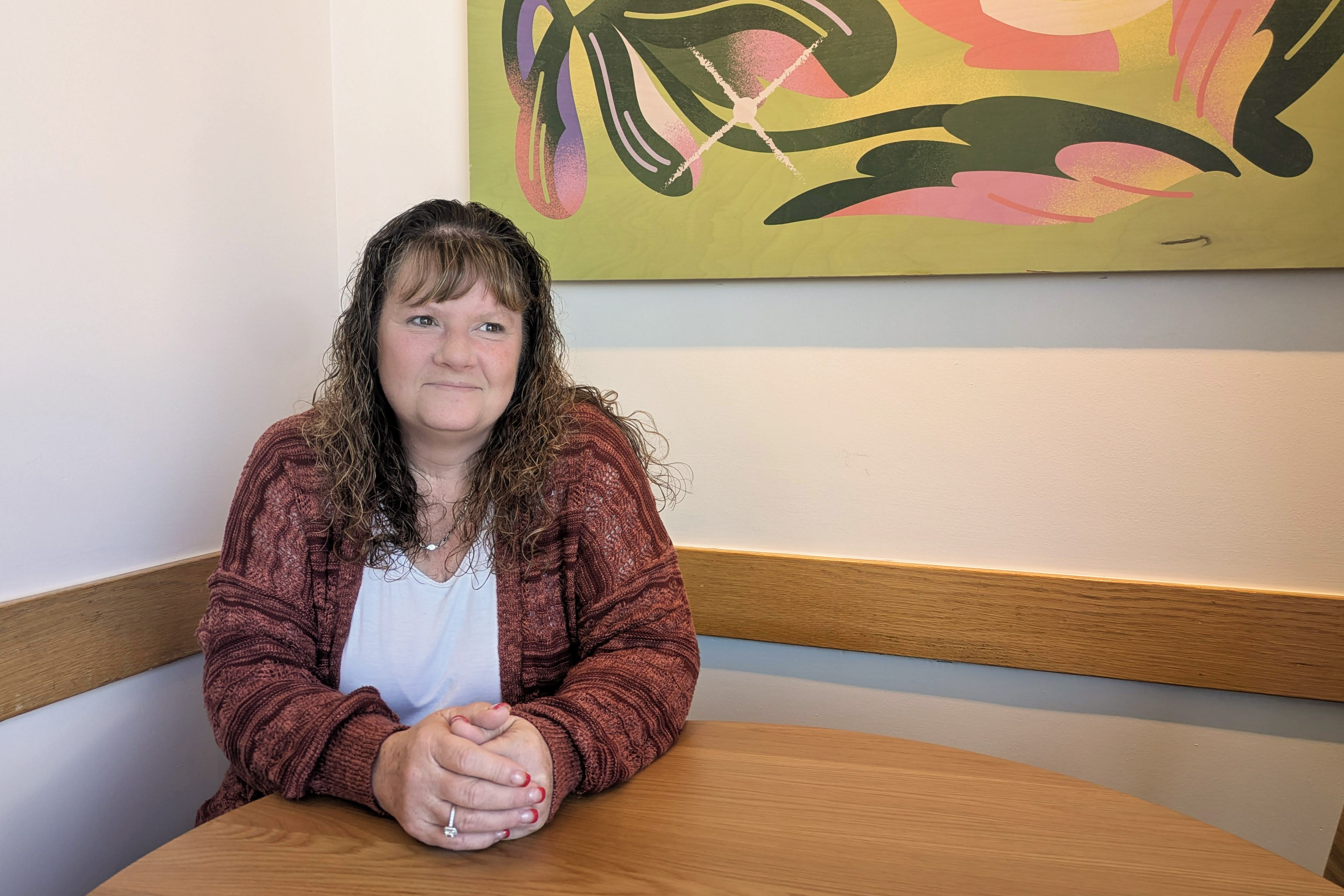
Michelle Warfield’s journey exemplifies the profound impact of the opioid crisis and the desperate search for relief. In the early 2000s, her life in Louisville, Kentucky, was physically demanding, working in a factory assembling Ford truck seats. The daily toll on her back and hips led her doctor to prescribe opioid painkillers. Initially effective, these medications eventually led to a severe struggle with walking by 2011, by which time Warfield acknowledges she was addicted. The loss of her health insurance compounded her challenges, forcing her to seek pills on the illicit market. Repeated attempts to quit were thwarted by debilitating withdrawal symptoms, described as so severe she was unable to leave her bed, propelling her back into drug use.

A turning point arrived last year when Warfield discovered the NET device through her church. This technology, comprising a compact unit connected to gel electrodes placed near the ear, transmits low-level electrical pulses to the brain. Warfield reports a remarkable immediate effect: "Once I got set up on the device, within 30 minutes, I didn’t have any cravings for opioids." After just three days of use in August, she claims to have ceased all drug use. Her treatment was financed by her county’s share of opioid settlement dollars, funds derived from legal actions against pharmaceutical companies accused of fueling the addiction epidemic.
Across the nation, state and local governments are poised to receive billions of dollars over two decades from these opioid settlements, with the explicit mandate to allocate these funds towards addiction treatment and prevention. Warfield is a vocal proponent for substantial investment in the NET device, which carries a cost of approximately $5,500 per person for counties. This advocacy appears to be resonating; NET Recovery, the manufacturer of the device, reports having secured contracts totaling around $1.2 million with over a dozen municipalities and counties in Kentucky.
However, this rapid acquisition of opioid settlement funds by NET Recovery has raised significant concerns among some researchers and recovery advocates. They perceive the NET device as the latest in a line of products presented as panaceas for the addiction crisis, potentially exploiting the desperation of individuals and capitalizing on the financial windfall from opioid settlements. This pattern is not unprecedented. Numerous products, ranging from high-dose overdose reversal medications to specialized equipment for correctional facilities like body scanners, have been marketed with grand promises that lack robust scientific evidence. Despite this, sales representatives have been actively lobbying elected officials and providing ready-made proposals to secure settlement funds for their respective products.
A pertinent historical parallel is the case of the "Bridge" device, a similar technology that gained prominence several years ago and received over $215,000 in opioid settlement funding nationwide. However, significant questions emerged regarding the validity of the study supporting its efficacy, leading to its removal from the market. Tricia Christensen, a national expert on opioid settlements based in Tennessee, views NET Recovery’s current trajectory as consistent with these "national trends of industry money grabs." While acknowledging that the device "could be helpful for some," she cautions that "it’s being sold as a silver bullet." This sentiment is echoed in a roadmap published this year by 237 organizations dedicated to ending overdose, which identifies the NET device as an example of problematic spending on unproven treatments.
The U.S. Food and Drug Administration (FDA) has cleared the NET device specifically for the purpose of reducing drug withdrawal symptoms, not for the treatment of addiction itself. This distinction is crucial, according to Eric Hulsey, executive director of the Institute for Research, Education and Training in Addictions. Hulsey, who co-authored a recent report evaluating neuromodulation devices like NET, explains that the term "treatment" can be misleading, as these devices are cleared for managing withdrawal symptoms, not for treating opioid use disorder as a comprehensive condition.
Joe Winston, CEO of NET Recovery, asserts that the company adheres to FDA regulations and markets the device solely for withdrawal management. He notes, however, that physicians are increasingly prescribing it for long-term behavioral management, citing the results of a company-funded study published in October. This study, which followed two groups of addiction patients in Kentucky for 12 weeks, found no statistically significant difference in outcomes between those who received the NET device for up to seven days and those who received a sham treatment. Participants in both groups were equally likely to use illicit drugs post-treatment. Hulsey, who was not involved in the study, interprets this as evidence that the device was not found to be effective.
However, a specific subgroup within the study, those who opted to use the NET device for more than 24 consecutive hours, did report using illicit drugs less frequently than other participants. The study authors themselves acknowledged that this subgroup might have been more motivated towards any form of treatment, suggesting that the observed difference might not be directly attributable to the device’s efficacy. Winston, conversely, highlights this subgroup’s success as "intriguing and outstanding."
This perceived success has spurred NET Recovery’s expansion. The company is opening a brick-and-mortar facility in Miami, offering the device for $8,000 out-of-pocket, a price point higher than that offered to county governments. Furthermore, NET Recovery has applied for state opioid settlement funds in Kentucky to conduct a larger research study and aims to introduce the NET device in metropolitan areas like Louisville and Lexington. The company has also hired Kelly Dycus, a magistrate in Franklin County, Kentucky, and a mental health clinician, to lead its operations in the state. Dycus’s role involves promoting the device to officials and encouraging them to contract with NET Recovery. Notably, her county had already awarded $75,000 to NET Recovery before her employment. Dycus has stated her intention to recuse herself from any future contract votes within her county. Christensen, the opioid settlement expert, described Dycus’s new position as "extremely strategic" for NET Recovery and an "obvious conflict of interest" for a public official.

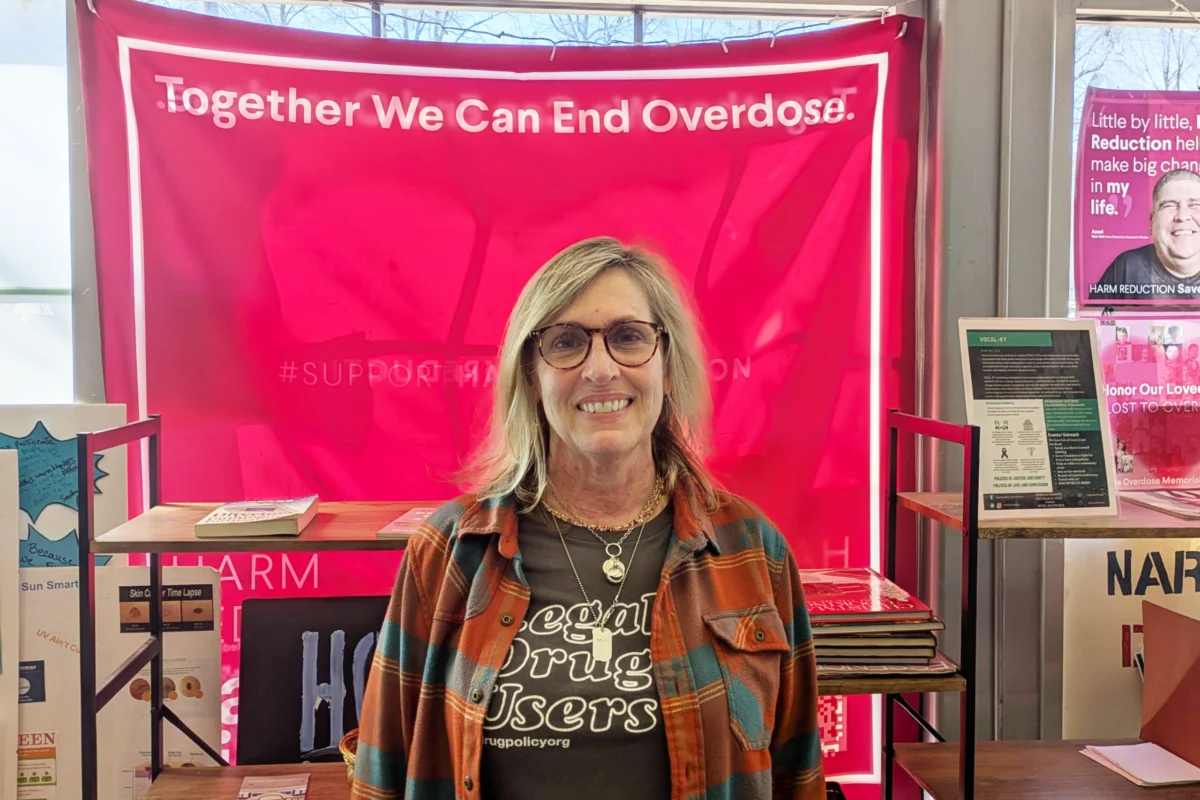
Jennifer Twyman, who has personal experience with opioid addiction and now works with Vocal-KY, an advocacy group, believes that expanding recovery options is generally beneficial. However, she expresses concern that investing finite settlement funds in novel products like the NET device diverts resources from established and evidence-based services such as mental health treatment, housing assistance, and transportation programs – critical components for many individuals struggling with addiction. "People slip through these big, huge gaps we have and they die," Twyman stated, highlighting the critical need for comprehensive support systems. She also emphasizes the importance of medications like methadone and buprenorphine, considered the gold standard for treating opioid addiction, noting that national data indicates only one in four individuals with opioid addiction receive them. Access to these medications is often hindered by cost, lack of prescribing physicians, or transportation issues. Furthermore, individuals receiving medication-assisted treatment (MAT) can face stigma and discrimination, with critics wrongly asserting that they are merely substituting one drug for another.
Twyman suggests that companies like NET Recovery sometimes exploit this stigma. Derran Broyles, jailer of Scott County, Kentucky, and considered a key supporter of the NET device by the company, has publicly stated that medication treatment is merely "swapping one drug for another." This viewpoint, while common among critics, is refuted by many researchers and clinicians who emphasize that MAT is a medically recognized and effective treatment for opioid use disorder. Winston of NET Recovery maintains that his company supports all recovery pathways but believes the NET device can serve an "underserved population" of individuals who are hesitant to use medication.
Mark Greenwald, a seasoned addiction researcher who has conducted studies for NET Recovery and consults for Indivior, a leading producer of medications for opioid use disorder, sees value in both approaches. He suggests that the optimal treatment depends on the individual. For those who inject drugs or have a history of high fentanyl use, who are at higher risk of relapse after residential treatment, Greenwald expresses reservations about recommending the NET device, as abstinence-based approaches can increase their risk of mortality. However, for individuals "highly motivated to stay abstinent," he believes the NET device could be a suitable option. "Giving people choices is the right thing to do," he concluded.
Warfield, who has maintained her sobriety since August, emphasizes that her recovery is not solely attributed to the NET device but also to the robust support of her community. She describes the device as "not a miracle cure" but something that makes managing triggers "easier." She actively participates in individual and group therapy to address childhood trauma, has cultivated strong friendships within her church, and has reconnected with her daughter. Her commitment to her recovery is evident in her practical actions, such as installing a car seat to drive her grandson to preschool. Warfield’s plea for opioid settlement funds to benefit others in her community is simple yet profound: "I want people to get as much help as they can." This sentiment underscores the ongoing challenge of ensuring that settlement funds are directed towards effective, evidence-based interventions that offer comprehensive support for individuals navigating the complexities of addiction.