
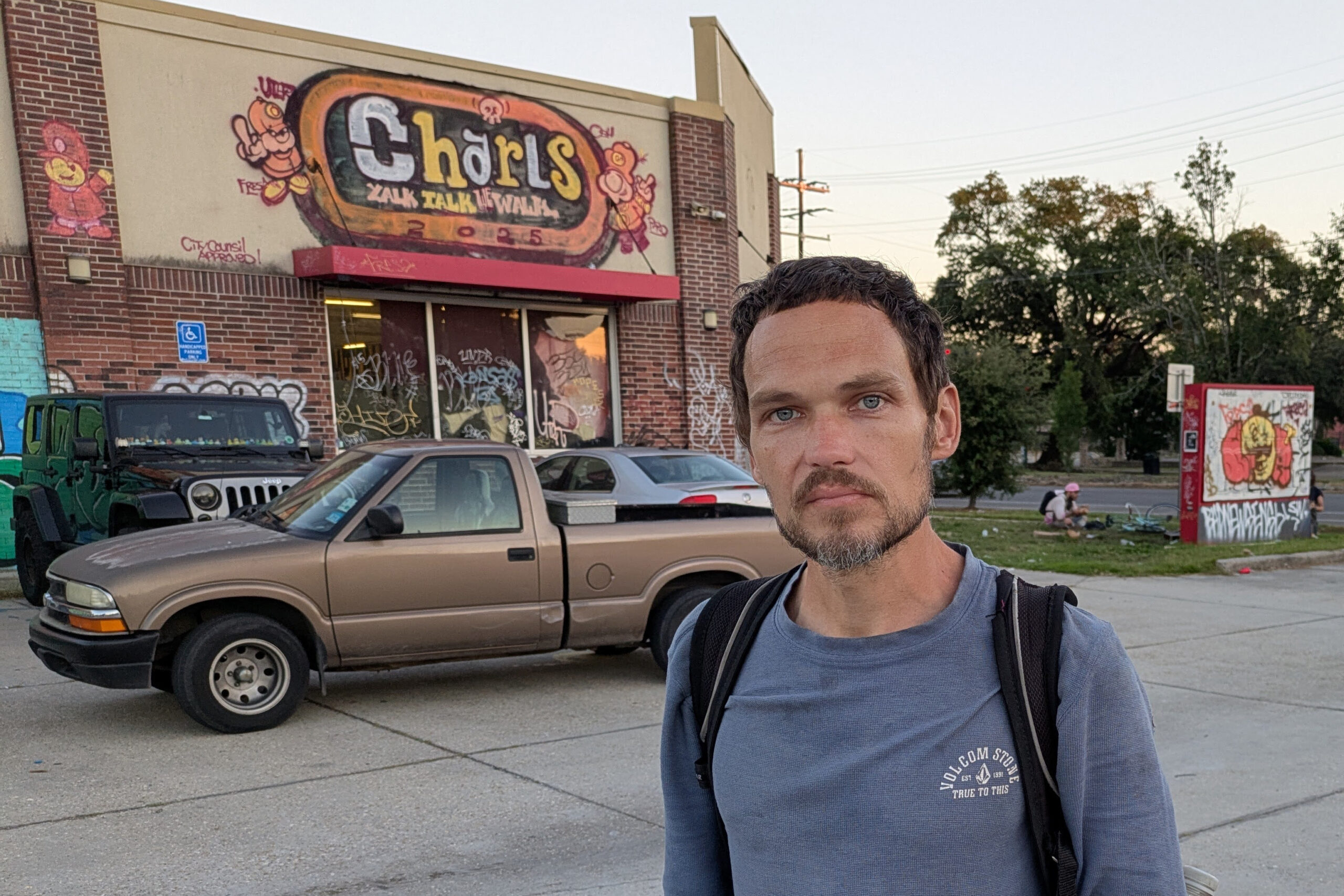
"We’re just going to make sure that we’re supporting the community," says Dan Bingler, manager of the Fred Hampton Free Store, a radical community center in New Orleans’ 9th Ward. This humble space, born from mutual aid and volunteerism, is providing essential services and a vital sense of belonging for vulnerable populations, standing as a powerful counterpoint to federal policies that have increasingly marginalized those struggling with homelessness and substance use.
From the outside, the former Family Dollar store in New Orleans’ 9th Ward presents a stark picture of urban decay. Graffiti covers its walls, and the parking lot is littered with aluminum cans and debris. It sits on a street lined with vacant lots and dilapidated buildings, tangible symbols of the persistent devastation this neighborhood, one of the city’s poorest, has endured since Hurricane Katrina. Yet, within these unassuming walls, a different reality unfolds. Inside, the space transforms into a welcoming haven. Delicate hanging lights illuminate shelves stocked with donated clothing. Repositories overflow with children’s books, allergy medication, and essential personal hygiene items. Separated by curtains, a lounge area boasts a stage for musicians and a neon roller-skate sign, a beacon for the weekly free skate nights. This multifaceted establishment functions as a free thrift store, an over-the-counter pharmacy, a venue for punk concerts, and, in its entirety, a "radical community center," according to its administrator, Dan Bingler.
Bingler, a seasoned waiter and bartender in the city, is also the founder of the Greater New Orleans Caring Collective, a mutual aid organization. He explained that the building’s owners permit him to utilize the space under the condition that he covers the costs of water, electricity, and trash collection. On Monday afternoons, volunteers from various community organizations converge at the center. Some of these groups previously operated from the very parking lot before Bingler established the indoor hub. They offer a range of crucial services, including free testing for sexually transmitted infections, basic medical care, hot meals, sterile syringes, and other supplies for individuals who use drugs. Bingler’s stated purpose for the center is straightforward: "We’re just going to make sure that we’re supporting the community."
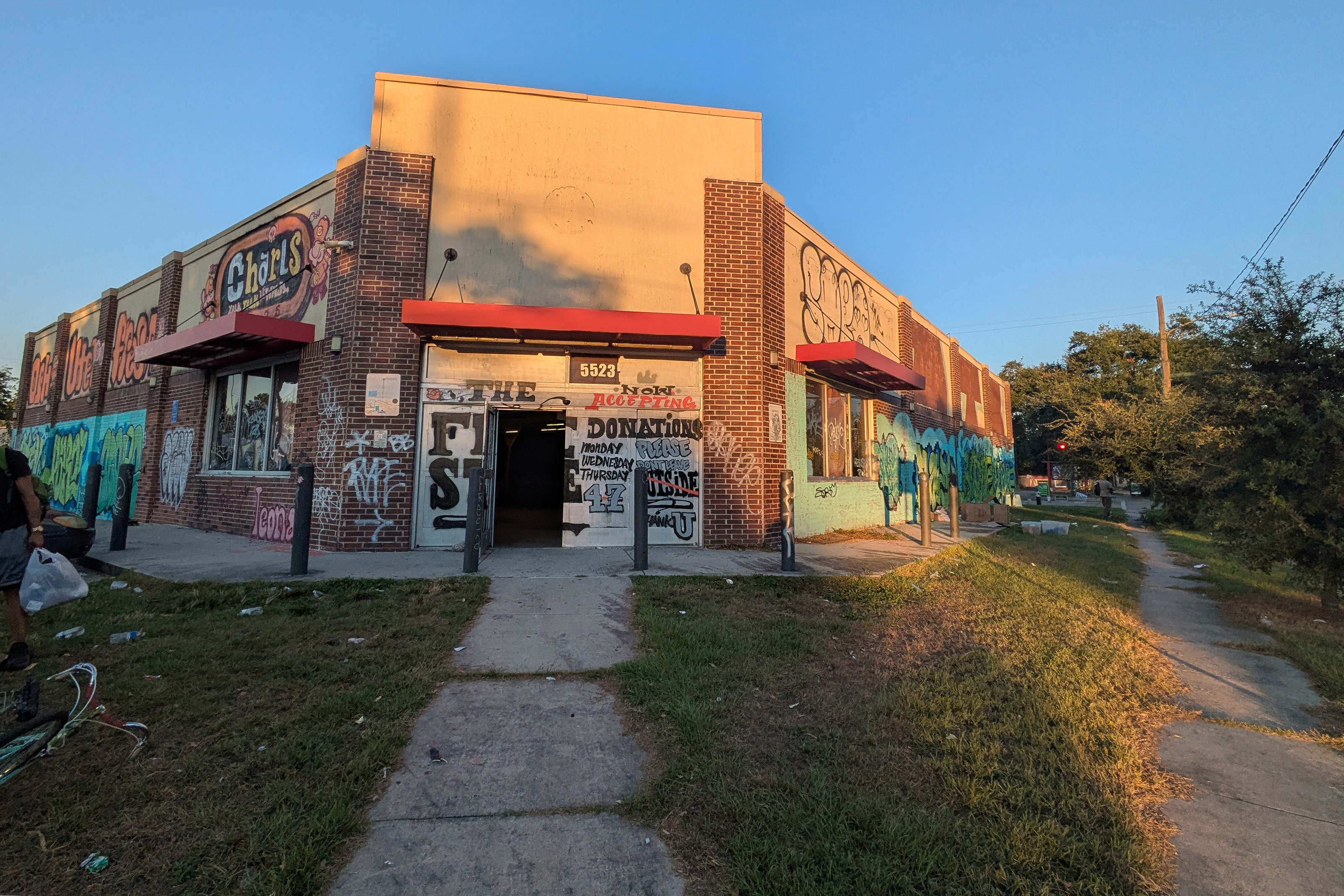
While the Fred Hampton Free Store has been operating for several years, its significance has amplified considerably in recent months. This heightened importance is directly linked to the Trump administration’s efforts to reduce funding for many social service organizations and its increasingly aggressive stance towards individuals experiencing homelessness and substance use disorders. In Washington D.C., the administration has overseen the demolition of tent encampments, aiming to displace unhoused individuals and compel them to leave the city. On a national level, there have been calls to mandate treatment for individuals struggling with substance use and mental health issues. Furthermore, the administration has signaled a departure from harm reduction strategies – public health interventions designed to protect people who use drugs and save lives, though criticized by some as encouraging illicit substance use.
The Fred Hampton Free Store, named in honor of the influential Black Panther Party activist Fred Hampton, a figure renowned for his efforts to unite diverse groups in pursuit of social reform, serves as a sanctuary against these shifting political tides. Bingler emphasized that the center receives no federal funding, nor does it rely on state or local grants or foundation money. "It’s just neighbors helping neighbors," he stated, his voice thick with emotion, adding, "It’s a really beautiful thing to be able to share this space." All the items available at the store are donations from individuals or community organizations. Bingler recalled one instance where a local hotel undergoing renovations donated 50 flat-screen televisions. He noted that on evenings when the store is open, upwards of 100 people typically seek its services.
One crisp autumn evening, dozens of individuals were present, browsing for free clothing and over-the-counter medications. Others sat on the grass, engaged in conversation while keeping a watchful eye on their bicycles or shopping carts laden with their possessions. James Beshears, who uses sterile supplies obtained from the harm reduction group operating in the parking lot for his heroin and fentanyl use, paused to receive his supplies. He shared that he had been in treatment for years but relapsed when his doctor moved and referred him to a clinic that charged $250 per day. The cost of street drugs, he noted, was significantly lower than that of treatment. Beshears expressed a desire to stop using drugs but finds it challenging to access affordable medical care. He believes that places like the free store are crucial for his survival. "I’d have one foot in the grave" without it, he stated.
Nearby, another man in the parking lot awaited Aquil Bey, a paramedic and former Army Special Forces member known for assisting individuals in navigating obstacles to healthcare access. Upon spotting Bey’s black van, the man hurried over. "I’ve got stage 4 kidney disease," he informed Bey, explaining that he had hospital appointments but struggled with transportation. "Do me a favor," Bey responded as he began unloading folding tables and medical equipment from his vehicle. "When our team gets here, come see us. Maybe we can get you transportation." Bey is the founder of Freestanding Communities, a volunteer-run organization that provides free basic medical care and referrals to individuals experiencing homelessness, substance use, or belonging to other vulnerable communities. This group maintains a consistent presence at the free store.

On this particular day, Bey and his team connected the man with kidney disease to low-cost transportation programs. They also conducted blood pressure and blood sugar checks, treated infected wounds, and made calls to clinics on behalf of patients without phones. A man with a leg injury mentioned that he was sleeping on the concrete floor of an abandoned naval base. Bey noticed a mattress in the store’s furniture section. With the help of another volunteer, he transported the mattress, secured it to the roof of a car, and delivered it to the man’s makeshift shelter. "We’re trying to identify all these barriers" that people face and "find ways to solve them," Bey articulated.
The clinic operating within the free store also played a pivotal role in Stephen Wiltz’s journey toward addiction treatment. Having been born and raised in the Lower 9th Ward, Wiltz began using drugs at the age of 10. Tired of the judgment he experienced from doctors who blamed him for his addiction, Wiltz had largely avoided treatment centers. However, after years of familiarity with the volunteers at the free store, he found the trust to seek their guidance. At 56, he reported in a phone interview that he was in sustained recovery for the first time in his life. He affirmed that these volunteers "took care of people who didn’t have anyone to take care of them."
As dusk settled over the store, a punk band began setting up their performance in the lounge area, adjacent to the medical clinic. The lights dimmed, and the music erupted at full volume, a vibrant reminder that this is no ordinary clinic or community center. Bey continued attending to a patient suffering from gout. "I’ve gotten used to the sound," he commented, referring to the rapid drum beats and powerful chords. "Sometimes I even like it." The synergy of raw music and essential care underscores the unconventional yet deeply effective model of support fostered within the Fred Hampton Free Store.