
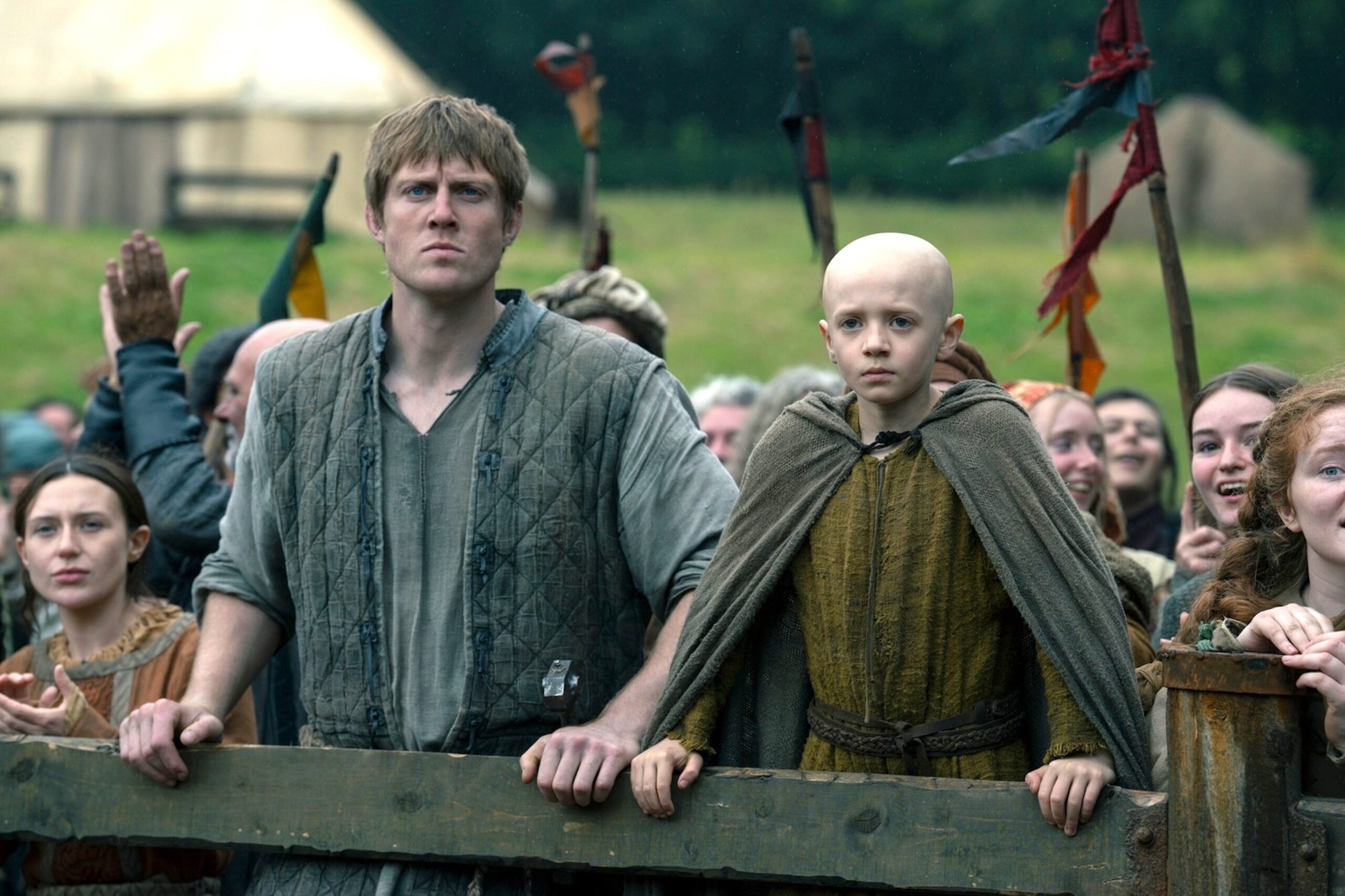
"In an era of franchise fatigue, the most resonant stories are moving away from world-ending stakes to focus on the intimate, human-scale conflicts that define our shared experience."
This shift in storytelling marks a pivotal moment for modern entertainment, as major franchises like Star Wars, Marvel, and Game of Thrones pivot from the "bigger is better" mentality toward character-driven narratives. By grounding epic universes in the relatable struggles of individual protagonists, creators are finding a more sustainable and emotionally impactful way to engage audiences who have grown weary of constant, high-stakes spectacle.
The Evolution of the Modern Franchise
For over a decade, the gold standard for blockbuster entertainment was the "event" film or series. This trend reached its zenith with Avengers: Endgame, a cinematic milestone that successfully synthesized ten years of storytelling into a singular, cathartic climax. However, the industry has since learned a difficult lesson: you cannot live in a state of permanent climax. When every conflict involves the fate of the galaxy or the destruction of the multiverse, the stakes eventually begin to feel hollow. The "spectacle creep" that defined the late 2010s has given way to a new appetite for "margin stories"—narratives that exist within the cracks of established lore, focusing on the people who live in the shadows of giants.
This evolution is perhaps most evident in the Star Wars universe. While the core "Skywalker Saga" leaned heavily on the operatic struggle between the Light and Dark sides of the Force, the series Andor took a radically different approach. It eschewed Jedi and Sith in favor of a gritty, grounded look at the bureaucracy of fascism and the slow, painful birth of a revolution. Andor succeeded not because it was a "Star Wars story," but because it was a compelling human drama that happened to be set in space. It reflected the complexities of modern society—the mundane nature of evil and the quiet bravery of the oppressed—proving that human characters are more relatable than demigods.
Marvel’s Shift Toward Character Studies
The Marvel Cinematic Universe (MCU) has encountered similar crossroads. After years of escalating threats, the franchise has begun to experiment with smaller, more experimental formats. A prime example is Wonder Man. Rather than pitting its protagonist against a sinister supervillain with a planet-destroying plot, the series focuses on the internal life of its hero. The success of such projects suggests that the magnitude of a conflict is far less important than its execution.

When a story focuses on how a character relates to their world—their ambitions, their failures, and their desire to be the best version of themselves—it creates a bridge to the audience that no amount of CGI can replicate. This "human-first" philosophy is now being applied to one of the most successful television franchises in history: George R.R. Martin’s A Song of Ice and Fire.
Westeros in the Margins: A Knight of the Seven Kingdoms
HBO’s latest foray into Westeros, A Knight of the Seven Kingdoms, represents a significant departure from the template established by Game of Thrones and its prequel, House of the Dragon. While those series are defined by the "Great Game"—the bloody, high-stakes pursuit of the Iron Throne involving dragons, ancient prophecies, and the fate of dynasties—A Knight of the Seven Kingdoms is content to remain in the margins.
Based on George R.R. Martin’s Tales of Dunk and Egg novellas, the series follows Ser Duncan the Tall (played by Peter Claffey), a "hedge knight" of humble origins, and his diminutive squire, Egg. Set roughly a century before the events of the original series, this is a world where the Targaryen dynasty is at its height, but the story isn’t about the kings on the throne. It is about a man trying to navigate a rigid social hierarchy while maintaining his personal honor.
The DNA of this series is intentionally "slighter" than its predecessors. There is a breezy, serial quality to the storytelling, with episodes ranging between 30 and 40 minutes. This shorter format allows for a tighter focus on character development and world-building through small interactions rather than grand battles. It feels like a classic adventure serial, offering a lighter tone that serves as a refreshing palate cleanser for a franchise known for its unrelenting grimness.
The Appeal of the Underdog
The central appeal of A Knight of the Seven Kingdoms lies in its protagonist. Peter Claffey’s "Dunk" is not a prince or a chosen one; he is a man of low birth who has been thrust into a role he feels unqualified for. His struggle is one of identity and morality: how does one stay "true" in a world built on deception? This is a universal theme that resonates far more deeply than the political machinations of the Red Keep.
By focusing on the "hedge knight"—a knight who owns no land and travels from place to place seeking employment—the show explores the socioeconomic realities of Westeros that the main series often glossed over. We see the impact of noble decisions on the common folk and the daily struggle for survival in a feudal society. The dragons, while present in the lore and the lineage of the Targaryens, are the "cherry on top" rather than the main course. The heart of the story remains the bond between a giant of a man and a mysterious young boy, wandering through a land that is as beautiful as it is dangerous.

Scheduling and Strategy: Navigating the Super Bowl
The release strategy for A Knight of the Seven Kingdoms reflects its status as a prestige television event, while also showing HBO’s adaptability to the modern media landscape. Episodes typically debut on Sunday nights at 9:00 P.M. EST, occupying the coveted "anchor" slot on both the linear HBO channel and the Max streaming platform.
However, the upcoming schedule features a notable adjustment. Due to the cultural juggernaut of Super Bowl LX on Sunday, February 8th, HBO has opted for an early digital debut for the show’s fourth episode. To avoid competing with the most-watched television event of the year, the episode titled "Seven" will be available to stream on Max starting Friday, February 6th. It will still maintain its traditional linear broadcast time on Sunday night for those not watching the game, but the early streaming release ensures that the show’s momentum is not disrupted by the NFL finale.
The Path Forward for Season 1 and Beyond
As the first season approaches its conclusion, the stakes remain personal rather than global. With only six episodes in the inaugural season, the narrative is lean and purposeful. Following the early release of Episode 4, only two chapters remain to conclude this initial journey.
The industry’s confidence in this "smaller" approach is evidenced by the fact that HBO has already renewed A Knight of the Seven Kingdoms for a second season. This suggests a long-term commitment to diversifying the Game of Thrones brand, moving away from a singular "epic" style toward a multi-tonal universe where different types of stories can coexist.
Complete Release Schedule
For viewers looking to keep track of Dunk and Egg’s journey, here is the remaining release schedule for the first season:
- Episode 1, "The Hedge Knight": Currently streaming (Premiered January 18)
- Episode 2, "Hard Salt Beef": Currently streaming (Premiered January 25)
- Episode 3, "The Squire": Currently streaming (Premiered February 1)
- Episode 4, "Seven": Available on Max Friday, February 6 (Airing on HBO Sunday, February 8)
- Episode 5, "In the Name of the Mother": Streaming Sunday, February 15
- Episode 6, "TBA" (Season Finale): Streaming Sunday, February 22
Conclusion: Why the "Small" Story Wins
The success of A Knight of the Seven Kingdoms, alongside predecessors like Andor, signals a healthy shift in the entertainment industry. It acknowledges that audiences are sophisticated enough to appreciate nuance over noise. By focusing on "the best version of oneself" rather than the conquest of the world, these stories provide a reflection of our own daily conflicts. In the end, a well-told story about a man and his squire can be just as epic as a war between gods—if it has the heart to back it up.