
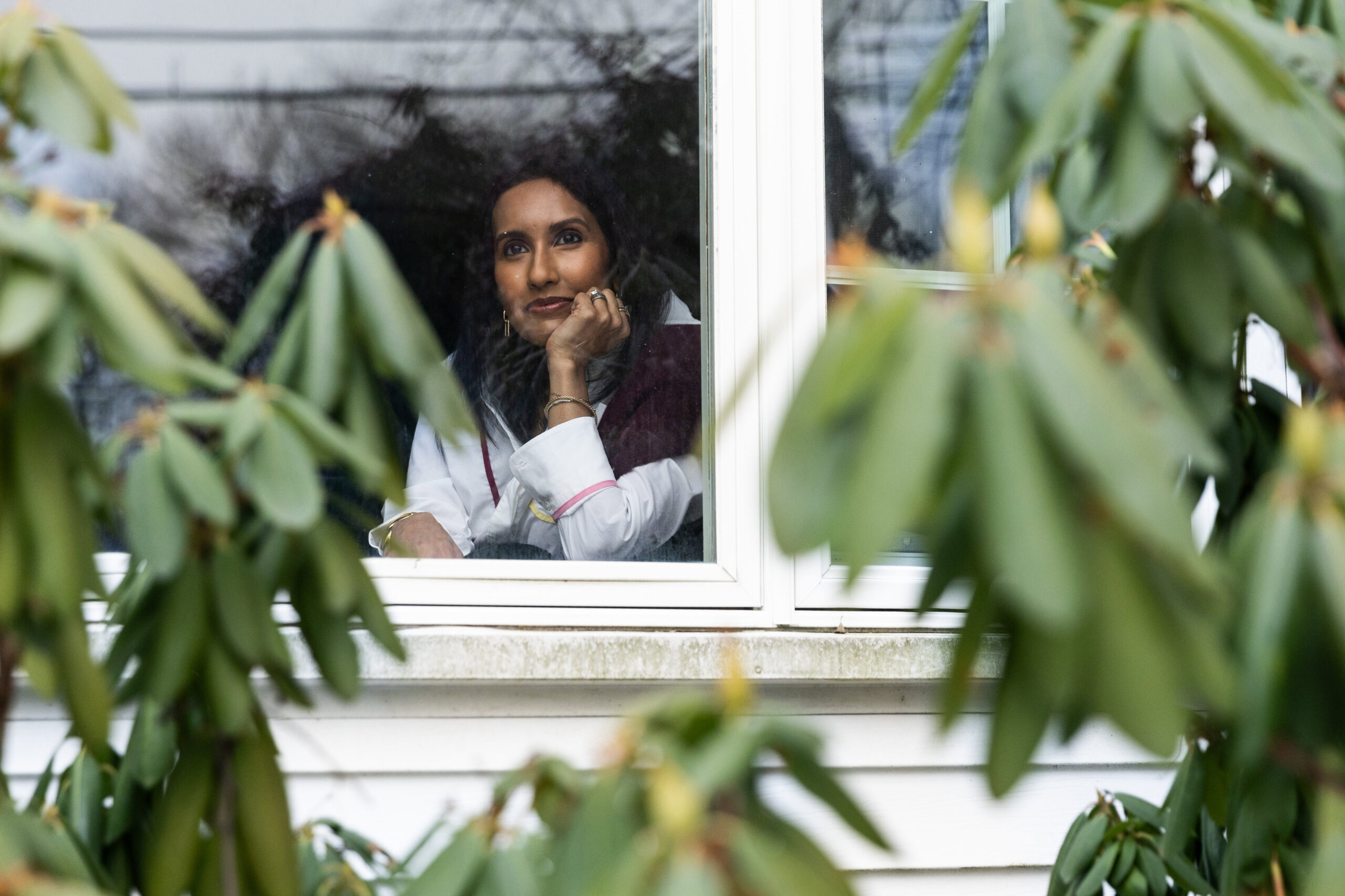
"While mental health awareness grows, leading to increased help-seeking, the surge in anxiety medication use is met with both relief and concern, sparking debate about its efficacy, risks, and underlying societal drivers."
The landscape of mental health treatment in the United States is undergoing a significant transformation, marked by a notable increase in the prescription and use of anxiety medications. This trend, particularly pronounced in recent years, reflects a complex interplay of growing public awareness, evolving treatment access, and societal pressures. While millions find relief and improved quality of life through these medications, concerns are being raised by some, including prominent figures within public health, about potential downsides and the broader implications of this reliance. This article delves into the data behind this increase, explores the differing perspectives on the efficacy and safety of common anxiety medications like SSRIs, examines the proposed lifestyle and societal factors contributing to rising anxiety levels, and discusses the various treatment avenues available.
The personal journey of Sadia Zapp, a 40-year-old communications director, exemplifies the profound impact of anxiety following a major health crisis. After enduring a grueling year of chemotherapy, surgery, and radiation for breast cancer, Zapp found herself grappling with a level of anxiety that transcended her usual concerns. "Every little discomfort, like a knee ache, made me think: this is the end of the road for me," she shared, illustrating the pervasive and often irrational nature of this heightened anxiety. This experience led her to join the ranks of millions of Americans who have turned to anti-anxiety medications, or anxiolytics, in recent years. For Zapp, Lexapro, an antidepressant that boosts serotonin production, proved to be a turning point. "I love it. It’s been excellent," she stated, emphasizing its crucial role in managing her anxiety.
Zapp’s experience is not isolated. Data from the Centers for Disease Control and Prevention (CDC) reveals a significant uptick in the proportion of American adults taking anxiety medications, rising from 11.7% in 2019 to 14.3% in 2024. This represents an additional 8 million individuals, bringing the total to approximately 38 million. The surge was particularly pronounced during the COVID-19 pandemic, a period marked by widespread stress and uncertainty. Notably, this increase has been observed across various demographics, with marked rises among young adults, college graduates, and individuals identifying as LGBTQ+.
The growing acceptance of psychiatric medications, coupled with the increased accessibility of telemedicine appointments, has facilitated this trend. However, the escalating use of Selective Serotonin Reuptake Inhibitors (SSRIs), a class of antidepressants, has also drawn criticism from proponents of the "Make America Healthy Again" (MAHA) movement. They contend that these medications can be detrimental, with some critics even drawing parallels between the difficulty of discontinuing SSRIs and that of overcoming heroin addiction, a claim made by Robert F. Kennedy Jr., Secretary of Health and Human Services. Kennedy has also suggested a potential link between SSRIs and other psychiatric drugs with violent behaviors, such as school shootings, an assertion his agency is reportedly investigating. Furthermore, Marty Makary, a commissioner on the Food and Drug Administration (FDA), has raised concerns about the potential for SSRI use during pregnancy to result in adverse birth outcomes.
Medical professionals and researchers, however, largely defend SSRIs like Prozac, Zoloft, and Lexapro as first-line treatments for a range of anxiety disorders, including generalized anxiety disorder and panic disorder. They argue that these medications are often misrepresented as being inherently addictive and harmful, despite evidence supporting their safety for long-term use. Dr. Patrick Kelly, president of the Southern California Psychiatric Society, dismisses the criticisms leveled against SSRIs, stating, "The statements about SSRIs were simply not based on any kind of evidence or fact." He points to a recent study indicating that over half of individuals with generalized anxiety disorder taking an SSRI experienced at least a 50% reduction in their anxiety symptoms. While side effects such as gastrointestinal upset, difficulty concentrating, and fatigue are possible, and some individuals may experience reduced libido, Kelly emphasizes that for many, these side effects are mild and manageable, with the benefits of treating chronic anxiety far outweighing the drawbacks. Approximately 1 in 12 individuals discontinue SSRIs due to side effects.
Beyond medication, lifestyle factors are increasingly recognized as significant contributors to mental well-being. MAHA proponents advocate for addressing anxiety, depression, and other mental health challenges through improved dietary choices and increased physical activity. They recommend reducing the consumption of ultra-processed foods, which recent studies have linked to depression and anxiety, and decreasing screen time in favor of regular exercise. Psychiatrists generally endorse a healthy diet and exercise as complementary therapies for anxiety and depression. Dr. Emily Wood, a psychiatrist practicing in Los Angeles, also suggests that individuals who can manage their anxiety without medication should consider talk therapy. The adoption of teletherapy has indeed contributed to an increase in the utilization of mental health counseling services, with federal data showing a rise in adult usage between 2019 and 2024. "Anxiety disorders are among the psychiatric disorders that respond best to cognitive-behavioral therapy," Wood noted.

However, the debate regarding medication during pregnancy highlights a critical area of concern. While studies suggest that the risks associated with SSRI use during pregnancy are low for both mother and baby, untreated maternal depression carries significant risks for adverse outcomes. Wood cautions that recent government statements questioning SSRI use in pregnancy "could be causing real harm to these women."
When individuals discontinue antidepressants, especially abruptly, they may experience withdrawal symptoms such as nausea, insomnia, or other discomforts. However, Dr. Kelly asserts that "the concept of addiction simply does not apply to these medications," a claim supported by numerous studies. Addiction is a more pertinent concern with benzodiazepines, such as Xanax, which are often prescribed as second-line treatments for anxiety. These controlled substances carry the risk of potentiating opioid overdose when taken concurrently, a concern that has also been voiced by critics of their widespread use. While benzodiazepines can be effective for acute anxiety, they require careful medical supervision due to their potential for dependence over time. Dr. Wood explains, "They are very useful medications for acute anxiety and are not suitable as a long-term treatment because they can lead to dependence over time." This dependence can manifest as a need for increasing doses to achieve the same effect, necessitating a gradual tapering off period.
An emerging trend involves the occasional use of beta-blockers like propranolol for anxiety, though they are not FDA-approved for this purpose and are used off-label. These medications are sometimes used to prevent rapid heart rate before public speaking or other high-pressure situations. While beta-blockers can cause dizziness and fatigue, they do not lead to addiction and are considered safe for reducing autonomic nervous system activation, shifting individuals from a "fight or flight" response to a more neutral state.
Several theories attempt to explain the substantial rise in anxiety medication usage. Experts point to increased social media engagement, heightened social isolation, and growing economic uncertainty as potential contributing factors. The accessibility of these medications also plays a role. Many individuals obtain prescriptions from their primary care physicians or through brief telemedicine consultations. The destigmatization of mental health issues, partly fueled by social media influencers openly discussing their struggles, has encouraged young people to seek help. A recent Pew Research Center study found that about a third of teenagers seek mental health information through social media.
However, the increased access to anxiety medications, when combined with a tendency towards self-diagnosis based on online information, can be problematic. Online searches for medications like Xanax may yield sponsored advertisements promising same-day treatment, though often without guaranteed prescriptions. Dr. Kelly stresses the distinction: "I think greater access is a positive thing, but it’s not the same as, for example, ordering Xanax over the internet."
Young adults, aged 18 to 34, are driving a significant portion of the increase in anxiety medication use, with the proportion taking these medications rising from 8.8% in 2019 to 14.6% in 2024, according to CDC data. This contrasts with a more modest change among adults aged 65 and older. The COVID-19 pandemic and subsequent lockdowns exacerbated stress levels, particularly for younger demographics.
Data consistently shows that women are more likely than men to take anxiety medications. Dr. Jason Schnittker, Chair and Professor of Sociology at the University of Pennsylvania, attributes this to a combination of factors: women may experience higher rates of anxiety, are more likely to report their feelings, and physicians may be more adept at identifying anxiety in female patients. Broader societal trends also contribute, with studies indicating a generational increase in anxiety throughout the 20th and 21st centuries. Schnittker, author of "Unnerved: Anxiety, Social Change, and the Transformation of Modern Mental Health," suggests that rising income inequality, increased social isolation, and a growing distrust of others may foster a pervasive sense of unease.
For Sadia Zapp, the path to stabilization involved a combination of Lexapro and therapy. It took several months for the medication to take full effect, but when it did, she experienced a noticeable reduction in mental clutter, allowing for improved concentration. While she continues with therapy, her chronic anxiety is now managed effectively with medication alone. "It definitely helped me get back into my daily routine in a productive way and not just be filled with anxiety all day," she concluded. The ongoing dialogue surrounding anxiety treatment underscores the need for a balanced approach that considers both pharmacological interventions and holistic lifestyle and therapeutic strategies.