

"Rest periods are not merely passive breaks in action; they are precision-engineered recovery windows that dictate the hormonal, metabolic, and neurological adaptations your body makes to every rep."

While most gym-goers meticulously track their sets, reps, and the weight on the bar, the time spent between those efforts—known as inter-set recovery—is often treated as an afterthought or an opportunity to check social media. However, sports science suggests that the duration of your rest is a primary training variable that can be manipulated to accelerate specific fitness goals, from explosive power and maximal strength to muscular endurance and hypertrophy. By understanding the physiological processes occurring during these intervals, such as the clearance of metabolic byproducts and the replenishment of adenosine triphosphate (ATP), athletes can transform their downtime into a strategic tool for performance enhancement.
The Physiology of the Pause
To understand why rest matters, one must first understand what happens when the lifting stops. During a demanding set, the body utilizes various energy systems, primarily the phosphagen system (ATP-CP) for short, intense bursts. As muscles contract, they accumulate metabolic waste products, including hydrogen ions and inorganic phosphate, which contribute to the sensation of "the burn" and eventual muscle fatigue.

Inter-set recovery is the period during which the body attempts to return to a state of homeostasis. It is during these minutes that the cardiovascular system works to deliver oxygen-rich blood to the tissues, clearing out metabolic debris and resynthesizing phosphocreatine stores. If the rest is too short for the intended goal, the next set will suffer from premature failure due to a lack of fuel or excessive acidity in the muscle environment. If the rest is too long, the nervous system’s "arousal" may dip, and the muscle temperature may drop, increasing the risk of injury and decreasing the efficiency of the "summation of sets" required for growth.
The Foundation: Rest Strategies for Beginners
For those new to resistance training, the primary objective is often neuromuscular adaptation—teaching the brain how to communicate effectively with muscle fibers to execute movements with proper form. Beginners are not just building muscle; they are building a "movement library."

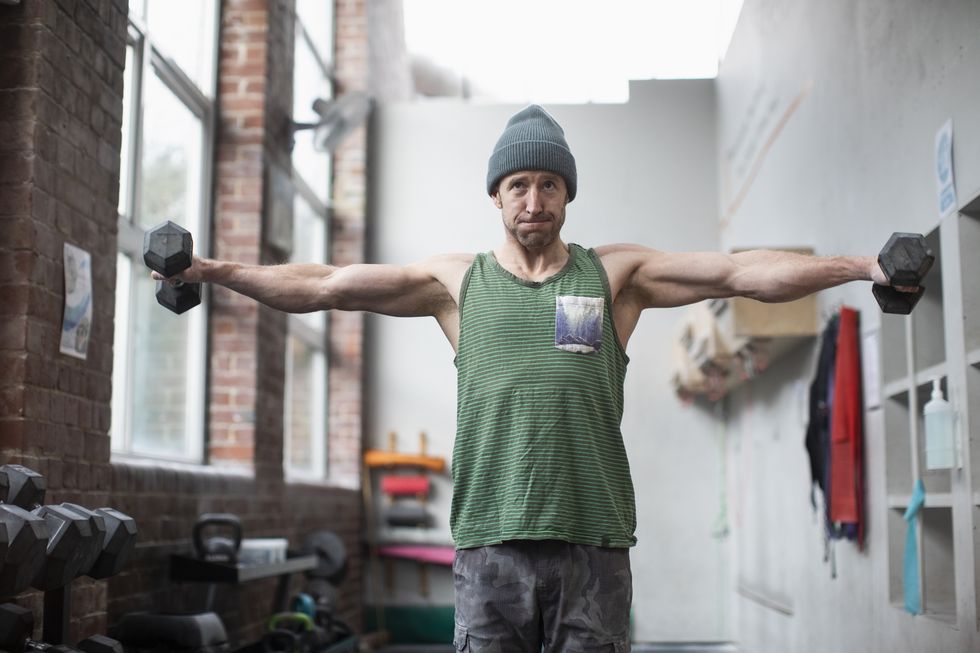
For this population, rest periods should be generous. Experts recommend between 2 and 2.5 minutes for large compound exercises—such as squats, deadlifts, or overhead presses—and 60 to 90 seconds for accessory or isolation movements, like bicep curls or lateral raises. The rationale is simple: fatigue is the enemy of technique. When a beginner is tired, their form breaks down, leading to the "leakage" of force and the potential for injury.
During these breaks, the focus should remain on the task at hand. This is the time to mentally rehearse the next set, adjust equipment, and regulate breathing. The "smartphone trap" is particularly dangerous for beginners, as the cognitive distraction of scrolling can disrupt the mind-muscle connection being established. Passive rest—sitting or standing quietly—is generally more effective here than trying to fill the gap with unrelated stretching, which can actually decrease the stability of the joints before the next lift.
The Hypertrophy Debate: One Minute vs. Three Minutes
In the realm of bodybuilding and muscle gain (hypertrophy), the traditional "gold standard" has long been short rest periods of 60 to 90 seconds. The theory was that shorter rest increased metabolic stress and the secretion of anabolic hormones like growth hormone, which were thought to be the primary drivers of size.
However, modern research is shifting this paradigm. A landmark study published in the Journal of Strength and Conditioning Research challenged the "short rest for big muscles" dogma. Researchers compared men who rested for one minute against those who rested for three minutes while following a standard hypertrophy protocol. The results were surprising: the three-minute group saw significantly greater gains in both muscle thickness and maximal strength.
The reason likely lies in total training volume. By resting longer, the participants were able to lift heavier weights for more reps in subsequent sets. Because volume (sets x reps x load) is a primary driver of hypertrophy, the increased recovery allowed for a higher "work capacity" throughout the session. While 60 to 90 seconds is still viable for those seeking a "pump" or working under time constraints, those looking for maximal muscle growth should consider extending their rest to the two-to-three-minute range, particularly on demanding multi-joint lifts.
Building Relentless Endurance
Muscular endurance is the ability of a muscle group to perform repeated contractions against a resistance for an extended period. This is essential for athletes like rowers, cyclists, and obstacle course racers, but it is also a vital component of a well-rounded fitness profile.
To train for endurance, the goal is to intentionally "under-recover." By keeping rest periods to 30 seconds or less, you force the body to become more efficient at clearing lactic acid and operating in a state of metabolic acidosis. This conditions the cardiorespiratory system to circulate oxygen-rich blood more rapidly and trains the muscles to replenish fuel stores under duress.
This principle is taken to its extreme in High-Intensity Interval Training (HIIT) and circuit training. In these modalities, the "rest" is often just the time it takes to move from one station to the next. The physiological goal here is not maximal force production, but rather a sustained elevation of the heart rate and the development of "metabolic flexibility"—the body’s ability to switch between fuel sources efficiently.
The Power of Patience: Strength and Power Training
When the objective is absolute strength (moving the heaviest weight possible) or power (moving weight as fast as possible), the rules of recovery change entirely. Strength training targets the Central Nervous System (CNS) and the large, "fast-twitch" Type II muscle fibers. These fibers are powerful but fatigue rapidly and take much longer to recover than their slow-twitch counterparts.
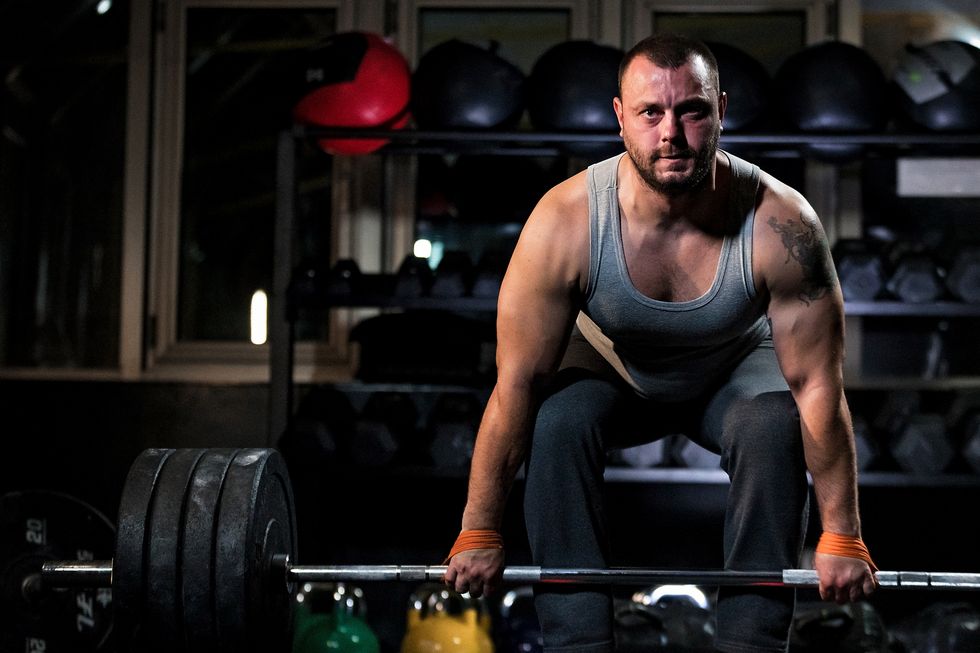
The textbook recommendation for strength and power is three to five minutes of rest between sets. This may feel like an eternity in a busy gym, but it is a physiological necessity. It takes approximately three minutes for the body to resynthesize nearly 95% of its ATP and phosphocreatine stores. If you attempt a maximal lift before this recovery is complete, you are essentially "leaving pounds on the bar" because your chemical fuel tanks are still half-empty.
Power training—which involves explosive movements like cleans, snatches, or plyometrics—requires even more diligence. Because power is the product of force and velocity, any drop in speed due to fatigue renders the set ineffective. To maintain maximum explosiveness, the nervous system must be fully "fresh." In this context, rest is not a sign of laziness; it is a requirement for high-output performance.
Individualization and the "Auto-Regulation" Factor
While these guidelines provide a scientific framework, the "perfect" rest period is ultimately individual. Factors such as age, sleep quality, nutrition, and even psychological stress can influence how quickly an athlete recovers between sets.

A sophisticated approach to rest involves "auto-regulation." This means listening to the body’s signals rather than strictly following a stopwatch. If your breathing has returned to a normal rhythm and you feel a psychological "itch" to get back to the bar, you may be ready. Conversely, if your heart is still hammering and your grip feels shaky, an extra 30 seconds of rest will likely yield a better-quality set than forcing the timing.
Conclusion: The Silent Variable
In the quest for physical transformation, we often focus on the "loud" variables: the heavy weights, the sweat, and the intensity of the effort. But the "silent" variable—the rest period—is the glue that holds the training session together. By tailoring your recovery to your specific goals, you ensure that every minute spent in the gym is optimized for the result you want. Whether you are a beginner seeking safety and form, a bodybuilder chasing growth, or a powerlifter seeking a new personal record, the time you spend not lifting is just as important as the time you spend under the bar. Mastering the art of the pause is, in many ways, the secret to mastering the art of the lift.