
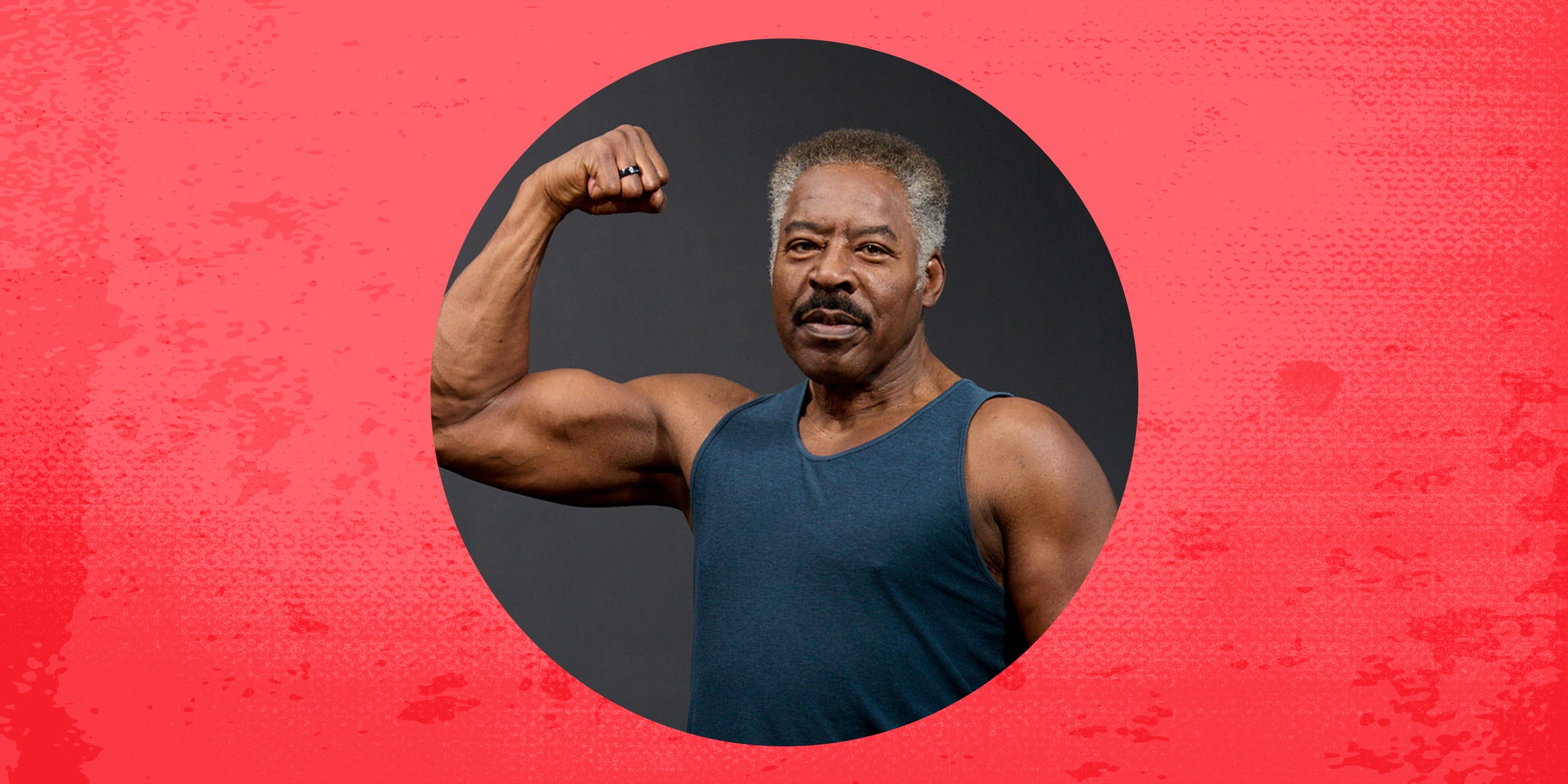
"True longevity is achieved not by chasing fleeting fitness trends, but by cultivating a disciplined, mindful connection to the body’s evolving needs to maintain strength and mobility across the decades."
As Ernie Hudson approaches his ninth decade, his physical condition has become a subject of both public fascination and inspiration, serving as a powerful testament to the efficacy of consistent, low-impact functional training. By prioritizing "smart longevity" over high-intensity fads, Hudson demonstrates that the aging process can be managed through a combination of physiological awareness, resistance training, and a proactive approach to the specific health risks facing the African American community.
The Viral Standard of Aging Gracefully
When Ernie Hudson appeared on a red carpet recently wearing a simple, fitted black T-shirt, the image sparked a global conversation about the possibilities of aging. At nearly 80 years old, Hudson appeared remarkably similar to his 1984 self, the year he rose to international fame as Winston Zeddemore in Ghostbusters. However, for Hudson, this aesthetic preservation is merely a byproduct of a much deeper, more intentional philosophy of health.
The concept of "aging gracefully" is often reduced to cosmetic appearances, but in a clinical and fitness context, it refers to the maintenance of functional capacity—the ability to move, lift, and navigate the world without pain or restriction. Hudson’s approach centers on "tuning in" to the body, a practice that requires a quiet mind and a rejection of the rigid, often punishing standards of youth-centric fitness culture. By listening to his body’s signals, Hudson has been able to adjust his intensity and focus, ensuring that his workouts support his longevity rather than depleting his reserves.
The Philosophy of Mindful Longevity
Hudson’s secret lies in what he calls "smart, focused longevity." This philosophy is rooted in the transition from ego-driven lifting to health-driven movement. For many men, the instinct is to continue training as they did in their 20s, which often leads to chronic joint issues and injury as they age. Hudson, conversely, emphasizes flexibility and mobility as the primary pillars of his routine.
"Your body will tell you what it needs," Hudson notes, echoing a sentiment often shared by physical therapists and longevity experts. This internal feedback loop allows him to identify when to push and when to recover. In the ninth decade of life, recovery becomes as critical as the stimulus of exercise itself. The goal is not to break records, but to prevent the "stumbling and falling down" that often marks the beginning of physical decline in the elderly.
Addressing Health Disparities and Community Wellness
A significant driver of Hudson’s dedication to fitness is his awareness of the specific health challenges within the African American community. Medical data consistently shows that African Americans face higher risks of hypertension, Type 2 diabetes, and cardiovascular disease—conditions that are often exacerbated by weight gain and sedentary lifestyles.
Hudson’s focus on weight management is a calculated response to these risks. "Every disease known to man seems to hit us harder," he observes, highlighting the importance of preventative health measures. By maintaining a lean physique and high muscle-to-fat ratio, Hudson is effectively lowering his systemic inflammation and improving his metabolic health. This proactive stance serves as a vital example for a demographic that is statistically underserved by the healthcare system and more vulnerable to chronic illness.
The Social and Professional Structure of Training
Consistency is the most difficult variable to master in any fitness journey, especially for an actor whose schedule fluctuates between filming locations. Hudson manages this through a structured support system. When at home in Los Angeles, he works with a professional trainer two to three times a week. This external accountability ensures that he maintains proper form and progressive overload.

However, when traveling for projects like Boston Blue or The Family Business, his fitness becomes a family affair. Training with his son, Ernest, provides a unique blend of social connection and physical discipline. This intergenerational approach to fitness not only strengthens familial bonds but also ensures that Hudson’s routine remains uninterrupted by the demands of his career. It underscores a key psychological component of longevity: the importance of a support network in maintaining healthy habits.
A Technical Analysis of the Hudson Routine
Hudson’s upper body workout is designed to promote functional strength, postural alignment, and muscular hypertrophy without placing undue stress on the central nervous system. Each movement serves a specific purpose in the context of aging.
1. The Warmup: Bodyweight Squats to Elevated Plank Walkout
This movement is a masterclass in functional integration. The bodyweight squat engages the posterior chain and promotes synovial fluid flow in the knees and hips. Transitioning into a plank walkout adds a core stability component and gently stretches the hamstrings while activating the shoulders. For an older athlete, this "waking up" of the kinetic chain is essential for preventing acute injuries during heavier lifts.
2. The Foundation: Pushups and Barbell Bench Press
The chest and shoulders are critical for maintaining the "upright" posture that often collapses with age. Hudson utilizes the pushup for its ability to engage the serratus anterior and core, while the barbell bench press allows for the recruitment of larger muscle fibers in the pectorals. By maintaining chest strength, Hudson ensures he retains the "pushing" power necessary for daily tasks and a confident physical presence.
3. Postural Integrity: Seated Rows
As people age, the muscles of the upper back often weaken, leading to kyphosis (a rounded back). The seated row targets the rhomboids and latissimus dorsi, pulling the shoulders back and opening the chest. This exercise is perhaps the most vital for "looking" young, as it preserves the tall, open posture associated with vitality.
4. Arm Specialization: Concentration Curls and Triceps Pressdowns
Hudson takes building strong arms seriously, and there is a physiological reason for this beyond aesthetics. Grip strength and arm power are highly correlated with lower mortality rates in older adults. Concentration curls isolate the bicep, preventing the "swinging" momentum that can strain the lower back. Meanwhile, triceps pressdowns target the back of the arm, which is essential for elbow stability and overhead movements.
The Implications of the Hudson Model
Ernie Hudson’s success offers a roadmap for the "Silver Tsunami"—the aging global population. His routine suggests that the decline traditionally associated with the 70s and 80s is not entirely inevitable. While genetics play a role, the application of consistent resistance training and mindful nutrition can significantly alter the trajectory of aging.
Furthermore, Hudson’s visibility as a fit, active man of color provides a necessary counter-narrative to the health statistics that often plague his community. He demonstrates that "feeling pretty good" in old age is a result of decisions made decades prior and maintained with daily discipline.
Conclusion: The Goal of Movement
Ultimately, Ernie Hudson’s fitness journey is not about vanity; it is about autonomy. By remaining strong, flexible, and mobile, he retains the ability to work, travel, and engage with his family on his own terms. His workout is a tool for freedom.
As he continues to grace screens and red carpets, Hudson serves as a reminder that the "best shape of your life" does not have to be a memory from your twenties. With a focused mind, a dedicated support system, and a workout routine built for longevity, the ninth decade can be one of the most vibrant chapters of a life well-lived. For those looking to follow in his footsteps, the message is clear: quiet the mind, listen to the body, and never stop moving.