
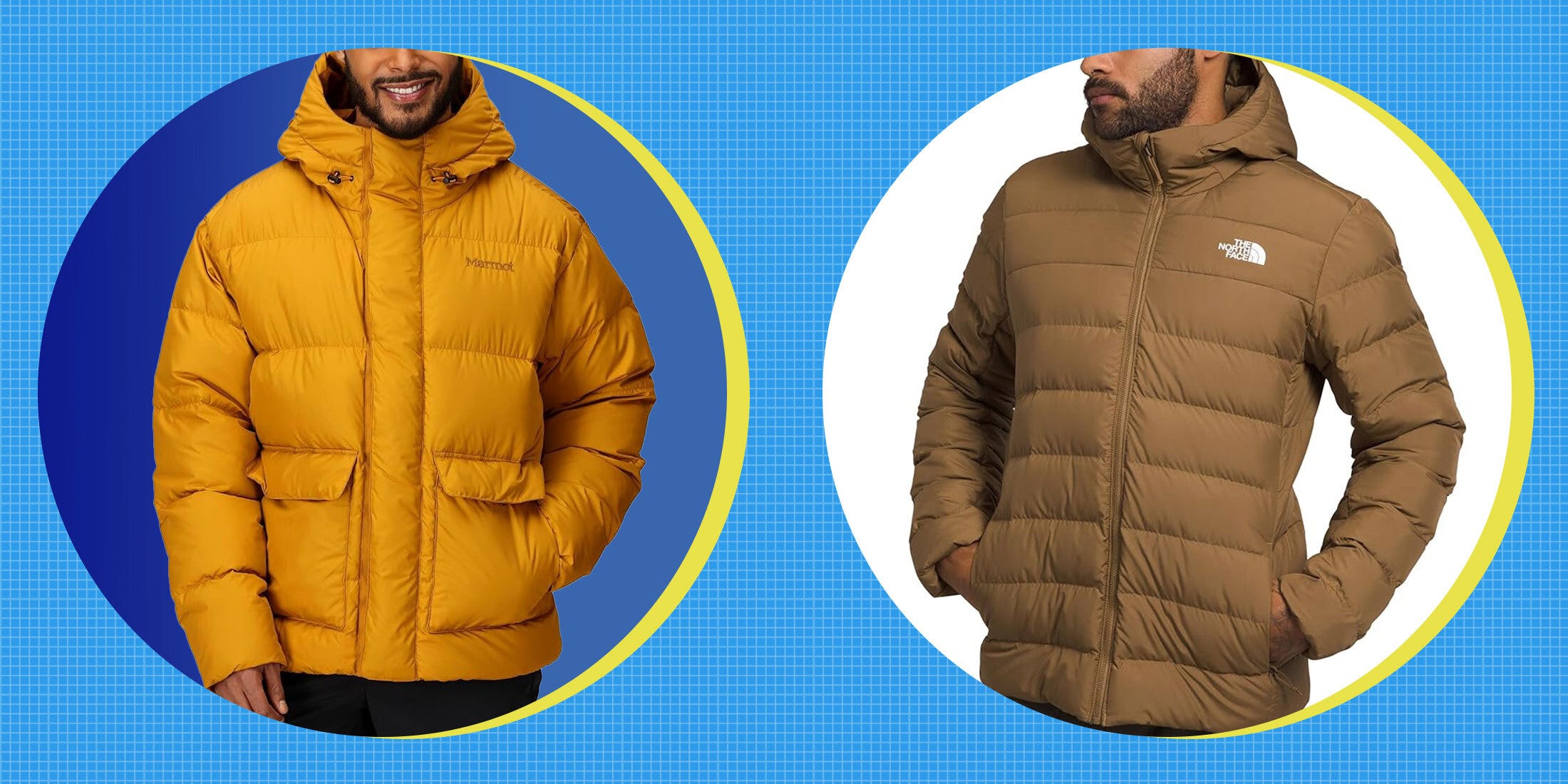
"Modern winter outerwear has evolved beyond simple bulk, utilizing hybrid insulation and heat-reflective technologies to provide maximum thermal efficiency without compromising mobility or professional style."

As winter temperatures fluctuate between mild chills and sub-zero freezes, the demand for versatile, high-performance outerwear has never been higher. Today’s market is defined by a sophisticated intersection of materials science and ergonomic design, where traditional goose down is often paired with advanced synthetic fibers to ensure warmth even in damp conditions. Choosing the right jacket requires an understanding of fill power, shell durability, and moisture management, as different environments—from the wind-swept streets of Manhattan to the alpine ridges of the Rockies—demand specific technical attributes to keep the wearer protected and comfortable.
The Evolution of Hybrid Insulation: The North Face Aconcagua 3
The North Face has long been a staple in cold-weather gear, and the Aconcagua 3 Lined Hoodie represents a modern approach to urban thermal regulation. Priced at approximately $220, this jacket utilizes a strategic blend of 600-fill goose down and synthetic insulation. The primary advantage of this hybrid approach is its ability to deliver significant heat without the "marshmallow" aesthetic often associated with high-loft puffers.

For the daily commuter, the Aconcagua 3 offers WindWall technology—a specialized fabric engineered to significantly reduce the effects of wind chill while remaining breathable enough to prevent overheating during a brisk walk. Its water-resistant finish is designed for the "commuter’s reality," where light rain or sleet is common. The tailored cut is particularly suited for athletic builds, providing enough room in the chest and shoulders for layering over chunky knitwear without sacrificing a sleek silhouette.
Radiant Heat and Portability: The Columbia Powder Lite II
Columbia has carved out a niche by focusing on proprietary technologies that enhance heat retention without adding weight. The Powder Lite II Insulated Puffer is a standout for those who prioritize a lightweight feel. Its most distinctive feature is the Omni-Heat thermal-reflective lining, which consists of tiny metallic dots that reflect body heat back toward the wearer.

At a weight of just 1.3 pounds, the Powder Lite II is an ideal "packable" option. It utilizes Omni-Shield technology, a water and stain repellent that causes liquids to bead up and roll off the surface. While it is rated highly for temperatures around 30 degrees Fahrenheit, it serves best as a mid-layer or a standalone jacket for active movement rather than stationary exposure in deep-freeze conditions. Its broad size range, reaching up to 6XL, makes it one of the most inclusive performance jackets on the market.
Accessibility and Utility: The Amazon Essentials Heavyweight Puffer
The democratization of winter gear is perhaps most evident in the Amazon Essentials Heavyweight Hooded Puffer Coat. At a price point of roughly $59, it challenges the notion that effective winter protection must be expensive. This jacket is built for rugged utility, featuring a water-resistant polyester taffeta shell and a heavy-duty polyfill insulation that holds its own in 20-degree weather.

Key details often found in more expensive garments are present here, such as a fleece-lined insulated hood and rib-knit cuffs that create a seal against cold drafts. The relaxed-yet-tailored cut allows for significant layering, making it a practical choice for activities ranging from snow shoveling to casual hiking. It serves as a testament to how far synthetic insulation has come in mimicking the loft and warmth of natural down at a fraction of the cost.
Hydrophobic Advancements: The Marmot Stockholm
Moisture is the historical enemy of down insulation; once wet, traditional down loses its loft and its ability to trap heat. The Marmot Stockholm addresses this through the use of Down Defender, a hydrophobic treatment applied to its 700-fill power down. This finish ensures that the insulation remains lofted even in damp or humid conditions, providing a critical safety margin for the wearer.

Retailing for around $300, the Stockholm is designed with a "glossy" urban aesthetic that conceals its technical prowess. It features a cinchable hood, an adjustable hem, and oversized pockets capable of storing gloves and electronics. While the shell handles light snow with ease, its primary value lies in its high warmth-to-weight ratio and its ability to maintain performance in the face of winter humidity.
Industrial Durability: The Carhartt Storm Defender
For those whose winter involves physical labor or high-abrasion environments, the Carhartt Storm Defender Heavyweight Jacket is the definitive choice for durability. Carhartt has successfully bridged the gap between workwear and street style, but the Storm Defender remains rooted in performance. Its shell is constructed from rugged nylon with fully waterproof seams, making it the most "indestructible" option in the lineup.

Unlike the sleek, slim-fitting puffers of its competitors, the Storm Defender features a loose fit designed for maximum range of motion and heavy layering. It prioritizes wind resistance and moisture protection over pure loft, making it an excellent outer shell for "wet cold" environments. It is a jacket built to last for years of rough use, resisting scuffs and tears that would compromise thinner technical fabrics.
Alpine Performance: Outdoor Research Helium Down
When weight is the primary constraint, such as during alpine climbs or backcountry treks, the Outdoor Research Helium Down Jacket excels. It utilizes an 800-fill down insulation, a high-tier rating that indicates superior warmth for minimal weight. The shell is constructed from Pertex Quantum with Diamond Fuse technology, which uses diamond-shaped filaments to create a fabric that is exceptionally resistant to abrasion.

The Helium’s hybrid mapped construction ensures that insulation is concentrated where the body loses heat fastest, while thinner sections allow for better breathability during high-exertion activities. One of its most practical features for travelers is its ability to pack down into its own pocket, taking up minimal space in a backpack or carry-on.
Ergonomics and Extension: Eddie Bauer Glacier Peak Parka
The Eddie Bauer Glacier Peak Seamless Stretch Parka solves a common complaint regarding winter coats: the restrictive, stiff feel of traditional parkas. By incorporating elastane into the polyester shell and using bonded channels rather than traditional stitching, Eddie Bauer has created a parka that moves with the body.

The 650-fill premium down is housed in a "seamless" design that reduces wind penetration and prevents down leakage. This jacket is particularly well-suited for taller individuals, with sizing specifically designed to accommodate longer torsos and arms. It provides the extended coverage of a parka—protecting the upper thighs—while maintaining the mobility of a much shorter jacket.
The Technical Peak: Arc’teryx Cerium Hoody
At the top of the technical hierarchy is the Arc’teryx Cerium Hoody. Priced at approximately $400, it is a premium piece of equipment aimed at those who require the highest possible warmth-to-weight ratio. The Cerium uses 850-fill European white goose down, representing the gold standard of insulation quality.

Arc’teryx employs "Down Composite Mapping," a design philosophy where synthetic insulation is placed in moisture-prone areas—like the collar, cuffs, and underarms—while down is used in the core to maximize warmth. The Arato 15 recycled nylon shell is surprisingly durable despite its thinness, and the trim, slim fit is designed to work perfectly under a hardshell or as a standalone piece in dry, cold conditions.
Slope-Ready Protection: Helly Hansen Alby Puffy Parka
Finally, for those focused on winter sports, the Helly Hansen Alby Puffy Parka offers specialized features for the mountains. This jacket is built with a 2-layer construction that provides a robust barrier against wind and snow. It is a longer-length parka designed for "free-riding," offering extra protection when sitting on cold chairlifts or moving through deep powder.

The Alby is blended with elastane to ensure that skiers and snowboarders can carve and move without restriction. Details like a storm flap and an adjustable, helmet-compatible hood emphasize its role as a piece of performance gear. It is engineered to prevent the "clammy" feeling often associated with high-exertion winter sports by facilitating moisture vapor escape while trapping essential body heat.
Conclusion: Matching Technology to Environment
Selecting the ideal winter jacket is an exercise in matching technical specifications to environmental demands. While a high-fill-power technical jacket like the Arc’teryx Cerium is unmatched for weight and warmth, a rugged shell like the Carhartt Storm Defender is superior for physical labor. Meanwhile, hybrid options from The North Face and Columbia offer the versatility required for modern urban life. By understanding the materials—from the loft of 850-fill down to the abrasion resistance of Diamond Fuse nylon—consumers can invest in outerwear that provides not just warmth, but long-term durability and functional comfort.