
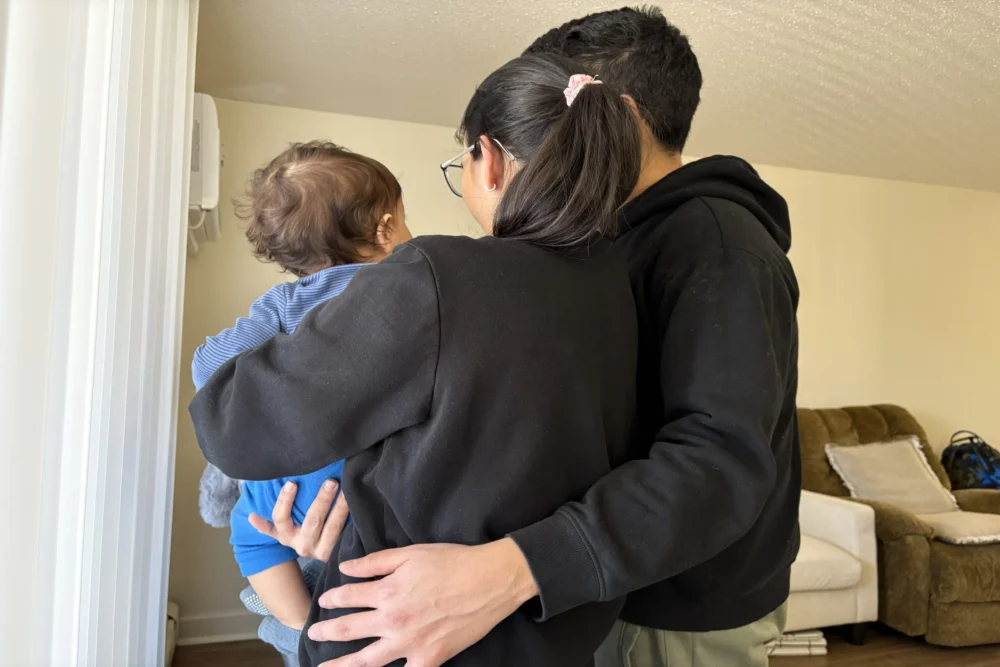
"The pervasive fear instilled by immigration enforcement operations is creating a silent health crisis, forcing vulnerable communities to forgo essential medical care and leading to preventable suffering and potentially life-threatening situations."
The intensified immigration enforcement tactics employed by the U.S. Department of Homeland Security (DHS), particularly the recent "Operation Metro Surge" in Minnesota, have had a profound and detrimental impact on the health and well-being of immigrant communities. Beyond the immediate trauma of deportations and the constant threat of separation, these operations are creating a climate of fear so pervasive that it is directly interfering with access to essential medical care. This chilling effect is forcing individuals, including U.S. citizens and legal residents, to cancel appointments, skip necessary treatments, and delay critical procedures, leading to a significant decline in health outcomes and the emergence of new public health challenges.
The story of Gabi, a two-year-old American citizen with brittle bone disease, encapsulates the devastating consequences of this climate of fear. Her mother, terrified of encountering immigration agents, canceled Gabi’s crucial leg and foot surgery, a procedure deemed essential for her to one day walk. This decision, driven by the palpable anxiety of navigating public spaces, highlights the profound dilemma faced by many: the immediate risk of medical intervention versus the perceived threat of detention and deportation. Gabi’s case is not isolated; across the nation, similar scenarios are unfolding, underscoring the deep and often unforeseen ramifications of immigration enforcement on public health infrastructure.
The reach of these operations, as demonstrated in Minnesota, illustrates the expansive surveillance and detention apparatus utilized by the Trump administration to dismantle immigrant communities. While DHS declared an end to "Operation Metro Surge," anecdotal evidence from healthcare workers suggests that immigration agents continue to be present in hospital parking lots, and surveillance drones are actively monitoring areas where immigrant populations have settled. This ongoing presence, even if not directly engaged in arrests within healthcare facilities, perpetuates a state of heightened alert and anxiety among those who rely on these services. The administration’s assertion that such operations improve public safety is met with stark counter-narratives from medical professionals on the front lines, who witness the direct correlation between enforcement actions and deteriorating health.
The impact of these enforcement actions on healthcare access extends far beyond Minnesota. In Dallas, public health clinics reported a significant drop in vaccinations administered to Latino individuals, a 50% decrease compared to the previous year. Similarly, in Chicago, physicians have had to reroute patients between clinics based on the observed activity of Immigration and Customs Enforcement (ICE) agents. This pervasive climate of fear has led to widespread reductions in healthcare visits among immigrant populations nationwide. In Minnesota alone, healthcare systems reported cancellation and no-show rates as high as 60% since December. A DHS spokesperson attributed these disruptions to "violent agitators" blocking roads and damaging property, a claim that deflects from the direct impact of immigration enforcement presence.
In response to this crisis, healthcare providers and community advocates are developing innovative, albeit informal, networks to deliver care and circumvent the pervasive fear. Doctors and nurses are organizing discreet medical networks to attend to patients in their homes, a practice that has become a lifeline for those too afraid to seek traditional medical settings. Emily Carroll, a nurse practitioner at HealthFinders Collaborative, a community clinic in Faribault, Minnesota, noted the shift: "I used to look someone in the eye and say, ‘You’ll be okay at the hospital.’ But now I can’t guarantee that." This sentiment reflects a profound erosion of trust in healthcare institutions due to the perceived risk of encountering immigration authorities.
The trend of home-based care is gaining momentum across the country. In Los Angeles, St. John’s Community Health has provided medical care to approximately 2,000 immigrant families who were too frightened to leave their homes during a migratory operation, after appointment no-shows exceeded 30%. Many of Minnesota’s larger healthcare institutions have pivoted to telemedicine and reduced in-home care, a strategy that may not adequately address the needs of those who are most vulnerable or lack reliable internet access.
Munira Maalimisaq, co-founder of Inspire Change Clinic in Minneapolis, initiated a volunteer "rapid response" team of around 150 doctors and nurses to conduct home visits after noticing a significant decline in patient attendance. This team has undertaken over 135 home visits, including a critical instance where they assisted a woman in labor whose husband had been deported. Maalimisaq’s team provided immediate support, ultimately facilitating a safe hospital delivery, highlighting the vital role of these grassroots efforts in preventing dire medical outcomes. These interventions demonstrate the ingenuity and dedication of healthcare professionals committed to serving their communities despite immense challenges.
The narratives from these home visits paint a stark picture of the psychological toll of immigration enforcement. Maalimisaq recounts witnessing individuals experiencing extreme stress, to the point of self-harm, and a mother rationing her child’s anti-seizure medication despite the child suffering from continuous seizures. These are not isolated incidents but rather indicators of a systemic breakdown in healthcare access driven by fear.
The DHS maintains that its operations, such as "Operation Metro Surge," have enhanced public safety by arresting individuals with criminal backgrounds. Tricia McLaughlin, a DHS spokesperson, stated that over 4,000 undocumented immigrants with criminal records, including murderers and rapists, were arrested. However, data from the DHS itself reveals that only 29% of ICE arrests nationwide in January were of individuals with criminal convictions, and a smaller proportion had been convicted of violent crimes. This suggests a disconnect between the stated objectives of these operations and their actual impact on the demographics of those apprehended.
A significant factor contributing to the fear is the reversal of a 2011 policy that prohibited immigration enforcement in "sensitive locations" like churches, schools, and hospitals. This change has emboldened immigration agents to operate in closer proximity to healthcare facilities and educational institutions. In Northfield, Minnesota, ICE agents have been observed in vehicles outside the local hospital, leading to an atmosphere of intimidation. Carroll and her colleagues report daily arrests in the area, prompting volunteers to transport children to and from school to shield them from potential encounters. The DHS, while denying operations within hospitals, acknowledges the presence of agents in the vicinity.
Surveillance drones further amplify the sense of being watched and targeted. In areas with a high concentration of immigrant residents, such as a mobile home park populated by agricultural and manufacturing workers, drones are a nightly presence, prompting families to cover their windows. "You can’t feel safe anywhere," Carroll stated, describing the constant anxiety of encountering ICE agents during everyday activities. This pervasive fear is leading to the neglect of chronic conditions. Patients with diabetes and heart disease are missing essential blood sugar and blood-thinning checks, forgoing exercise, and experiencing a worsening of their health.
In response, clinics like the one in Faribault are adapting by delivering medications, food, and necessities directly to patients and providing transportation for students. Home-based care has become a necessity, with healthcare providers offering cautious guidance on when to seek emergency medical attention, acknowledging the inherent risks involved.
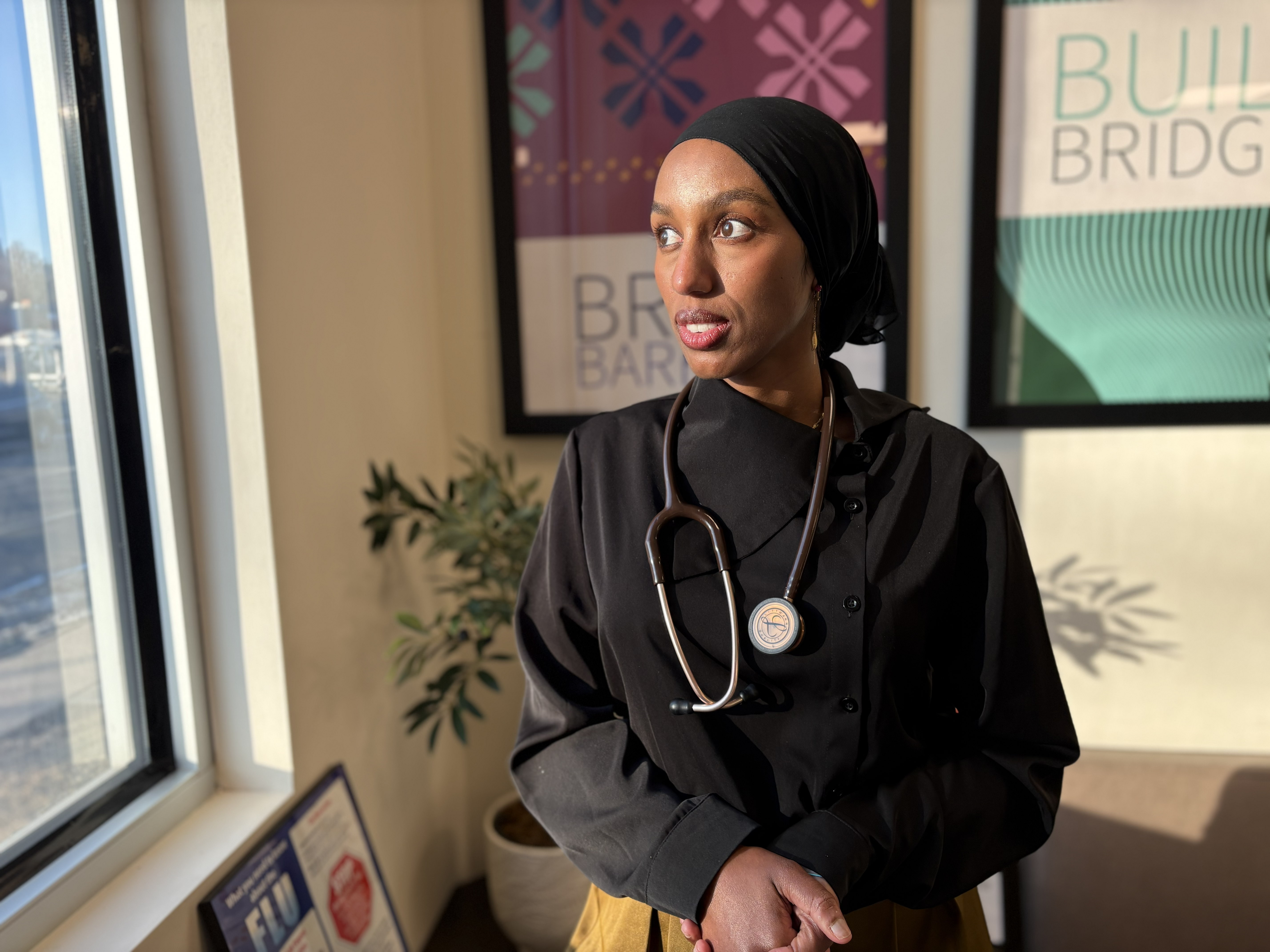
Amidst this challenging landscape, a sense of community solidarity is emerging. Fernanda Honebrink, a nurse midwife and U.S. citizen who immigrated from Ecuador, prefers to describe the informal medical networks not as "clandestine" but as a reflection of how Minnesotans "help each other." Honebrink is part of a growing network of healthcare providers who are coordinating care for fearful families who remain isolated in their homes.
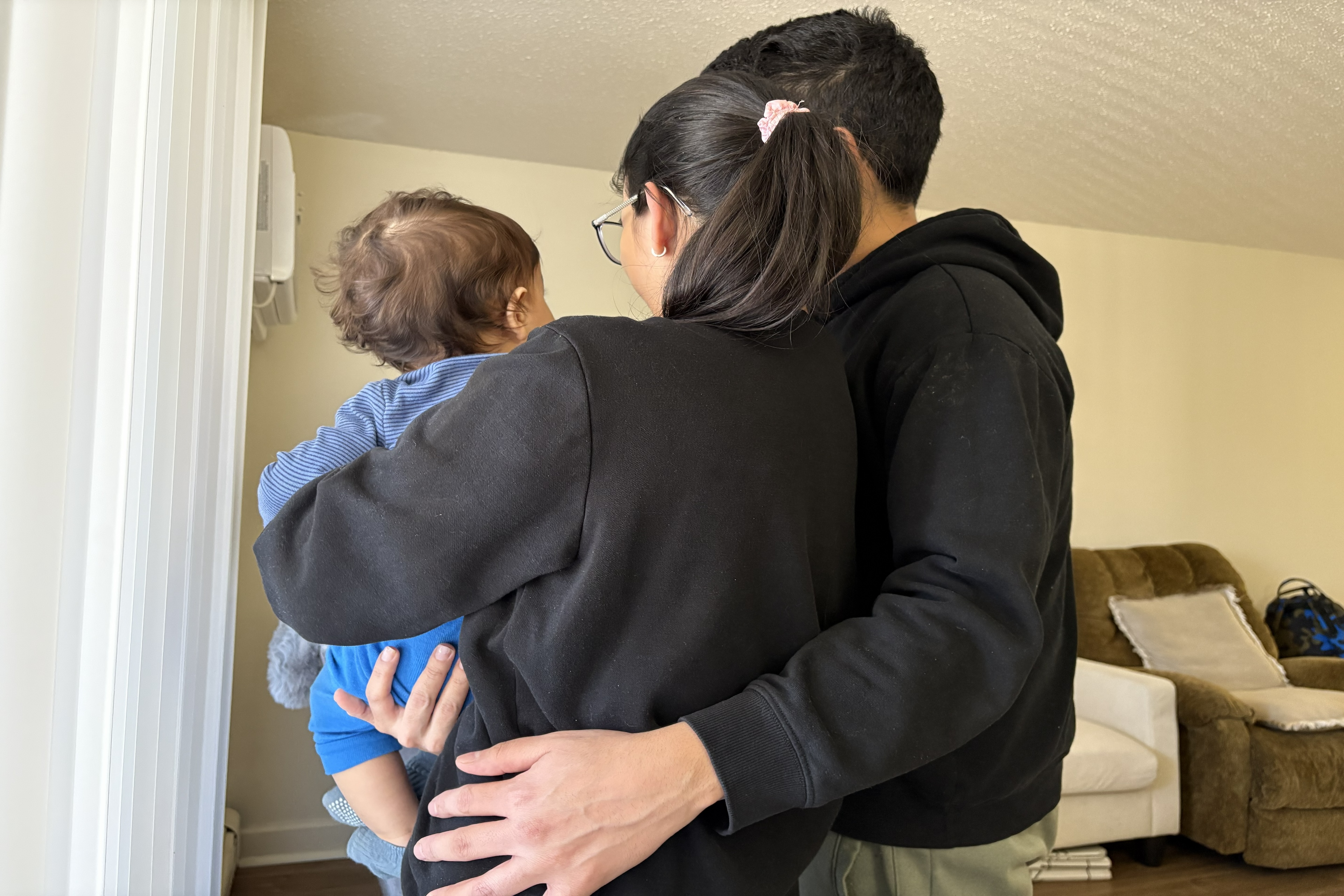
The story of Alex and Isa, a Venezuelan couple who entered the U.S. under a now-discontinued Humanitarian Parole program, exemplifies the anxieties faced by families. They have not left their apartment for over a month, torn between their child’s need for medical care and the fear of not returning. Alex, a mechanical engineer, witnessed colleagues with valid work permits being detained and deported, a terrifying prospect for those fleeing political instability and economic hardship in Venezuela. The psychological toll is immense, with Isa experiencing postpartum depression compounded by the fear of separation from her U.S. citizen child.
The fear of family separation is a powerful motivator for seeking support. When Isa was advised to sign a form designating temporary custody for her child in case of deportation, the emotional impact was profound. Honebrink, witnessing this distress, immediately offered to sign the form, demonstrating the deep commitment of these volunteers. This act of solidarity underscores the human element in navigating the complex realities of immigration enforcement and healthcare access.
Through Honebrink’s coordination, the child received necessary vaccinations and blood tests, facilitated by a verified driver and a new appointment. This small victory, documented by a photo of the child with a bandage on their leg, represents a significant achievement in a climate where basic healthcare is fraught with peril. However, the resolution of more complex medical needs remains a significant challenge.
Gabi’s surgery has been rescheduled for August, with her mother hoping that by then, it will be safe to leave their home. Her sentiment, "They grab people and mistreat them. It’s scary to go out. I wish what is happening would end soon!" echoes the profound longing for a return to normalcy and safety. The pervasive fear generated by immigration enforcement operations has created a public health emergency, demanding urgent attention and a re-evaluation of enforcement strategies to ensure that fear does not supersede the fundamental right to health and well-being.