
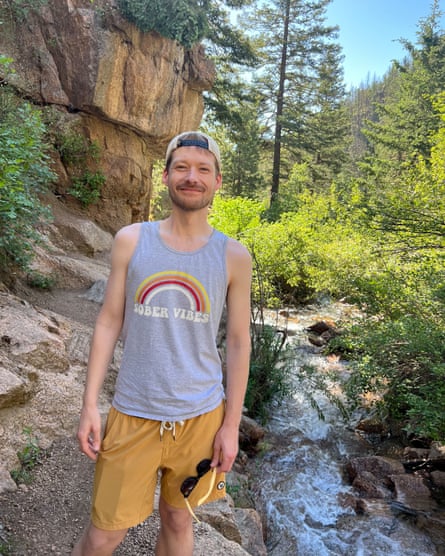
"Longevity fixation syndrome represents a modern intersection of existential anxiety and biohacking, where the compulsive pursuit of an endless future can ultimately dismantle the quality of life in the present."
While the advancement of medical science and personal wellness has provided unprecedented tools for health optimization, a growing number of individuals are finding themselves trapped in a cycle of hypervigilance known as longevity fixation syndrome. This condition, characterized by an obsessive need to monitor biomarkers and control every physiological variable, often masks a deep-seated fear of mortality triggered by personal trauma or global instability. As the anti-aging industry swells into a multi-billion-dollar market, psychologists are increasingly warning that the quest for immortality may be creating a new frontier of mental health disorders.

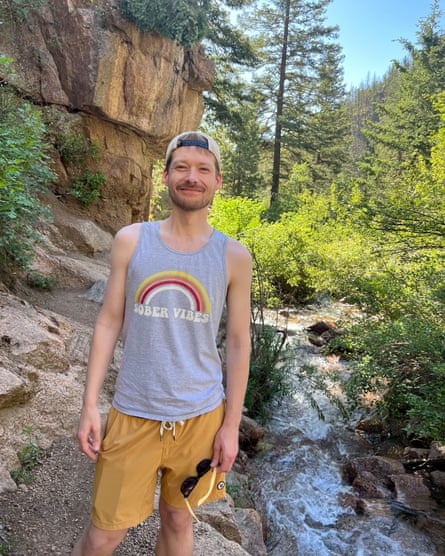
For Jason Wood, the breaking point was not a medical emergency or a failed lab result, but a simple piece of pitta bread. After weeks of meticulously researching a restaurant for a trip with his husband, the 40-year-old was served hummus with bread instead of the vegetable crudités he had preordered. In that moment, the carefully constructed edifice of his controlled life collapsed. Wood describes a visceral reaction—shaking, crying, and a profound sense of being crushed by the immense pressure he had placed upon himself to maintain a "perfect" biological record.
At the height of his obsession, Wood’s life was a masterclass in data-driven living. He rose at 4:00 AM, adhering to a rigid schedule of twice-daily workouts and a diet that fluctuated between raw, organic, and unprocessed foods. Every calorie was counted; every bodily function, from heart rate and blood pressure to glucose levels and sleep cycles, was tracked with digital precision. His commitment extended to the clinical, involving twice-monthly visits to wellness centers for intravenous vitamin cocktails and supplemental oxygen treatments, costing upwards of $300 per session. Over time, he spent approximately $10,000 on blood tests to monitor 20 different biomarkers, including testosterone and creatinine.
Wood’s story is no longer an isolated case of extreme wellness. It is the face of a burgeoning psychological phenomenon that Jan Gerber, CEO of the Swiss mental health clinic Paracelsus Recovery, has termed "longevity fixation syndrome." This unofficial diagnosis describes an anxiety-driven, compulsive obsession with life extension. While closely related to orthorexia—an eating disorder centered on a fixation with "clean" food—longevity fixation syndrome is more expansive, encompassing an array of variables from environmental toxins to genetic manipulation.
The rise of this syndrome is inextricably linked to the explosion of the longevity industry. Once the domain of speculative science and Silicon Valley labs in the 1990s, the idea that human biology can be "hacked" to slow or reverse aging has moved into the mainstream. In 2023, the global market for complementary and alternative medicine for anti-aging and longevity was valued at $63.6 billion, with projections suggesting it will reach nearly $248 billion by 2030. This market is fueled by a potent mix of legitimate scientific breakthroughs, celebrity endorsements, and "tech-bro" influencers who treat the human body like a piece of software to be optimized.
The cultural zeitgeist is saturated with examples of this quest. Tech mogul Bryan Johnson has become the poster boy for the "Don’t Die" movement, famously undergoing plasma infusions from his teenage son and attempting to build an algorithm to govern his biological choices. In Hollywood, Jennifer Aniston reportedly utilizes peptide injections for skin rejuvenation, while Orlando Bloom has explored methods to filter microplastics from his blood. For the average consumer, this translates into a relentless stream of content promoting cold plunges, red-light therapy, and a dizzying array of supplements like metformin, a diabetes drug used off-label for its purported anti-aging properties.
However, the psychological toll of this pursuit is becoming harder to ignore. Dr. Sarah Boss, clinical director of the Balance Rehab Clinic, notes a significant increase in clients presenting with longevity-related anxieties. Many of these individuals are affluent, high-achieving professionals who arrive at residential treatment programs with their own hyperbaric oxygen chambers and infrared saunas. They are often disconnected from their own physical sensations, relying entirely on wearable devices like the Oura Ring to tell them if they are well.

Psychotherapists argue that at its core, longevity fixation is a defense mechanism against the "uncontrollable." For Jason Wood, the obsession was rooted in the premature loss of both parents to cancer—his father when he was 11 and his mother when he was 19. By controlling his biomarkers, he was attempting to negotiate with death. This existential dread was further exacerbated globally by the COVID-19 pandemic, which served as a stark reminder of human frailty. Lina Mookerjee, a senior accredited psychotherapist, observes that as many as 75% of her clients now show symptoms of this fixation, characterized by a "superhero syndrome" where individuals try to override illness or loss through sheer willpower and data.
The irony of longevity fixation is that the stress of the obsession may actually undermine the very health goals it seeks to achieve. Chronic stress and hypervigilance trigger the body’s cortisol response, which is linked to inflammation and accelerated cellular aging. Furthermore, the social isolation required to maintain such rigid routines can be detrimental to long-term health, as social connection is consistently identified as one of the primary "Blue Zone" factors for a long life.
Scientific research also provides a sobering reality check. A study published in the Proceedings of the National Academy of Sciences (PNAS) analyzed mortality data across 23 high-income countries and concluded that no generation born after 1939 is expected to reach an average age of 100, despite the proliferation of biohacking tools. This suggests that while lifestyle interventions can improve "healthspan"—the period of life spent in good health—the biological ceiling of human "lifespan" remains largely resistant to current interventions.

Recovery from longevity fixation syndrome often requires a radical shift in perspective: the acceptance of mortality. For patients like Wood and Mark, a 26-year-old from the Netherlands who suffered panic attacks over his blood pressure readings, the path back to health involved "unplugging." Therapists encourage patients to reconnect with their nervous systems through instinctive activities like yoga, breathwork, and sports played for enjoyment rather than "optimization."
Wood’s journey to recovery involved deleting his tracking apps and relaxing his dietary restrictions—a process he describes as losing a security blanket. Now serving as the director of community engagement for the National Association of Anorexia Nervosa and Associated Disorders (ANAD) in the U.S., Wood is a vocal advocate for a more balanced approach to wellness. He acknowledges the difficulty of maintaining this balance in a culture that rewards obsessive health behaviors, but emphasizes that true longevity is found in the ability to live fully in the present.
As the longevity industry continues to evolve, the challenge for medical and mental health professionals will be to distinguish between proactive health management and pathological obsession. While the dream of a longer life is a universal human desire, the emerging clinical data suggests that the most effective "biohack" may be the simplest one: learning to live with the uncertainty of being human. Without this psychological foundation, the pursuit of an endless future risks becoming a gilded cage that prevents individuals from enjoying the life they already have.