
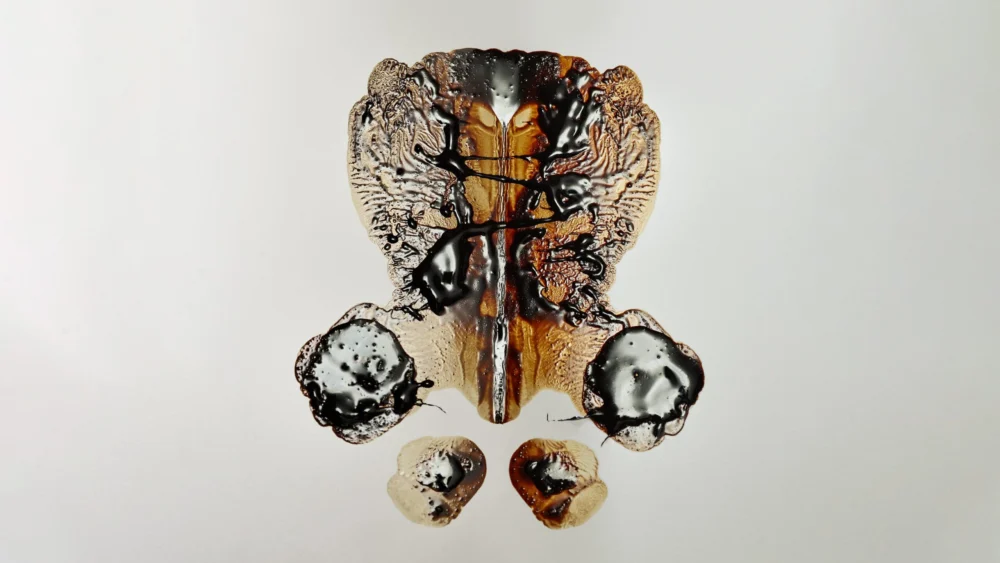
"As shilajit transforms from a niche Ayurvedic remedy into a multimillion-dollar global industry, the gap between aggressive social media marketing and rigorous scientific safety standards continues to widen, exposing consumers to potential heavy metal toxicity."
This ancient resin, once the well-guarded secret of Himalayan villagers, has recently exploded into the Western consciousness as a "super-supplement" promised to enhance everything from testosterone to cognitive function. However, the rapid commercialization of shilajit has outpaced regulatory oversight, leading to a "Wild West" marketplace where AI-generated deepfakes and industry-funded studies often obscure the very real dangers of heavy metal contamination and geological pollutants.

In a glass-walled conference room overlooking the Chicago skyline, the modern face of the wellness industry looks less like a sleek pill bottle and more like a dollop of road tar. Sarah Chen, a 35-year-old marketing director and dedicated CrossFitter, exemplifies the new demographic of shilajit consumers. Despite a medicine cabinet historically limited to basic multivitamins, Chen recently found herself dissolving a pungent, inky substance into hot water, driven by a social-media-fueled hope that this "mountain resin" could cure her chronic work-related exhaustion.
Chen is not alone. Shilajit has transitioned from a fringe Ayurvedic cure-all to a global industry valued at $163 million in 2023, with projections suggesting a surge to $385 million by 2033. Yet, as the substance becomes a staple for high-performers and "biohackers," the scientific and regulatory community is sounding an increasingly urgent alarm. The "conqueror of mountains," as its Sanskrit name translates, may be bringing the toxicity of the earth along with its minerals.
The Lore and the Landscape
The history of shilajit reads like ancient mythology. For four millennia, practitioners of Ayurveda—India’s traditional holistic medicine system—have prized the resin that oozes from Himalayan cliff faces during the summer heat. Classified as a rasayana (rejuvenator), it was traditionally used to treat diabetes, sexual dysfunction, and general frailty. Geologically, it is a complex organic substance formed over centuries by the decomposition of plant and microbial matter trapped between rock layers.

In its raw state, shilajit is a viscous, tar-like resin containing over 85 minerals and its primary active component, fulvic acid. This acid is an electrolyte that enhances nutrient absorption and possesses antioxidant properties. For the Sherpa people of Nepal, shilajit is a dietary staple credited with providing the extraordinary endurance required for high-altitude mountaineering.
However, the journey from a Himalayan cliff to a Chicago conference room involves a process of purification and standardization that is rarely transparent. As demand has spiked, the market has become cutthroat. Companies frequently accuse one another of selling "fake" shilajit—claiming competitors use coal tar, charcoal, fertilizers, or molasses to mimic the resin’s appearance. This aggressive infighting highlights a core problem: in an unregulated market, the line between an ancient remedy and a modern scam is dangerously thin.
The "Huberman Effect" and the Testosterone Trend
The modern American boom can be traced, in part, to a single digital inflection point. In January 2023, Dr. Andrew Huberman, a Stanford neuroscientist and host of the massively influential Huberman Lab podcast, discussed shilajit in an episode focused on rational supplementation. Huberman noted that shilajit, specifically its fulvic acid content, could potentially increase follicle-stimulating hormone (FSH) and indirectly boost testosterone and libido.

In the post-pandemic landscape, where interest in "hormone optimization" and testosterone replacement therapy (TRT) has reached a fever pitch, Huberman’s mention acted as a catalyst. Millions of listeners sought out the resin, viewing it as a natural alternative to pharmaceutical interventions. This surge in interest coincided with a broader trend of "biohacking," where individuals seek out fringe substances to gain a competitive edge in their physical and professional lives.
Shady Science and Industry Influence
While the anecdotal evidence for shilajit is vast, the clinical evidence is remarkably thin. Proponents often cite a 2016 study published in Andrologia, which showed a 20 percent increase in total testosterone among 38 healthy men over 90 days. Another 2010 study suggested improvements in sperm count for infertile men.
However, a closer look at these studies reveals a significant conflict of interest. Both were funded, at least in part, by Natreon, an Ayurvedic supplement company that manufactures shilajit extract. In the world of independent research, there is no consensus on the efficacy of shilajit. Nutrition researcher Layne Norton, PhD, notes that almost every study with a positive outcome is linked to the supplement industry. Independent, large-scale, peer-reviewed human trials remain non-existent, leaving consumers to rely on data that may be biased toward a commercial outcome.

The Heavy Metal Threat
The most significant danger associated with shilajit is not its lack of efficacy, but its potential for toxicity. Because shilajit is a product of the earth, it is susceptible to the same pollutants found in its environment. A 2025 study published in BMC Chemistry assessed 18 samples of shilajit and found that every single one contained thallium—a highly toxic heavy metal and known carcinogen—at levels exceeding safe daily limits. None of the products disclosed this on their labels.
Other peer-reviewed studies have identified dangerous concentrations of lead, mercury, arsenic, and cadmium in shilajit products. These metals are "priority contaminants" that can cause permanent organ damage, neurological issues, and cancer. The risk is high enough that Health Canada has banned specific shilajit products, and Australia’s Therapeutic Goods Administration has issued stern public warnings.
In the United States, however, the regulatory landscape is more permissive. Because shilajit is sold as a dietary supplement, it does not require premarket FDA approval. The FDA generally only intervenes after a product has reached the market and caused harm or made illegal medical claims. For instance, in 2017, the FDA warned one group for claiming shilajit could treat cancer and kidney stones. But with thousands of new brands appearing on Amazon and social media, the agency lacks the bandwidth to monitor every jar of resin.

The Wild West of Marketing: Deepfakes and Deception
The desperation for market share has led some companies to employ deceptive technology. In early 2023, deepfake videos of Elon Musk began appearing on social media, with the AI-generated voice of the Tesla CEO claiming that shilajit was his "most powerful source of energy" and an "anti-aging remedy." While fact-checkers quickly debunked these videos, they had already reached millions of potential buyers.
This "Elon Effect" is part of a broader strategy of using AI to create perceived celebrity endorsements. With some premium shilajit brands charging as much as $333 for a 28-day supply, the financial incentive for deception is immense. Consumers are often caught in a crossfire of "mud-slinging" marketing, where every brand claims to be the only "pure" source while dismissing all others as toxic.
The "Detox" Delusion
On platforms like Reddit, users frequently report severe side effects from shilajit, including intense headaches, stomach pain, heart palpitations, and anxiety. Alarmingly, many proponents within these communities dismiss these symptoms as "detox sensations." They claim that the fulvic acid is simply "flushing toxins" from the body and urge users to "push through" the pain.

Medical experts, however, point out that abdominal pain, diarrhea, and weakness are classic symptoms of heavy metal poisoning, not "detoxification." Dr. Lamees Hamdan, an integrative medical doctor, warns that the way shilajit is processed is critical to its safety. Without an Ayurvedic practitioner’s oversight or rigorous third-party testing (such as NSF certification), consumers have no way of knowing if they are consuming a healing resin or a concentrated dose of industrial pollutants.
The Sunk Cost of Wellness
For many consumers, the allure of an "all-natural wonder drug" is hard to resist. Sarah Chen, despite being underwhelmed by the results after two months, admitted she would finish her supply because of the "sunk cost" of her purchase. This psychological trap—where the high price of a supplement makes the consumer more likely to believe in its efficacy—is a boon for the industry.
The scientific consensus remains firm: while shilajit’s 85 minerals and fulvic acid are intriguing from a biochemical perspective, the risks currently outweigh the proven benefits. Until the industry adopts universal standards for purity and heavy metal testing, the "conqueror of mountains" remains a significant gamble for the average consumer. As Dr. Hamdan concludes, "You cannot just rely on one ‘miracle herb.’ Your body needs a ‘rainbow’ of healthy ingredients and a foundation of proven safety to function optimally."