

"The rapid proliferation of highly potent synthetic opioids, often disguised within other illicit substances, is precipitating a catastrophic public health crisis across the UK, claiming lives with alarming frequency and devastating families who are often unaware of the hidden danger."
The United Kingdom is grappling with an escalating and deeply concerning public health emergency driven by the widespread infiltration of nitazenes, a class of synthetic opioid drugs whose potency vastly surpasses that of traditional heroin. These dangerous substances are increasingly being linked to hundreds of accidental overdose deaths, often unbeknownst to those who consume them, as they are surreptitiously mixed into or substituted for other illicit drugs in the supply chain. This crisis highlights a complex interplay of illicit drug manufacturing, vulnerable populations, systemic healthcare and law enforcement challenges, and a critical need for enhanced public awareness and intervention strategies.

The Alarming Rise of Nitazenes and Their Lethal Impact
Nitazenes represent a new frontier in the opioid epidemic, posing an existential threat due to their extreme potency. Experts caution that these synthetic compounds can be many times more potent than heroin, meaning even a minuscule, unperceivable dose can prove fatal. The grim reality is that a significant number of individuals are ingesting these deadly drugs inadvertently, as unscrupulous dealers use them as cheap, potent substitutes or adulterants within substances like heroin, cocaine, or even counterfeit prescription medications. This practice eliminates any informed choice on the part of the user, transforming a recreational or habitual drug use into a lethal gamble.
The scale of the crisis in the UK is particularly stark. Professor Michel Kazatchkine, a founding member of the Global Commission on Drugs Policy, has highlighted that the UK is "by far outpacing all other countries [in Europe] and it’s even outpacing Canada" in the number of nitazene-related fatalities. An analysis of 286 inquest records, linked forensically to nitazenes by March 2025, paints a harrowing picture, although these figures are likely an underestimation due to reporting delays and the voluntary nature of coroner data submission. The true human cost is almost certainly higher, underscoring the urgent need for more comprehensive data collection and rapid response mechanisms.

Personal Tragedies: Gus and Joe’s Stories
Behind the alarming statistics are individual tragedies, each representing a life cut short and a family shattered. Gus, a vibrant 21-year-old, had just returned home to the UK after six months of travelling through Mexico, filming volcanoes and documenting the effects of climate change. His experiences had solidified his ambition to pursue a journalism degree. However, a week after his return, his mother, Nicola, found him dead, a victim of an unintentional overdose. Gus had taken what he believed to be oxycodone, a strong pain medication illicitly purchased, to aid sleep.
Three months later, Nicola, a consultant radiologist with a career rooted in medicine, received a post-mortem report that revealed the devastating truth: the tablet contained a deadly nitazene. She had never heard of these synthetic opioids. The coroner’s subsequent conclusion pinpointed his death as drug-related, directly caused by the "substitution" of a nitazene for the drug he intended to consume. Nicola’s grief is profound: "I loved him very much and his loss is massive. The awful thing is, I think he was at one of the best places in his life." Her experience underscores the insidious nature of nitazenes, catching even medically informed individuals by surprise.

Another heartbreaking case is that of Joe, a 39-year-old man living in a Camden hostel, who battled schizophrenia and substance misuse disorder. Joe died from an overdose involving heroin adulterated with nitazenes. His mother, Jude, describes him as a "wonderful, sensitive, caring, intelligent, talented young man" who "had a right to live." Joe’s death brought to light a critical systemic failure: neither the hostel nor the mental health NHS Trust treating him were permitted to issue naloxone kits to residents or patients known to use drugs. Naloxone is an opioid antidote capable of reversing an overdose, a potentially life-saving intervention. Jude expressed deep frustration at the delay in expanding naloxone access, deeming it "negligent" that it took nearly a year after her son’s inquest for a government consultation on the matter to begin. "I feel it diminishes the value of my son’s life and the tragedy of his death," she stated, emphasizing that vulnerable individuals like Joe remain "hugely at risk."
The Broader Landscape of Vulnerability and Under-reporting
The victims of nitazene-related deaths are often among the most vulnerable members of society. Dr. Caroline Copeland, director of the National Programme on Substance Abuse Deaths (NPSUM) and a senior lecturer in pharmacology and toxicology at King’s College London, highlighted that more than one in five individuals identified in the inquest records experienced "a lack of stable housing, living in the most deprived parts of the country with incredibly high levels of unemployment and with a high burden of mental health disorders." This demographic profile underscores the need for a holistic approach to drug policy that addresses underlying social determinants of health and vulnerability.

Furthermore, the true extent of the nitazene crisis may be significantly under-reported. Dr. Copeland has co-authored recent research suggesting that nitazene-related deaths could be underestimated by up to a third. This is primarily due to the rapid deterioration of nitazenes in post-mortem blood samples, which often occurs before forensic analysis can detect them, making accurate identification challenging within typical real-world handling times for forensic samples. This analytical challenge, combined with inconsistencies in coroner reporting, means that the official figures likely only capture a fraction of the devastating impact.
Systemic Failures and Inadequate Responses
The glaring gap in naloxone provision is a critical failure. Despite being a proven opioid overdose reversal drug, it was detected in only one in every seven inquest records where nitazenes were implicated. This low rate is particularly alarming given the extreme potency of nitazenes, which often require multiple doses of naloxone to reverse an overdose. The Department of Health and Social Care’s belated 10-week consultation, which began in December, on expanding naloxone access is a step in the right direction, but critics argue its implementation is far too slow given the urgency of the crisis. Restrictive regulations, a lack of widespread training, and institutional barriers often prevent frontline services and individuals from carrying and administering this life-saving medication.
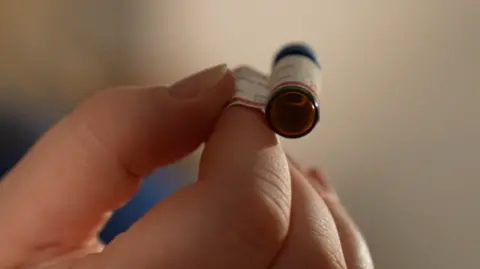
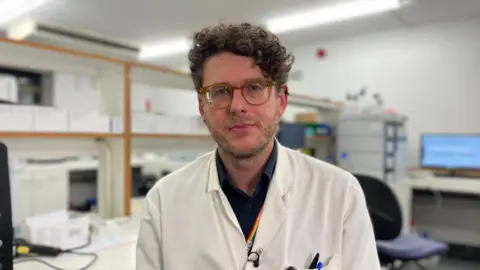
Compounding these issues are inconsistencies in drug testing capabilities across the UK. Dr. Alex Lawson, a consultant clinical scientist in toxicology for University Hospitals Birmingham NHS Foundation Trust, pointed out that while his team routinely tests for up to 2,500 different types of drugs, this level of comprehensive investigation is not uniform across all coroner areas. "The nitazenes that people are testing for will vary from lab to lab, and not every laboratory will be able to keep up to date with the newest nitazenes that are on the market," he explained. This disparity means that the detection of nitazenes can be a postcode lottery, leading to missed diagnoses and a skewed understanding of the true prevalence of these drugs. Following a significant spike in nitazene-related deaths in Birmingham in summer 2023, the city’s agencies shared crucial lessons to inform contingency plans elsewhere, highlighting the reactive rather than proactive nature of much of the response.
The Illicit Supply Chain and Mis-selling Epidemic
The National Crime Agency (NCA) has shed light on how nitazenes are entering the UK. Due to their extreme potency, these substances can be smuggled in remarkably small volumes via post, making them difficult to detect. Adam Thompson, the NCA’s head of drugs threat, stated that "organised criminals’ sole motivation for using nitazenes is greed." They procure potent nitazenes cheaply and then blend them with other drugs to enhance the product’s perceived strength, thereby maximizing profits at immense risk to users. This mercenary approach underscores the cynical disregard for human life by those involved in the illicit drug trade.

The UK’s only national drug-testing service, WEDINOS, further corroborates the rampant mis-selling and adulteration. Its most recent annual report revealed that over a third of the samples tested did not contain the substance the purchaser intended to buy, with many also containing additional, undeclared substances. Dr. Copeland noted a worrying trend: at the beginning of 2023, nitazenes were primarily found contaminating heroin, but they are now increasingly appearing as complete substitutes for other drugs. This "complete mis-selling" is profoundly concerning, as users are deprived of any knowledge about what they are consuming, rendering them incapable of taking necessary precautions or understanding the risks.
Government and Charity Responses: Steps Forward, Remaining Gaps
In response to the growing crisis, the government initiated a new campaign in October 2025, targeting 16 to 24-year-olds and social media users, aiming to raise awareness of drug harms, including nitazenes. Funding for council public health schemes has been guaranteed for the next three years, with £3.4 billion specifically protected for drug and alcohol prevention, treatment, and recovery. A government spokesperson, while declining an interview, affirmed their strategy includes strengthening border security to block "these lethal substances from entering the country" and noted that naloxone is now carried by officers in 32 out of 45 police forces across the UK.

While these measures are acknowledged, grassroots initiatives are also playing a vital role. In Sandwell, West Midlands, the charity Cranstoun is piloting a pioneering outreach service called DEMO (Dynamic Evolving Model of Outreach). Sue McCutcheon, a nurse with over three decades of experience, proactively seeks out individuals on the street with substance dependence issues who may not engage with traditional services. Crucially, she can prescribe treatments and directly hand out naloxone, a practice she views as "a duty of care or a moral issue." Her question resonates: "If these people don’t come into our buildings to get naloxone, where are they going to get it from?" Her project exemplifies the kind of proactive, compassionate intervention needed to bridge the gap between vulnerable individuals and life-saving support.
The Human Cost and Call to Action
Nicola, Gus’s mother, articulates the profound societal challenge inherent in this crisis: the pervasive stigma surrounding drug-related deaths. "You don’t want your child to be judged. There’s always a stigma with certain types of death and substances is one of them," she shared. Her initial reluctance to speak out gave way to a powerful conviction: "I have to tell his friends and I have to tell people." Her son, she believes, simply sought a moment of peace, a respite from sleeplessness. "He wasn’t a great sleeper. I think he just thought he would take something, it would relax him and he would just have a nice sleep that night, and it put him to sleep and he never woke up."
Gus’s story, like Joe’s and hundreds of others, serves as a stark reminder of the devastating human cost of the nitazene crisis. These are not merely statistics; they are individuals whose lives were tragically cut short, often due to accidental exposure to an incredibly dangerous and poorly understood substance. The widespread proliferation of nitazenes demands a multi-faceted and urgent response: enhanced public awareness campaigns, rapid and uniform drug testing capabilities, drastically expanded access to naloxone for both emergency services and the public, robust law enforcement efforts to dismantle illicit supply chains, and, crucially, a compassionate and non-judgmental approach to supporting vulnerable individuals struggling with substance dependence. Only through such comprehensive and collaborative action can the UK hope to stem the tide of this silent, deadly scourge and prevent further preventable tragedies.