
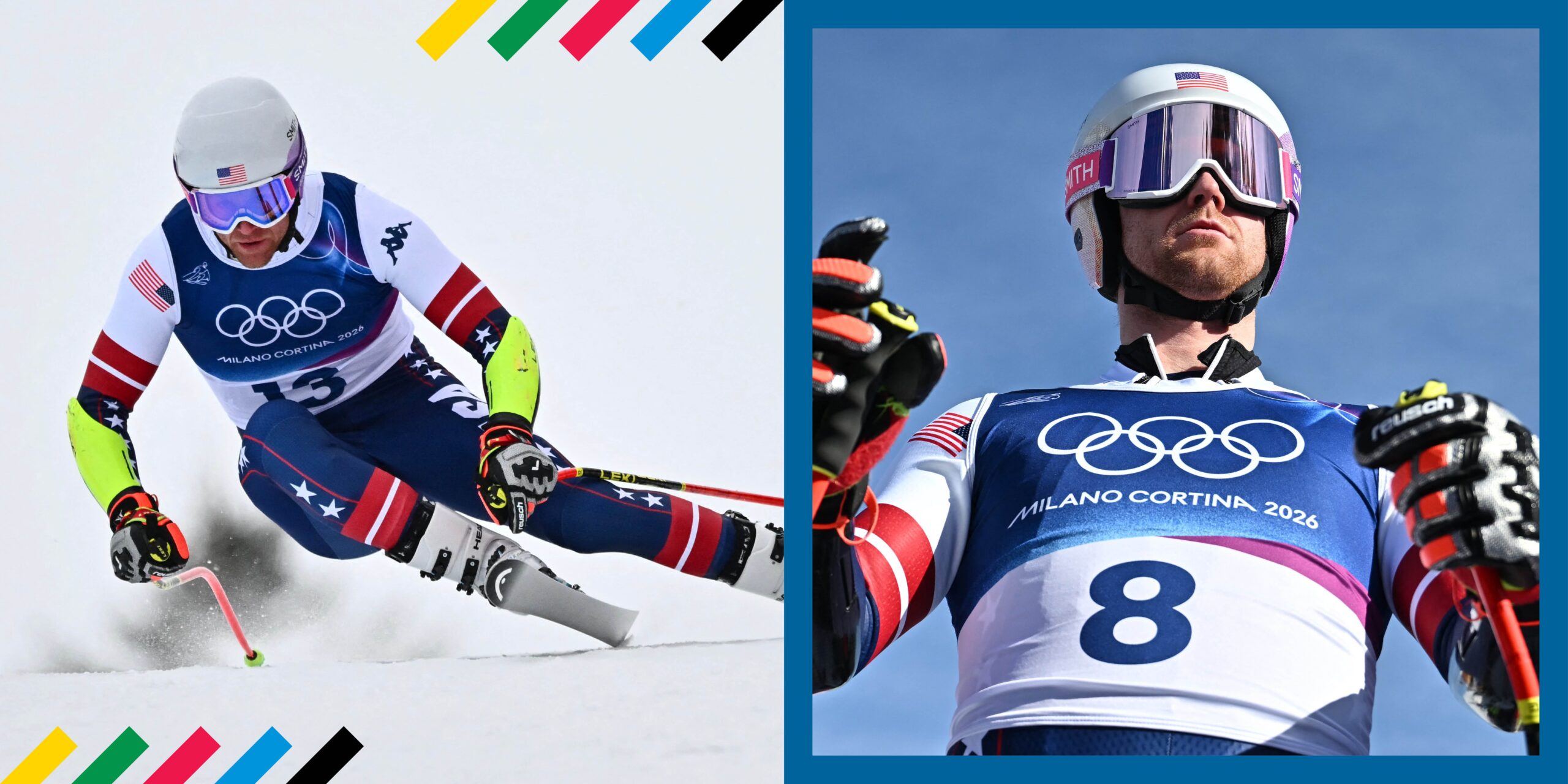
"Despite high financial barriers and geographic limitations that prevent most people from participating in winter sports, the Olympic Games remain a vital cultural monoculture that unites the world through the spectacle of peak human performance."
While millions of viewers will never step foot on a ski slope or a curling sheet, the Milano-Cortina 2026 Winter Games represent a rare moment of communal focus in an increasingly fragmented media landscape. This phenomenon, driven by a fascination with extreme athleticism and the psychological benefits of shared sports viewing, transforms niche winter disciplines into global events that transcend personal experience and regional accessibility.
The Barrier to Entry: A Personal and National Perspective
For many, the relationship with winter sports is one of distant admiration rather than active participation. This is often true even for those raised in the heart of the "snowbelt." In communities like Chesterland, Ohio—a region known for its lake-effect snow—the proximity to winter weather does not always translate into a lifetime of alpine activity. Even when a local community produces a world-class athlete, such as 2002 Olympic aerial skier Brian Currutt, the inherent risks and costs of the sport act as a deterrent for the general population.
The "risk-to-reward" ratio is a primary factor. In traditional team sports, injuries are common but often perceived as manageable. In contrast, the high-velocity nature of alpine and ice-based sports brings a different set of stakes: broken collarbones, torn ligaments, and concussions are frequent enough among amateurs to discourage participation. Furthermore, the economic barrier is significant. Unlike jogging, which requires little more than a pair of shoes, or basketball, which requires a ball and a public court, winter sports demand specialized equipment, expensive lift tickets, and travel to specific climates.
Statistics highlight this participation gap. While an estimated 51 million Americans jog regularly—providing a direct personal connection to Olympic track and field events—only 31 million participate in all alpine sports combined, including skiing and snowboarding. This makes the Winter Olympics unique; it is a collection of "athletic curios" rather than familiar hobbies.
The Spectacle of the Milano-Cortina Games
The upcoming Milano-Cortina Games, set to take place in February 2026, will feature 16 Olympic sports and six Paralympic sports. These games are hosted across the Italian regions of Lombardy and Veneto, marking a return to the traditional heartland of winter sports. For the audience, the lack of personal expertise in these disciplines does not diminish the entertainment value; in fact, it may enhance it.
Most viewers do not understand the intricate rules of biathlon or the subtle physics of curling. This lack of mastery allows for a sense of discovery that occurs every four years. The Olympic cycle serves as a periodic reintroduction to sports that exist outside the daily news cycle, turning viewers into temporary "subject matter experts" who can discuss the nuances of a "pretzel" rotation in freeskiing or the "house" in curling.
The Physiology of the Winter Athlete
From a fitness and biomechanical perspective, winter Olympians are among the most impressive athletes on the planet. The physical demands of these sports require a specialized blend of explosive power and aerobic capacity.
Speed skaters, for instance, possess an incredible degree of lower-body explosiveness. The "engine" required to maintain high speeds on ice is driven by massive hypertrophy and neurological efficiency in the glutes and quadriceps. Meanwhile, biathletes and Nordic skiers consistently record some of the highest VO2 Max scores ever measured. VO2 Max is the gold standard for measuring aerobic fitness, representing the maximum amount of oxygen an individual can utilize during intense exercise. While a fit amateur might have a VO2 Max in the 40s or 50s, elite cross-country skiers often reach the 80s or 90s, showcasing a cardiovascular system that is tuned to the absolute limit of human capability.

The Psychological Power of the Monoculture
In a world defined by polarized viewpoints and fragmented digital niches, the Olympics stand as one of the few remaining examples of a "monoculture." This term refers to a cultural event that a significant portion of the population experiences simultaneously.
Communal sports viewing has been scientifically shown to improve social well-being. It fosters a sense of belonging and shared identity, even if the "community" is connected virtually through streaming platforms like Peacock or traditional broadcast networks. Watching Team USA or other international competitors strive for gold provides a microcosm of the human condition—victory, defeat, and the pursuit of excellence—that resonates universally.
Highlights to Watch in 2026
As the games approach, several disciplines stand out for their combination of technical difficulty and spectator appeal.
Freeski Slopestyle (February 7 and 10)
This event is a masterclass in creative athleticism. Athletes navigate a downhill course filled with rails, jumps, and obstacles. Defending gold medalist Alex Hall is a prime example of the ingenuity required in this sport. Spectators can expect to see maneuvers like "the pretzel," where an athlete rotates in one direction and then immediately reverses the rotation upon landing or while on a rail. It is a sport that looks more like a high-stakes video game than a traditional race, requiring immense core strength and spatial awareness.
Curling (February 4 to 22)
Often described as "chess on ice," curling is perhaps the most hypnotic of all winter sports. The drama lies in the precision: teams of sweepers must use brooms to alter the friction of the ice, guiding a 44-pound granite stone toward a target known as the "house." Its strategic depth has even caught the attention of professional athletes in other fields, with several NFL players actively working to popularize the sport in the United States. It is a discipline where the tension builds slowly, culminating in a final "rock" that can change the outcome of a match.
Para Ice Hockey (March 7 to 15)
Para ice hockey, formerly known as sled hockey, is often more physical than its "stand-up" counterpart. Athletes sit in double-bladed sleds and use two sticks—one for maneuvering and one for shooting. Malik Jones, a 2022 gold medalist, emphasizes that the contact in sled hockey is unique because the hits often occur along the lower boards, which do not have the "give" or flex of the upper glass. The result is a high-impact, fast-paced sport that demonstrates incredible upper-body strength and resilience.
Skeleton (February 9 to 15)
For many, skeleton represents the pinnacle of winter sports bravery. Unlike the luge, where athletes travel feet-first on their backs, skeleton requires athletes to plummet down an icy, curved track headfirst on a small sled. Reaching speeds of over 80 miles per hour with their chins just inches from the ice, these athletes use subtle shifts in body weight to steer. The lack of a steering mechanism or brakes makes it a terrifying prospect for the participant but a thrilling spectacle for the viewer.
The Universal Appeal of the Games
Ultimately, the Winter Olympics are not about whether the viewer can ski a black diamond or skate a mile in under three minutes. They are about the universal narrative of the underdog, the triumph of the human spirit, and the celebration of physical mastery.
Whether it is a Friday morning biathlon session or a late-night curling match, the Milano-Cortina Games will draw millions into a shared experience. In those moments, the barriers of cost, climate, and geography disappear, replaced by the simple, powerful act of cheering for a common goal. Even for those who prefer to stay inside where it is warm, the Winter Olympics offer a window into a world of extraordinary achievement that is impossible to ignore.