

"The proportion of American adults taking anxiety medications jumped from 11.7% in 2019 to 14.3% in 2024, a significant increase primarily driven by the COVID-19 pandemic and amplified by shifts in social dynamics and accessibility."
This statistic, derived from recent Centers for Disease Control and Prevention (CDC) survey data, reveals a marked uptick in the use of anxiety medications across the United States. This surge, translating to an additional 8 million Americans now using these treatments, brings the total to approximately 38 million individuals. The trend is particularly pronounced among young adults, those with college degrees, and individuals identifying as LGBTQ+, indicating a complex interplay of demographic, social, and public health factors contributing to this phenomenon. While the increased accessibility and public acceptance of mental health treatments, including telehealth, have facilitated this rise, it has also ignited a debate fueled by criticism from some prominent figures regarding the safety and efficacy of certain widely prescribed medications.
A Personal Journey Amidst Rising Anxiety

Sadia Zapp, a 40-year-old communications director in New York, experienced firsthand the profound impact of anxiety following a grueling year of chemotherapy, surgery, and radiation to treat breast cancer. The manageable hum of everyday stress transformed into a deeper, more distracting anxiety, where "every little ache," like knee pain, fueled fears of a grim prognosis. This personal struggle led Zapp to join the growing number of Americans seeking pharmacological relief, finding significant benefit in Lexapro, a selective serotonin reuptake inhibitor (SSRI). "I love it. It’s been great," she stated, emphasizing its role in helping her "manage." Zapp’s experience underscores the reality for millions grappling with the psychological toll of serious illness or other life stressors, highlighting the critical role of accessible and effective treatment options.
The Shifting Landscape of Anxiety Treatment
The period between 2019 and 2024 has witnessed a substantial increase in the use of anxiety medications, with CDC data indicating a rise from 11.7% to 14.3% of American adults. This 2.6 percentage point increase, representing approximately 8 million more individuals, predominantly occurred during the COVID-19 pandemic. The pandemic’s widespread disruption, including social isolation, economic uncertainty, and heightened health fears, likely exacerbated pre-existing anxieties and triggered new ones across a broad spectrum of the population.
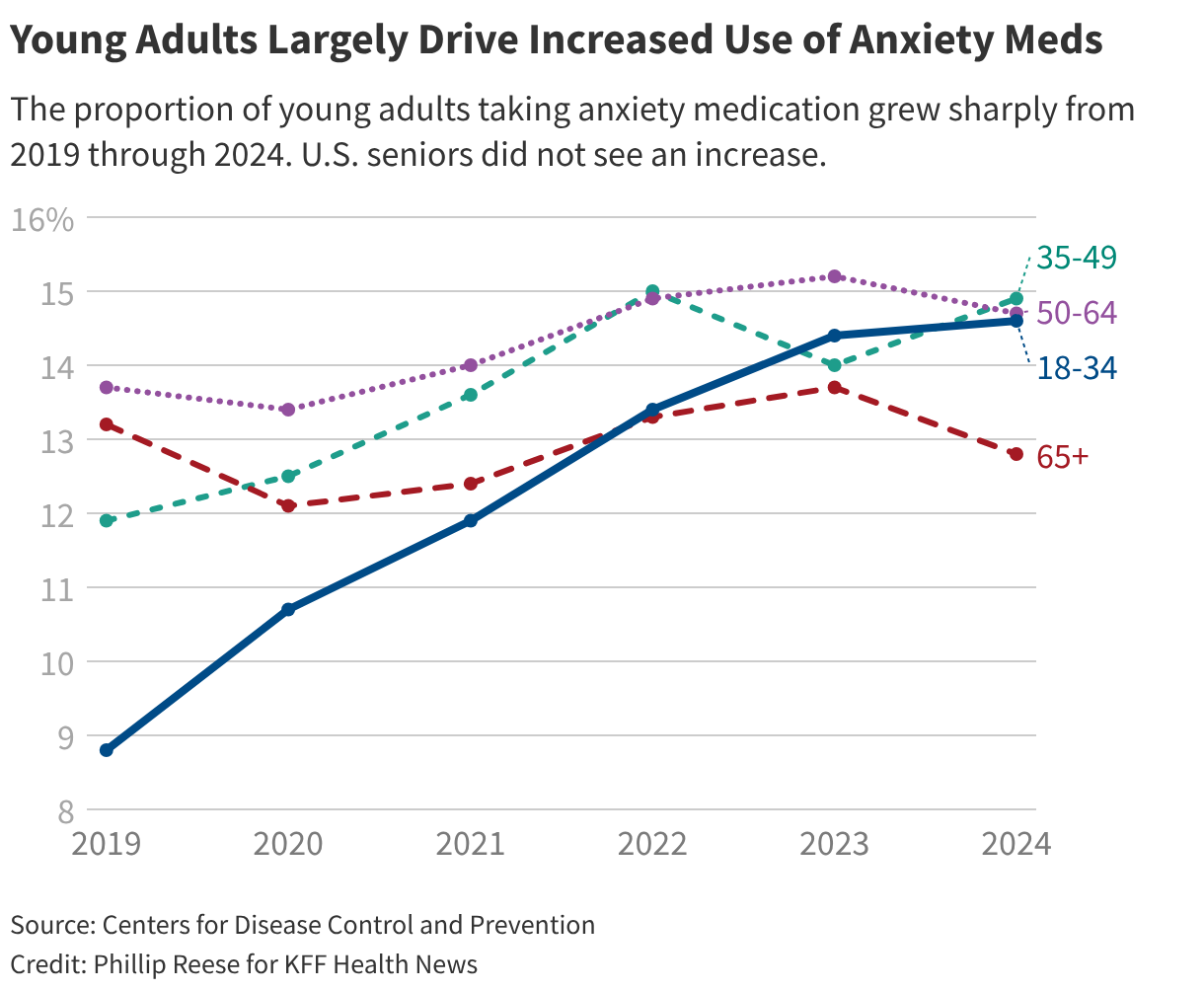
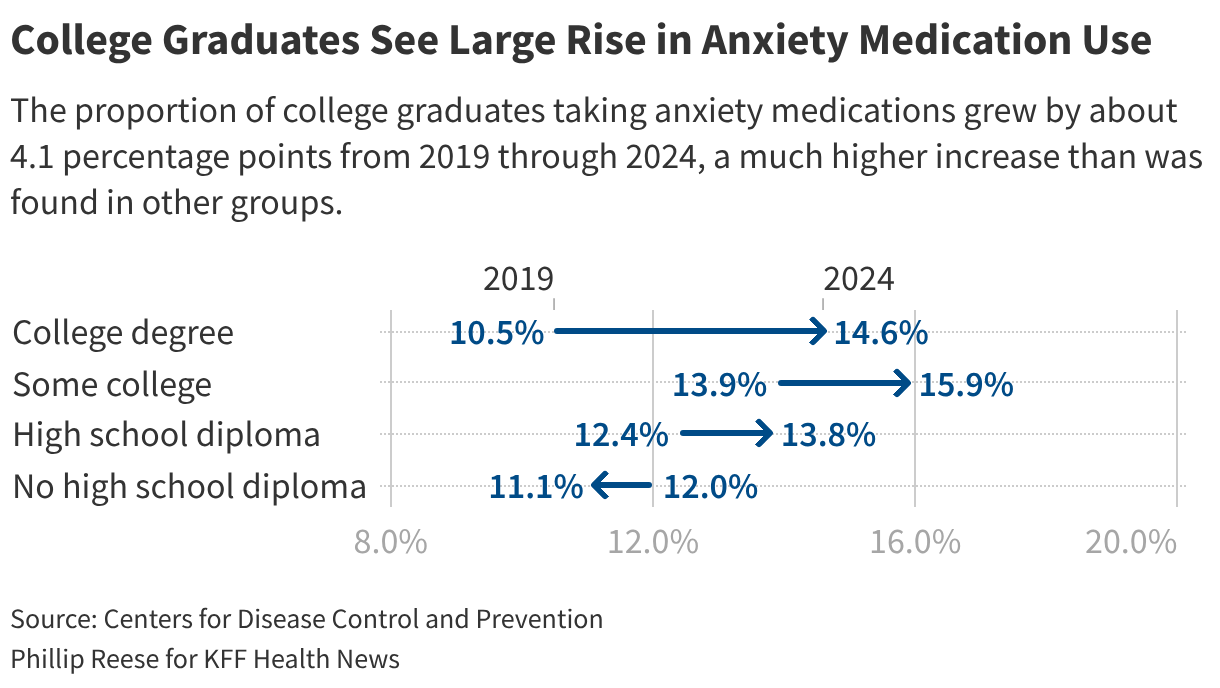
The demographic breakdown of this increase is particularly noteworthy. Sharp rises were observed among young adults (ages 18-34), individuals with a college degree, and adults identifying as LGBTQ+. These groups may face unique stressors, including economic precarity, academic pressures, social stigma, and the challenges of navigating identity in an often-unwelcoming environment. The increased accessibility of mental health services through telehealth platforms has also played a crucial role, democratizing access for individuals who may have previously faced geographical or logistical barriers to care.
The SSRI Controversy: Scientific Consensus vs. Public Criticism
While psychiatric medications are gaining broader public acceptance and easier access, a vocal segment of the "Make America Healthy Again" movement has raised concerns, characterizing SSRIs as harmful and addictive. Medications like Prozac, Zoloft, and Lexapro, which are widely recognized by doctors and researchers as front-line treatments for generalized anxiety disorder and panic disorder, have become a focal point of this controversy. Critics argue that these medications are being misrepresented as broadly detrimental, despite substantial evidence supporting their safety for extended use.
Secretary of Health and Human Services Robert F. Kennedy Jr. has been a prominent critic, stating during his confirmation hearing that he knows individuals who have experienced greater difficulty discontinuing SSRIs than quitting heroin. He has also indicated that his agency is investigating a potential link between SSRI use and violent behavior, including school shootings. Similarly, Food and Drug Administration Commissioner Marty Makary has suggested that SSRI use during pregnancy could lead to adverse birth outcomes.
These assertions stand in contrast to the prevailing medical consensus. Doctors and researchers emphasize that SSRIs work by increasing serotonin levels in the brain, a neurotransmitter associated with mood regulation. While common side effects can include upset stomach, brain fog, fatigue, and reduced libido, experts contend that for many, these are mild and manageable. Patrick Kelly, president of the Southern California Psychiatric Society, stated, "The statements about SSRIs were just not grounded in any sort of evidence or fact."
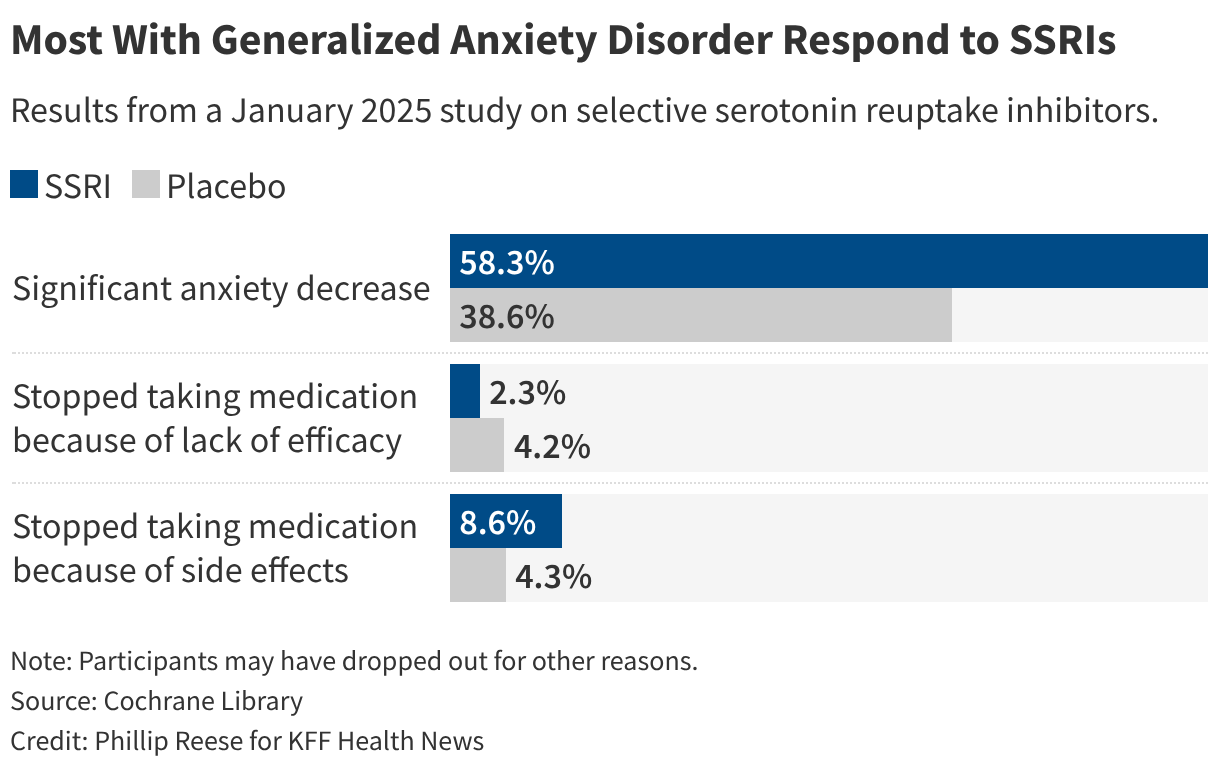
A comprehensive Cochrane review, a highly respected source of evidence-based medicine, demonstrated that over half of individuals with generalized anxiety disorder taking an SSRI experienced a significant reduction in anxiety symptoms (at least 50%). The study also indicated that approximately 1 in 12 individuals discontinued SSRIs due to side effects. Emily Wood, a psychiatrist practicing in Los Angeles, underscored the efficacy of SSRIs when used appropriately: "When it’s being done right and when you’re also using appropriate therapy techniques, SSRIs can be really, really helpful."
Understanding the Nuances of Anxiety Medication
Beyond SSRIs, other classes of medications are used to manage anxiety, each with its own profile of benefits and risks. Benzodiazepines, such as Xanax, are often prescribed for short-term relief of acute anxiety. While effective in calming immediate distress, they carry a risk of dependence and withdrawal symptoms, and can potentiate the effects of opioids, increasing the risk of overdose. Wood advises caution, noting that benzodiazepines are "really great meds for acute anxiety and not great as long-term anxiety medications, because they are habit-forming over time." Sudden cessation can lead to discontinuation syndrome, characterized by nausea, insomnia, and other symptoms. However, experts like Kelly assert that the concept of addiction, in the traditional sense, does not apply to SSRIs, a claim supported by numerous studies.
Beta-blockers, such as propranolol, are also increasingly used off-label for anxiety, particularly to manage the physical symptoms like a racing heart before high-stakes events. While they can cause dizziness and fatigue, they are considered nonaddictive and effective in calming the body’s fight-or-flight response. Wood describes them as "really safe" for this purpose.

Societal Factors Driving Increased Medication Use
The surge in anxiety medication use is likely a confluence of multiple societal shifts. Leading theories point to increased social media engagement, heightened social isolation, and pervasive economic uncertainty as significant contributors to rising anxiety levels, particularly among younger generations. The visual nature of social media, while offering connection, can also foster social comparison and feelings of inadequacy. The COVID-19 pandemic exacerbated isolation, while ongoing economic disparities and concerns about the future contribute to a pervasive sense of unease.
Furthermore, the ease of access to these medications has played a role. Many individuals obtain SSRI and benzodiazepine prescriptions from their primary care physicians or through brief teletherapy appointments. The destigmatization of mental health issues, partly driven by social media influencers openly discussing their struggles, has encouraged more people to seek help. However, this increased accessibility also raises concerns about self-diagnosis and the potential for misuse, particularly when individuals seek to purchase medications online without proper medical supervision.
Demographic Trends and Gender Disparities
The data clearly indicates that young adults are at the forefront of this trend. The proportion of Americans aged 18 to 34 taking anxiety medication surged from 8.8% in 2019 to 14.6% in 2024. This contrasts with a more stable rate among older adults. The pandemic’s disproportionate impact on younger populations, who may have experienced greater disruption to education, social development, and early career stages, is a likely factor.
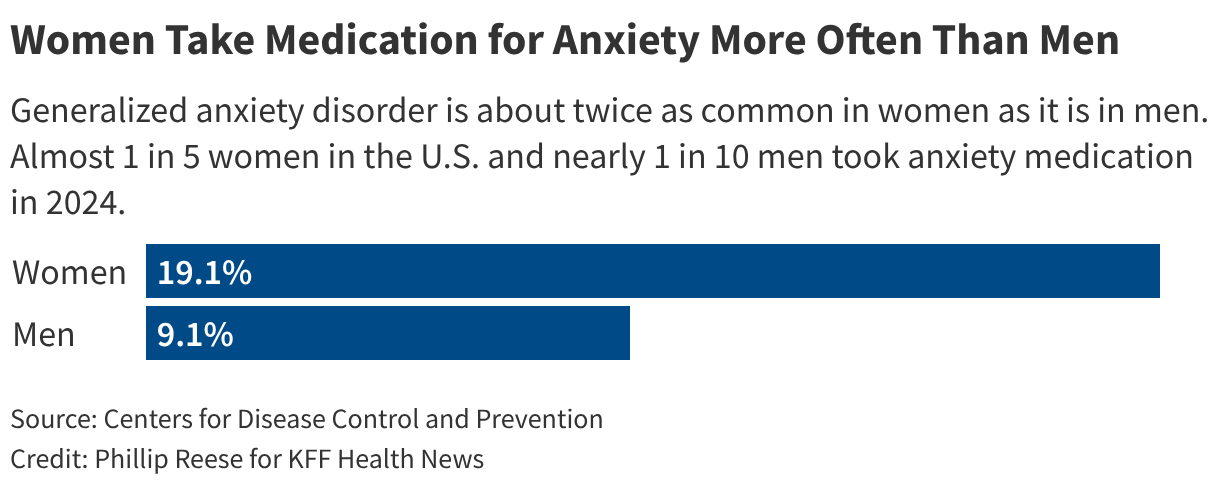
Additionally, women are more likely than men to take anxiety medication. Sociologist Jason Schnittker attributes this to several factors: women may be more likely to experience anxiety, more willing to report their symptoms, and physicians may be more attuned to recognizing anxiety in female patients. Schnittker, author of "Unnerved: Anxiety, Social Change, and the Transformation of Modern Mental Health," also points to broader generational trends of increasing anxiety, potentially linked to growing income inequality, diminished social and religious engagement, and a pervasive sense of suspicion in society.
The Importance of a Holistic Approach
While medication can be a crucial tool, it is often most effective when combined with other therapeutic interventions. Psychiatrists frequently recommend a healthy diet and regular exercise as adjunctive therapies for anxiety and depression. For individuals who can manage their anxiety without medication, talk therapy, particularly cognitive behavioral therapy (CBT), is highly effective. The rise of teletherapy has significantly expanded access to these services.
The debate surrounding SSRI use during pregnancy highlights the complex considerations involved. While concerns have been raised, studies suggest the risks for both mother and child are low, and untreated maternal depression can pose significant risks to both. Wood emphasizes that "depression increases your risk for every complication for a mother and a baby," cautioning that statements discouraging SSRI use during pregnancy could lead to "real harm for these women."
Ultimately, the increased utilization of anxiety medications reflects a complex interplay of heightened societal stressors, improved diagnostic recognition, greater accessibility to care, and ongoing scientific and public discourse. For individuals like Sadia Zapp, these medications have provided a vital pathway to reclaiming their lives, enabling them to navigate challenges with greater resilience and a clearer mind, underscoring the profound personal impact of effective mental health treatment.