
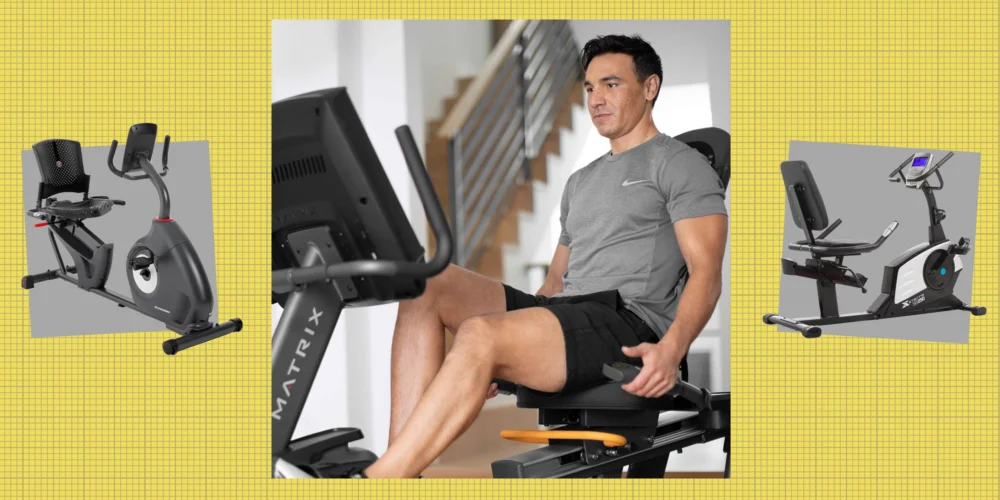
"Recumbent bikes offer the cardiovascular benefits of cycling without the spinal compression and joint strain common in traditional upright designs, making them the gold standard for accessible, ergonomic home fitness."

The evolution of home fitness equipment has increasingly prioritized ergonomics and accessibility, moving beyond high-intensity interval training to include sustainable, low-impact solutions for a broader demographic. Recumbent exercise bikes represent this shift, offering a seated position that distributes body weight across a larger surface area while providing essential lumbar support. Unlike traditional upright bikes that require a "curled-over" posture, the recumbent design allows users to engage in rigorous cardiovascular activity while maintaining a neutral spine, making it an essential tool for those managing chronic pain, recovering from injury, or seeking a more comfortable alternative to standard cycling.
The Biomechanics of the Recumbent Design
The primary distinction of the recumbent bike lies in its reclined seating position. As noted by Dr. Todd Sinett, a chiropractor and applied kinesiologist at Tru Whole Care in New York, the design allows users to experience the "joys of bike riding without the compression" found in standard models. From a clinical perspective, this is critical for individuals with lower back issues, neck pain, or shoulder instability. By placing the rider in a semi-reclined state, the machine minimizes core tension and reduces the sheer force placed on the ankles, knees, and hips.

Furthermore, the "step-through" or "walk-thru" frame—a hallmark of high-quality recumbent bikes—removes the obstacle of mounting a high center bar. This feature is particularly vital for seniors or individuals with limited mobility who might otherwise find traditional exercise equipment hazardous.
The Performance Leader: Matrix R30 Recumbent Bike
For those seeking professional-grade stability within a home environment, the Matrix R30 stands as a benchmark. Priced at approximately $2,599, it is an investment in durability. Most entry-level bikes utilize a single-post design, which can lead to wobbling or tipping during high-intensity intervals. The Matrix R30 counters this with a heavy-duty dual-post frame, ensuring the machine remains anchored regardless of the rider’s weight or pedaling speed.

The R30’s seat features an "arc design" molded specifically for lumbar support, using mesh materials to facilitate ventilation—a crucial detail for long-duration cardio sessions. Technically, the bike employs magnetic resistance with 20 adjustable levels, governed by an ECB magnetic braking system that ensures near-silent operation. While it features an 8.5-inch XR LCD monitor for essential data tracking, its Bluetooth compatibility allows for seamless integration with external fitness trackers and heart rate monitors.
Balancing Value and Function: Schwinn 230 Recumbent Bike
The Schwinn 230 offers a middle-ground solution for users who want the reliability of a legacy brand without the four-figure price tag. Retailing around $584, this model emphasizes comfort through a padded, ventilated seat and weighted strapped pedals that keep the feet secure.

A notable feature of the Schwinn 230 is its "media shelf." In an era where on-demand fitness classes are ubiquitous, the lack of a built-in smart screen is mitigated by a design that allows users to securely place their own tablets or smartphones. This "bring-your-own-tech" approach keeps the initial cost low while providing access to real-time coaching via third-party apps. With 16 levels of magnetic resistance and built-in rollers for easy transport, it is a practical choice for smaller living spaces.
The Technology Powerhouse: NordicTrack 10 Recumbent Bike
For users motivated by interactive data and immersive environments, the NordicTrack 10 ($1,599) is the premier tech-integrated option. It features a 10-inch HD touchscreen and is designed specifically for the iFit ecosystem. This integration allows for "SmartAdjust" technology, where the machine automatically changes resistance levels based on the trainer’s instructions or the terrain of a virtual ride.

The NordicTrack 10 is also equipped with an "AutoBreeze" fan that adjusts its speed based on the intensity of the workout. With 26 resistance levels, it offers the highest degree of granular control among standard consumer models. However, prospective buyers should note its larger footprint; this is a substantial machine that requires a dedicated workout area.
Accessibility and Entry-Level Solutions: Merach and Harison Pro
The market also caters to those beginning their fitness journey or those with specific physical requirements. The Merach Recumbent Bike, priced at roughly $360, is an excellent entry-level model. It features a low-profile walk-thru frame and oversized pedals, prioritizing ease of use. While it offers fewer resistance levels (eight), it includes a companion app to help novices track progress and follow structured programs.

Alternatively, the Harison Pro Magnetic Recumbent Bike addresses a common limitation in home fitness: weight capacity. While many bikes top out at 300 pounds, the Harison Pro is engineered to support up to 400 pounds. Despite its 77-pound lightweight build, the frame is remarkably sturdy. It features 14 levels of intensity and a basic LCD screen, though it includes a dedicated iPad holder to ensure entertainment is always accessible.
The Luxury Paradigm: Technogym Recline Personal
At the pinnacle of the market is the Technogym Recline Personal. With a price tag of $14,700, this is as much a piece of high-end furniture as it is a fitness machine. Designed with a sleek steel frame, it features controls directly on the handles, allowing riders to adjust resistance and monitor heart rate without breaking their stride.

The Technogym model features a 15.6-inch live touchscreen that can stream Netflix, Spotify, or YouTube, alongside immersive "urban landscapes" that simulate riding through real-world cities. The pedals utilize a strap system similar to snowboard bindings, providing the most secure foot-to-pedal connection available. For the high-end consumer, it represents the intersection of Italian design and cutting-edge kinesiology.
Clinical Benefits and Injury Rehabilitation
Beyond general fitness, recumbent bikes are indispensable tools for physical therapy. As fitness expert Charles Thorp and chiropractor Todd Sinett emphasize, these machines are ideal for "rehabbing an injury" because they minimize spinal pressure. In a traditional "hunched" cycling position, the intervertebral discs are under constant stress; the recumbent position opens the hips and supports the lower back, allowing for increased range of motion without the risk of exacerbating disc herniations or sciatica.

For individuals recovering from knee or hip replacements, the smooth, circular motion of magnetic resistance provides a low-impact way to regain joint fluidity. The ability to sit and "pedal away" while reading or watching television also increases "time under tension," which is a key factor in cardiovascular health and weight management for those who find traditional exercise uncomfortable.
Key Considerations for Prospective Buyers
When selecting a recumbent bike, several technical specifications should guide the decision:
- Resistance Type: Magnetic resistance is preferred for home use due to its quietness and lack of mechanical wear.
- Step-Through Height: For those with limited mobility, a "near-zero" step-through height is non-negotiable for safety.
- Seat Material: Mesh seats are superior for breathability, while high-density foam provides better immediate cushioning.
- Connectivity: Bluetooth is essential for those who wish to sync their data with Apple Health, Strava, or Garmin ecosystems.
- Dimensions: Recumbent bikes are generally longer than upright bikes. Measuring the intended floor space is a critical first step.
Conclusion
The recumbent exercise bike is no longer just a "senior-friendly" gym staple; it is a sophisticated piece of health technology that caters to athletes, rehabilitation patients, and casual users alike. By prioritizing the relationship between spinal alignment and cardiovascular exertion, these machines offer a sustainable path to long-term health. Whether opting for the budget-friendly Merach or the tech-heavy NordicTrack, the shift toward ergonomic home cardio represents a smarter, more inclusive approach to modern fitness.