
"Hospices provide not just medical relief but profound human dignity at life’s most vulnerable juncture, offering solace and personalized care that fundamentally transforms the dying experience. Their invaluable role, however, is critically jeopardized by an unsustainable funding model, threatening access to compassionate end-of-life support for thousands across Wales."
Hospices across Wales, vital bastions of compassionate end-of-life care, are grappling with a severe financial crisis, threatening the continuity of their essential services. While offering unparalleled comfort, dignity, and personalized support to individuals and their families navigating terminal illness, the sector is increasingly undermined by an outdated funding model that relies heavily on charitable donations. This precarious financial landscape, exacerbated by soaring operational costs and burgeoning demand, has already led to service reductions and closures, casting a shadow over the future of palliative care in the nation.
A Sanctuary in Life’s Final Chapter: Paul Thomas’s Experience
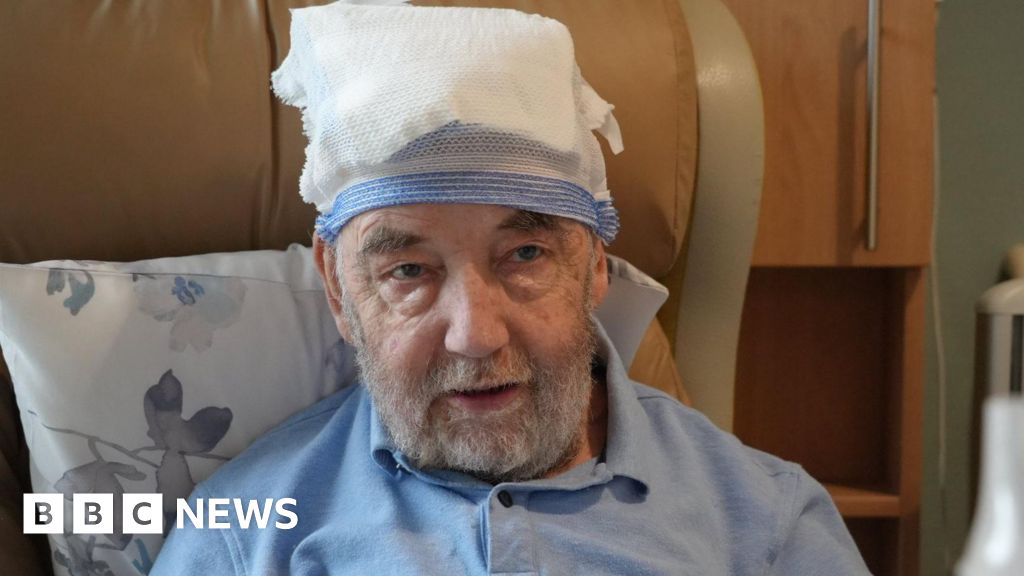
For Paul Thomas, 58, from Flint, the transition to St Kentigern Hospice in St Asaph marked a profound shift from struggling alone with acute pain and anxiety to finding peace and dignity in his final days. His journey reflects the core philosophy of hospice care: not merely managing symptoms, but enhancing the quality of life, however brief, through holistic support. "Everybody worries when they come to the last stages; no one knows what to expect," Paul shared, highlighting the universal fear surrounding death. "But these people are wonderful at relaxing you, and they help you an awful lot."
Paul’s initial hours at St Kentigern were transformative. After being settled into a comfortable bed, his belongings unpacked, and his meal preferences attended to—a comforting chicken curry and Eton mess—he experienced his first truly restful sleep in a long time, sleeping for 16 hours. This immediate sense of relief underscores the stark contrast between the often overwhelming and impersonal environment of acute hospitals and the serene, patient-centred approach of a hospice. "It brings me a lot more comfort, a lot more serenity, and they discuss things with you in a more sedate and gentle way," he explained.
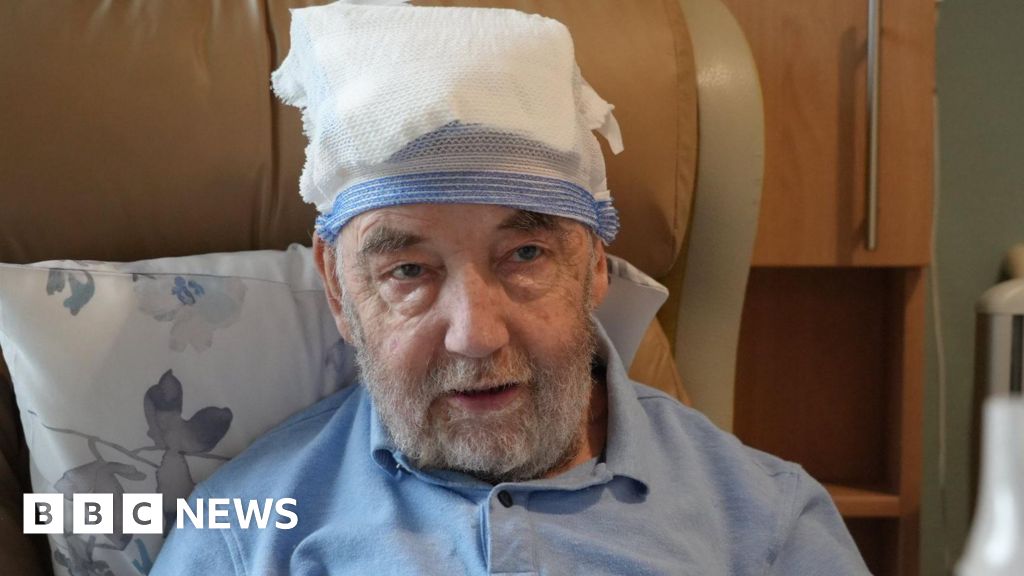
Beyond medical care, hospices prioritize emotional and social well-being. Paul recounted a visit from a group of friends, a cherished gathering he believed would have been impossible in a hospital setting. The atmosphere was "quite quiet and peaceful. A bit of laughter, but not too much because it’s not the time to laugh now, is it?" This poignant observation illustrates the hospice’s ability to create an environment where emotional expressions are understood and respected, allowing for genuine connection and shared moments without the sterile constraints of a traditional medical facility. Paul emphasized that staff "went out of their way" to ensure his comfort, fostering a sense of security that is paramount during such a vulnerable period. "I feel comfortable and safe, and at this period it’s very important," he concluded, encapsulating the profound impact of dedicated, compassionate care.
The Power of Presence and Personalization: Rowena Owen’s Legacy
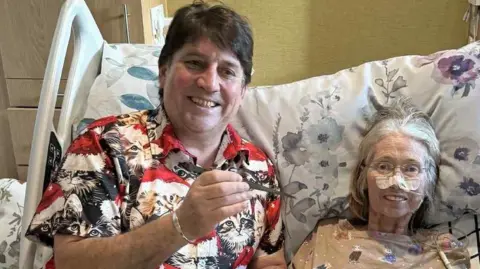
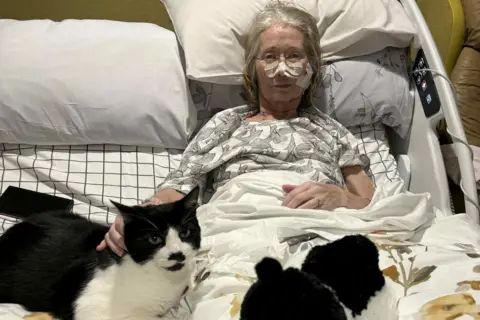
The profound impact of hospice care extends equally to patients’ families, offering support that helps them navigate grief and maintain connection. John Owen’s account of his wife Rowena’s final two weeks at St Kentigern Hospice before her passing on 1 January 2026, vividly illustrates this. Rowena, an orthodontist, was diagnosed with a rare and aggressive form of cancer in 2024. John described her as an "amazing person" who "loved life" and was "kind, caring, and compassionate." Their decision to seek hospice care was driven by a desire for specialized medical management, allowing John to focus purely on providing loving companionship. "We wanted the hospice to care for her, and then we could just care for her loving needs, and that’s exactly what happened," he recounted.
Hospices distinguish themselves through their commitment to personalizing care, fulfilling wishes that might seem extraordinary in other medical contexts. For Rowena, this meant being reunited with her beloved cats. "We brought [our] two cats in, and she was able to give them a stroke, which was amazing," John shared. This simple act of connection brought immense comfort and a sense of normalcy during a deeply challenging time. The hospice also facilitated the installation of a "cuddle bed," a specialized bed designed to allow loved ones to lie together comfortably. "It was such a comfort to both of us because it meant I could stay with Rowena 24/7 – which I did for 12 days," John explained. While undeniably "incredibly sad and hard work," he affirmed that the hospice staff "made it as best as it possibly could be for us."
Inspired by this deeply personal experience, John is now fundraising to acquire another cuddle bed for St Kentigern, ensuring other families can benefit from this unique opportunity for proximity and intimacy in their final moments. He echoed Paul Thomas’s sentiments regarding the calmer, more empathetic atmosphere of hospices compared to hospitals, passionately arguing for their preservation. "The fact that they’re not funded enough is really sad because they are vital," John asserted, highlighting the urgent need for a sustainable solution.
The Looming Funding Crisis: A Threat to Essential Services
Despite the undeniable human value and specialized care they provide, hospices in Wales face an increasingly precarious financial future. Hospice UK, the national charity representing hospices, has sounded the alarm, warning that the current funding model is unsustainable and places critical end-of-life services at severe risk.
The statistics paint a grim picture: nine of Wales’s 14 hospices anticipate facing a financial deficit in the 2025-26 fiscal year. This financial strain has already had tangible consequences. Shalom House Hospice in Pembrokeshire has been forced to close its doors permanently, while a four-bed inpatient unit at St David’s Hospice in Holyhead is temporarily shut down. These closures are direct results of escalating running costs, including energy prices and staff wages, coupled with insufficient and inconsistent funding.
Hospices operate on a unique financial model, with approximately 70% of their funding derived from charitable donations, fundraising events, and legacies. Only about 30% comes from the Welsh government and the NHS. While this blend of public and charitable funding has historically sustained the sector, it has become increasingly vulnerable. Inflationary pressures, the rising cost of living affecting donor capacity, and the persistent challenge of recruiting and retaining specialist staff at competitive wages are pushing hospices to the brink.
The Broad Reach of Hospice Care and Future Demand
Hospice services extend far beyond inpatient beds, reaching deep into communities. Annually, approximately 20,000 adults and children living with terminal illnesses receive support from Welsh hospices. While the 95 inpatient beds across Wales are crucial, around 60% of hospice services are delivered in community settings, including home visits, day care, and outpatient clinics. These community-based services are vital for enabling individuals to remain at home for as long as possible, providing respite for carers, and reducing pressure on acute hospital beds. However, even these outreach programmes are susceptible to funding cuts, potentially impacting thousands of families who rely on them.
The challenge is further compounded by a significant demographic shift. Liz Booyse, Chair of Hospices Cymru, highlighted a projected 25% increase in the number of people requiring palliative and end-of-life care over the next 25 years. This rise is attributed to an aging population and an increase in complex, long-term conditions. Without a robust and sustainable funding framework, the existing hospice infrastructure will be unable to meet this escalating demand, leading to critical gaps in care.
Calls for Urgent Action and Political Responses
In response to this looming crisis, Hospices Cymru and Hospice UK are urgently appealing to the Welsh government and health leaders to safeguard these essential services by overhauling the current funding model. They warn that without fundamental change, adult hospice inpatient and community services are likely to face further reductions, compromising the quality and accessibility of end-of-life care across the nation. Liz Booyse emphasized the critical need for financial clarity: "Hospices will be making decisions right now as to the future of the services they can offer… they’re making difficult decisions. We really need to know what the future looks like in financial terms."
The Welsh government has acknowledged the invaluable contribution of hospices and states it is actively working to understand their challenges. A spokesperson confirmed that investment in hospices has "increased substantially over this Senedd term," including an additional £5.2m annually and over £9.5m in one-off grants. This investment, they contend, aims to help the sector manage rising costs and maintain vital services. Furthermore, work is "ongoing on a new hospice commissioning approach" designed to ensure fair access, long-term sustainability, and high-quality care throughout Wales. However, for many hospices, these measures have been insufficient to counteract the exponential rise in operational expenses.
Political parties in Wales have also weighed in on the issue, signaling a broad recognition of the problem:
- Plaid Cymru has committed to exploring avenues for greater financial sustainability within the sector and has pledged comprehensive governance reforms across the NHS to enhance end-of-life care provisions.
- The Liberal Democrats have called for both the UK and Welsh governments to reverse the National Insurance increase affecting hospices, deliver a sustainable long-term funding settlement, ensure pay parity for hospice staff with their NHS counterparts, and implement long-term contracts across Wales to provide stability.
- The Welsh Conservatives have advocated for the development of a new sustainable funding model and promised an additional £40m over the next Senedd term, attributing the sector’s difficulties, in part, to "substantial tax rises."
- Reform UK and the Welsh Green Party have been asked for their specific proposals on this critical issue.
The Path Forward: Ensuring a Future for Compassionate Care
The stories of Paul Thomas and Rowena Owen are not isolated incidents but represent the thousands of lives touched by the profound care offered by Welsh hospices. These institutions provide a unique and indispensable service, blending expert medical care with emotional, psychological, and spiritual support, all delivered with an unwavering commitment to dignity and personalization. They allow individuals to live their final days with comfort, peace, and surrounded by loved ones, fulfilling wishes that make an immeasurable difference to patients and their families.
The current funding crisis, however, threatens to undermine this vital work. While increased investment from the Welsh government is a positive step, it must be part of a broader, more sustainable strategy. A new commissioning approach must move beyond short-term grants and incorporate long-term, equitable funding models that account for rising costs, increasing demand, and the specialized nature of palliative care. Ensuring pay parity for hospice staff with NHS colleagues is crucial for retaining the highly skilled professionals who deliver this compassionate care.
Ultimately, the future of end-of-life care in Wales hinges on a collective commitment from government, health boards, and the public to recognize the intrinsic value of hospices. Protecting these sanctuaries is not just about financial figures; it is about upholding human dignity, providing comfort in the face of the unknown, and ensuring that every individual in Wales has access to the compassionate care they deserve in life’s final chapter. The time for decisive action is now, before more services are lost and the profound solace offered by hospices becomes an increasingly distant reality for those who need it most.