
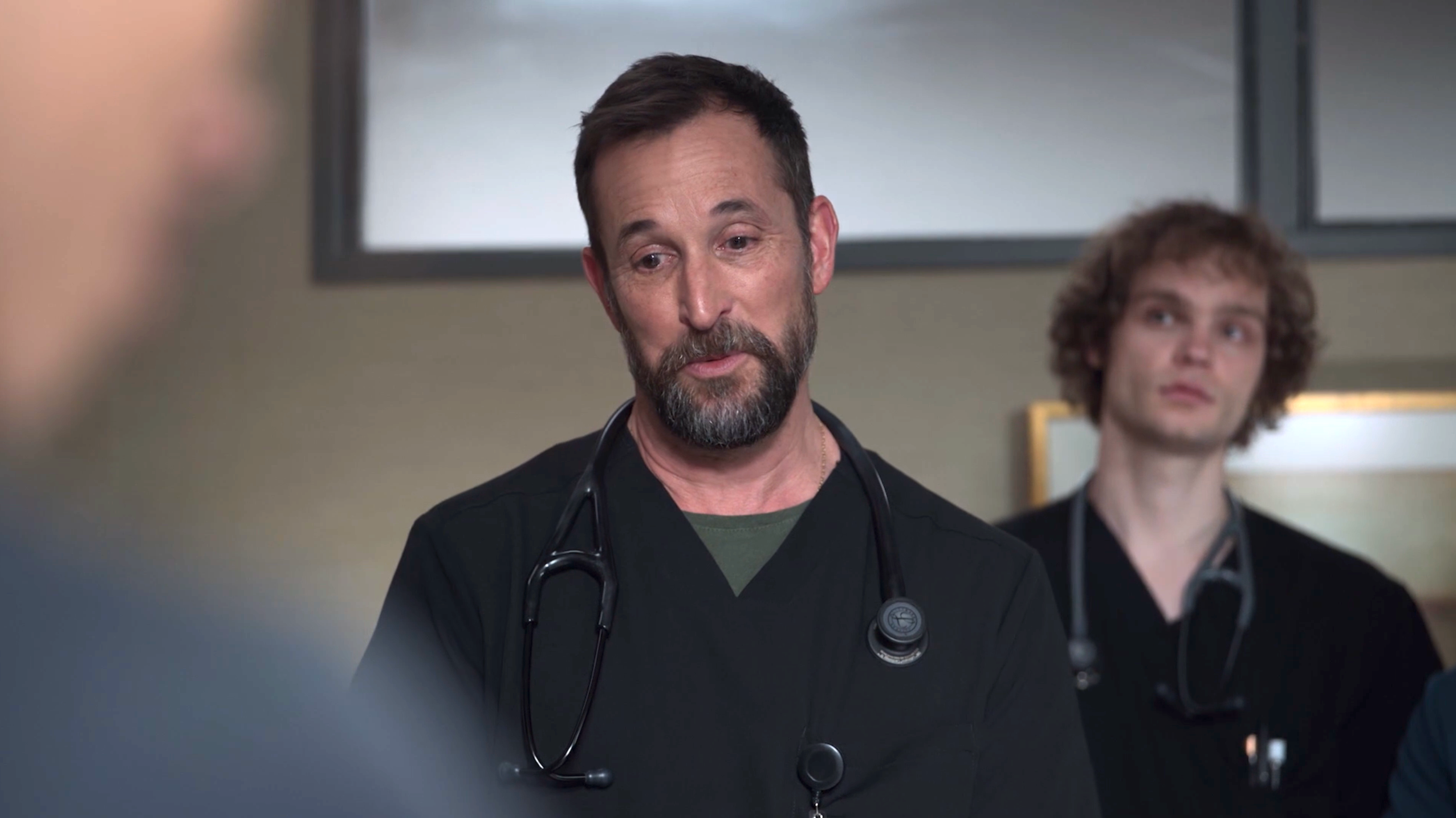
“Through the lens of a ‘frequent flyer’s’ passing, The Pitt explores the delicate equilibrium between clinical detachment and the profound human connections that define the modern emergency room.”
The sixth episode of the second season of The Pitt, titled "12:00 P.M.," functions as a narrative anchor for the series, transitioning from the high-octane procedural pace to a deeply character-driven exploration of grief and medical history. By centering the story on the death of a recurring patient, the episode provides a meditation on how healthcare providers process loss amidst the relentless demands of a trauma center, while simultaneously revealing the tragic backstories that humanize those often marginalized by the medical system.
The Evolution of the Medical Drama Pacing
The transition of The Pitt from a bingeable first season to a week-to-week release schedule for Season 2 has fundamentally altered the audience’s relationship with its characters. In a binge-watching format, the rapid-fire delivery of medical crises and resolutions can often desensitize the viewer to individual tragedies. However, the episodic rollout of Season 2 has forced a slower engagement with the narrative, allowing the tension surrounding characters like Louie Cloverfield (Ernest Harden Jr.) to simmer.
Louie, a chronic alcoholic and a "frequent flyer" in the emergency department, represents a specific archetype in medical television: the lovable but self-destructive regular. His presence in the ER serves as a constant, a familiar face that provides both levity and a reminder of the limitations of modern medicine. When Season 2, Episode 5 ended with Louie flatlining, the week-long hiatus before "12:00 P.M." created a vacuum of anticipation. This delay mirrors the real-world experience of medical professionals who must often wait for the outcome of a critical intervention, emphasizing the emotional stakes of the series.

The Anatomy of a Failed Resuscitation
The opening of "12:00 P.M." wastes no time in confronting the reality of Louie’s condition. Dr. Robby (Noah Wyle) and Dr. Langdon (Patrick Ball) are shown in the throes of a desperate resuscitation effort. This scene is pivotal not only for its technical intensity but for what it reveals about the characters’ personal investments. Dr. Robby, portrayed by Wyle with a weary yet determined gravity, represents the veteran physician who has seen thousands of such cases but remains unable to fully detach when the patient is someone he truly knows.
The failure to save Louie is a stark departure from the "miracle save" trope often found in less sophisticated medical dramas. By allowing Louie to die at the start of the episode, the showrunners shift the focus from the medical action to the psychological aftermath. The death hits different members of the staff in varying ways, highlighting the hierarchy of grief within a hospital. For Dr. Langdon, who had received Louie’s forgiveness just hours prior, the loss is tinged with a sense of unfinished business and the weight of a final, fleeting connection. For Nurse Dana (Katherine LaNasa), the loss is professional yet deeply felt, as she takes on the ritualistic duty of post-mortem care.
The "Frequent Flyer" and the Stigma of Addiction
The episode delves into the complex dynamics between medical staff and patients with chronic substance abuse issues. In medical parlance, patients like Louie are often viewed through a lens of frustration; they are seen as individuals who "waste" resources on preventable crises. The Pitt challenges this perspective by showcasing the genuine affection the staff holds for Louie.
However, this affection is not universal. The character of Ogilvie (Lucas Iverson), a cocky and detached student doctor, serves as a foil to the more empathetic veteran staff. Ogilvie’s cold announcement that Louie has "croaked" highlights a generational or perhaps purely personality-driven divide in medical ethics. His character represents the clinical detachment that can easily curdled into cynicism—a defense mechanism that protects the physician but dehumanizes the patient. The friction between Ogilvie’s callousness and the staff’s mourning provides a critical commentary on the "hidden curriculum" of medical school, where students often learn to prioritize efficiency over empathy.
Narrative "Zagging": Life and Death in the ER
One of the most effective storytelling techniques utilized in "12:00 P.M." is the "zag"—the moment the narrative shifts away from the central tragedy to address the ongoing needs of the hospital. In a trauma center, there is no time for a formal wake during a shift. The episode mirrors this reality by forcing the characters to move immediately to the next case.

This structure reinforces the theme that in the medical world, life and death exist in a state of constant overlap. While Louie’s body is being prepared for the morgue, other patients are arriving with their own emergencies. This "life goes on" approach actually heightens the tragedy of Louie’s death; it emphasizes the isolation of the deceased while the world continues to move at a frantic pace. The news of his passing trickles through the department, shared in hallways and between consults, illustrating how grief is integrated into the workflow of a high-pressure environment.
The Revelation of History: Rhonda and the Three Rivers Stadium
The emotional climax of the episode occurs during a debrief, where the staff shares memories of Louie. It is here that Dr. Robby reveals the depth of Louie’s history, providing a context that transforms him from a "chronic alcoholic" into a figure of profound tragedy.
The backstory involves Louie’s late wife, Rhonda, and their unborn child, both of whom were killed in a car accident decades prior. The mention of Louie’s work as a groundskeeper at Three Rivers Stadium—a landmark of Pittsburgh’s history—grounds the character in a specific time and place, adding a layer of regional authenticity to the show. The revelation that Louie’s alcoholism was a direct consequence of this insurmountable loss recontextualizes his "non-compliance" with medical advice.
This narrative choice serves a larger purpose: it reminds the audience (and the fictional staff) that every patient carries a "hidden chart"—a history of trauma and love that isn’t always captured in a medical file. When Dr. Robby explains that Louie "never really came back" from the loss of his family, he is offering a diagnosis of a broken spirit, something that no amount of medical intervention could fix.
Visual Symbolism and the Education of Emma
The episode makes significant use of visual symbolism, particularly in the scenes involving Nurse Dana and the trainee, Emma (Laëtitia Hollard). The instruction on how to set a body for a viewing—specifically leaving one hand outside the sheet so it can be held—is a powerful image of human dignity.

For Emma, who represents the audience’s entry point into this world, the experience is a baptism by fire. She is initially unsure of how to handle the intensity of the ER’s emotional landscape. However, the episode concludes with a subtle but significant gesture: Emma is the one who holds Louie’s hand on her way out. This act signifies her acceptance of the emotional burden of nursing. It suggests that while medical professionals must remain functional, they do not have to be cold.
Conclusion: The Enduring Legacy of the Medical Procedural
The Pitt continues to distinguish itself by balancing the technical accuracy of a medical procedural with the emotional depth of a prestige drama. "12:00 P.M." is an exemplary episode that understands the power of the "slow burn." By taking the time to mourn a character who was not a lead, but a fixture of the show’s environment, the series honors the reality of the healthcare profession.
The episode serves as a reminder that the most significant moments in a hospital are often the quietest ones—the holding of a hand, the sharing of a photograph, and the acknowledgment of a life lived, however flawed. As the season progresses, the death of Louie Cloverfield will likely remain a touchstone for the characters, a reminder of why they do the work they do, and a warning of the cost of losing one’s humanity in the pursuit of clinical excellence. In the landscape of modern television, The Pitt proves that there is still profound territory to be explored in the hallways of the emergency room.