
"The profound tragedy of Aarav Chopra’s death, stemming from preventable medical errors during a routine procedure, underscores the devastating impact of systemic failures on families and the critical imperative for robust supervision, transparent communication, and unwavering adherence to patient safety protocols within our healthcare institutions."
The Birmingham Women’s and Children’s NHS Trust has issued a formal apology following the death of three-year-old Aarav Chopra, who succumbed to severe internal bleeding at Birmingham Children’s Hospital in 2023. The tragic incident occurred during a routine biopsy when a trainee doctor inadvertently pierced an artery, leading to a cardiac arrest. A coroner’s inquest subsequently concluded that neglect contributed to Aarav’s death, highlighting significant failures in the standard of care provided. This case casts a stark light on the complexities of patient safety, the critical role of supervision in medical training, and the immense emotional toll such preventable losses inflict upon families already navigating challenging medical journeys.
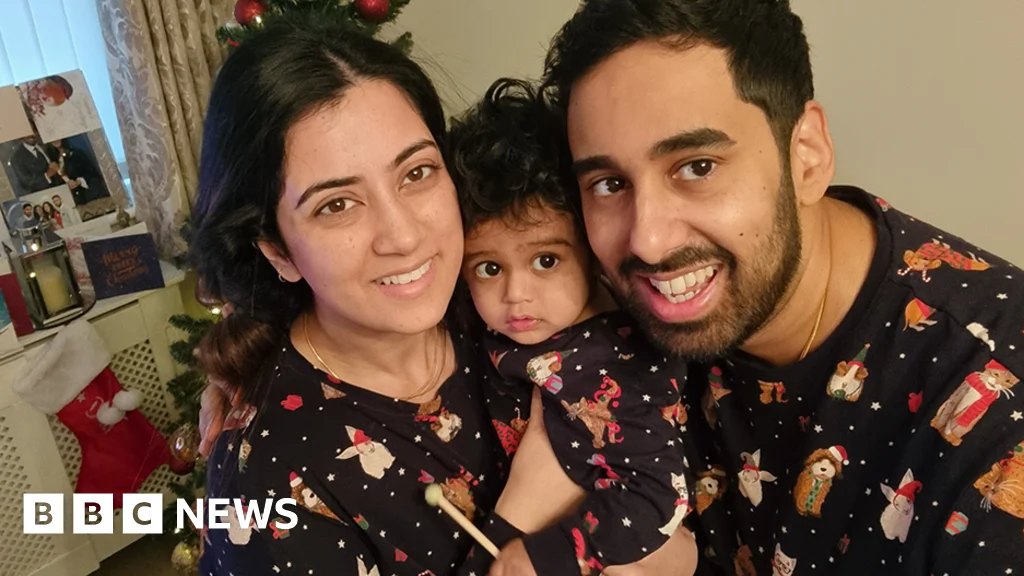
Aarav Chopra, a vibrant three-year-old from Wolverhampton, had already faced formidable health challenges in his short life, having undergone a liver transplant. The biopsy in question was deemed necessary after his body began to reject the transplanted organ, a common and often complex complication that requires careful monitoring and intervention. His parents, Amrita and Kishore Chopra, had brought their son to what they believed was the best place for his specialized care, placing their complete trust in the institution and its medical professionals. For them, this routine diagnostic procedure was meant to guide further treatment, not to end their son’s life.
The procedure, a liver biopsy, involves taking a small sample of liver tissue for microscopic examination to determine the cause and extent of rejection. While generally considered a safe procedure, it carries inherent risks, particularly bleeding, due to the liver’s rich blood supply. In Aarav’s case, the fatal complication arose when a trainee doctor, during the biopsy, inadvertently punctured an artery. This led to severe internal bleeding, causing a build-up of blood in his chest, which ultimately triggered a cardiac arrest. The rapid deterioration and tragic outcome underscore the delicate nature of such interventions, especially in a vulnerable pediatric patient whose system was already compromised by a recent transplant and ongoing rejection.
The subsequent inquest into Aarav’s death delivered a damning verdict, concluding that neglect had contributed to his passing and that his death was preventable. This legal finding signifies that the standard of care fell demonstrably below what was expected, leading directly to the fatal outcome. The coroner’s report specifically highlighted critical issues, including confusion surrounding the experience level of the trainee doctor performing the biopsy. It emerged that the doctor, initially believed to be a Year 6 trainee—implying a higher level of experience and independence—was, in fact, a Year 4 trainee. This crucial discrepancy, which the family only discovered much later, raises serious questions about the hospital’s internal communication, supervision protocols, and the transparency provided to patients and their guardians.
Kishore Chopra expressed the family’s profound distress over this revelation, stating they were never informed that a trainee would be involved in such a critical procedure, let alone that their experience level was misrepresented. Informed consent is a cornerstone of medical ethics, requiring patients or their legal guardians to be fully apprised of the risks, benefits, and personnel involved in their care. The absence of this transparency, coupled with the miscommunication about the trainee’s seniority, represents a significant breach of trust and a failure in ethical practice.
The role of trainee doctors in the NHS is vital for their development and the future of healthcare. However, their involvement must always be balanced with robust supervision, particularly in complex or high-risk procedures, and explicit communication with patients. A Year 4 trainee, while having some experience, typically requires closer supervision than a Year 6 trainee, who would be closer to independent practice. The systemic breakdown that allowed for this misrepresentation and potentially inadequate oversight points to deeper issues within the hospital’s training and operational frameworks.
For Amrita and Kishore Chopra, the loss has been immeasurable. "The strain it’s put on us as a family has killed us," Amrita bravely shared. The feeling of betrayal is palpable, as they believed they had placed Aarav in "the best place for his care," only to have him die under preventable circumstances. Their anguish is compounded by the fact that their son, despite his early struggles with health, was described as "the most adorable little boy," always smiling and bringing "sunshine to our lives." The unexpected and avoidable nature of his death has plunged their world into an unimaginable darkness, leaving them with an enduring sense of injustice and a desperate hope that no other family endures similar suffering.
In response to the tragedy and the coroner’s findings, Birmingham Women’s and Children’s NHS Trust has admitted full liability. Dr. Satish Rao, Chief Medical Officer, offered "sincere condolences to Aarav’s family and loved ones," acknowledging that "the standard of care provided did not meet those expected and for this we are truly sorry." The trust has indicated that "changes were made to our processes to improve patient care" following Aarav’s death, and they are "committed to sustaining these improvements in his memory."
These "changes to processes" are crucial and typically involve a comprehensive review of existing protocols. Such improvements might include:
- Enhanced Supervision Protocols: Stricter guidelines for consultant oversight of trainee doctors performing invasive procedures, particularly in vulnerable patient populations.
- Mandatory Disclosure and Consent: Clearer policies requiring full disclosure to patients or guardians about the involvement of trainee doctors, their experience level, and the level of supervision provided, ensuring truly informed consent.
- Improved Communication Channels: Better internal communication systems to accurately track and verify the experience levels of medical staff.
- Post-Procedure Monitoring: Strengthening protocols for monitoring patients for complications post-biopsy, including earlier recognition and management of internal bleeding.
- Simulation Training: Increased use of simulation training for high-risk procedures to allow trainees to practice in a controlled environment without patient risk.
- "Never Events" Review: Evaluation of whether such incidents could be classified as "never events" — serious, preventable safety incidents that should not occur if healthcare providers follow national guidance.
The family’s solicitor, Catherine Lee from Irwin Mitchell, emphasized the importance of these improvements, stating, "Whilst the trust has recognised the severity of the failings Aarav suffered and the need for improvements, it’s now vital that staff are supported to uphold the highest standard of care at all times." The settlement of a legal claim against the hospital, coupled with the coroner’s findings, serves as a powerful mechanism for accountability and a catalyst for systemic change.

Aarav Chopra’s tragic death is a poignant reminder of the inherent risks in medical care, even in "routine" procedures, and the profound responsibility healthcare institutions bear for patient safety. It underscores the critical importance of a culture of transparency, rigorous supervision, and continuous learning from mistakes to prevent future tragedies. While no apology or institutional change can ever truly heal the grief of Amrita and Kishore Chopra, their determination to share Aarav’s story and advocate for improved patient safety stands as a testament to their love and a powerful call for enduring vigilance in healthcare. The lessons learned from Aarav’s case must resonate throughout the NHS, ensuring that the commitment to "sustaining these improvements in his memory" translates into tangible, lasting safeguards for all patients.