
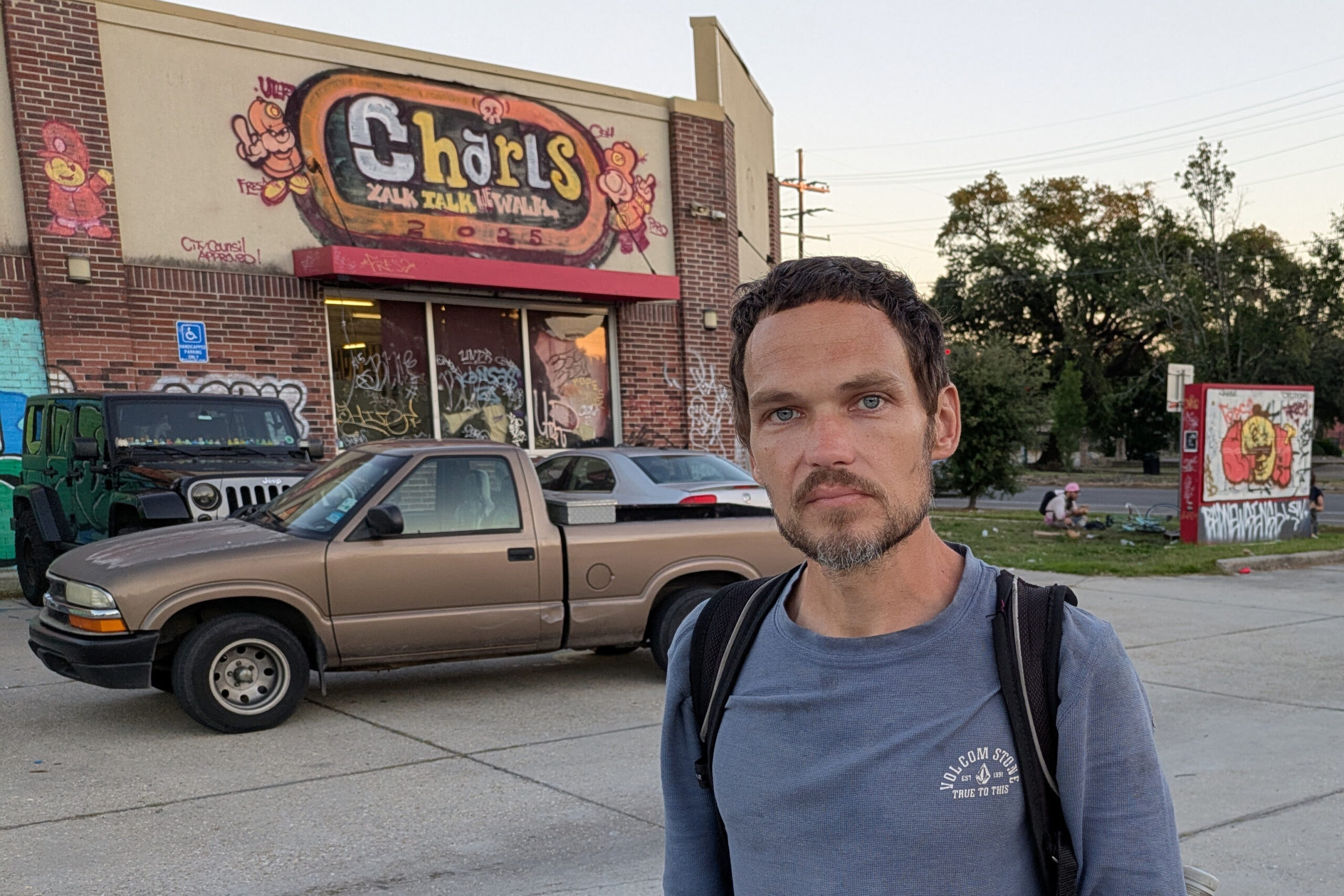
"In the heart of New Orleans’ Lower Ninth Ward, an abandoned Family Dollar store, once a symbol of urban decay, has been reborn as a vibrant hub of mutual aid, offering everything from essential supplies and healthcare to a stage for local artists, demonstrating the profound impact of community-driven solutions in the face of systemic neglect."
The dilapidated exterior of the Family Dollar store in New Orleans’ Lower Ninth Ward belies the vital sanctuary it has become within. Once a stark visual testament to the lingering devastation and economic hardship that has plagued the neighborhood since Hurricane Katrina, the building, adorned with graffiti and surrounded by debris, now houses a beacon of hope and support. Inside, the transformation is striking: twinkling string lights illuminate racks of donated clothing, shelves overflow with essential items like children’s books, allergy medications, and toiletries, and a dedicated space with a stage and a neon roller skate sign hosts weekly free skate nights. This multifaceted space, described by its operator, Dan Bingler, as a "radical community center," functions as a free thrift store, an over-the-counter pharmacy, and a punk rock venue, all driven by the principle of neighbors supporting neighbors.
Bingler, a local waiter and bartender, founded the Greater New Orleans Caring Collective, a mutual-aid organization that orchestrates the operations of this unconventional center. The building’s owners permit its use in exchange for Bingler covering the utility and waste disposal bills, a testament to a collaborative spirit that bypasses traditional funding structures. The center’s impact extends beyond material aid. Every Monday evening, volunteers from various community organizations converge at the space, extending services that were once relegated to outdoor setups. These include free testing for sexually transmitted infections, basic medical care, hot meals, and the provision of sterile syringes and harm reduction supplies for individuals who use drugs. "We’re going to make sure we provide for the community," Bingler stated, articulating the space’s straightforward yet profound mission.
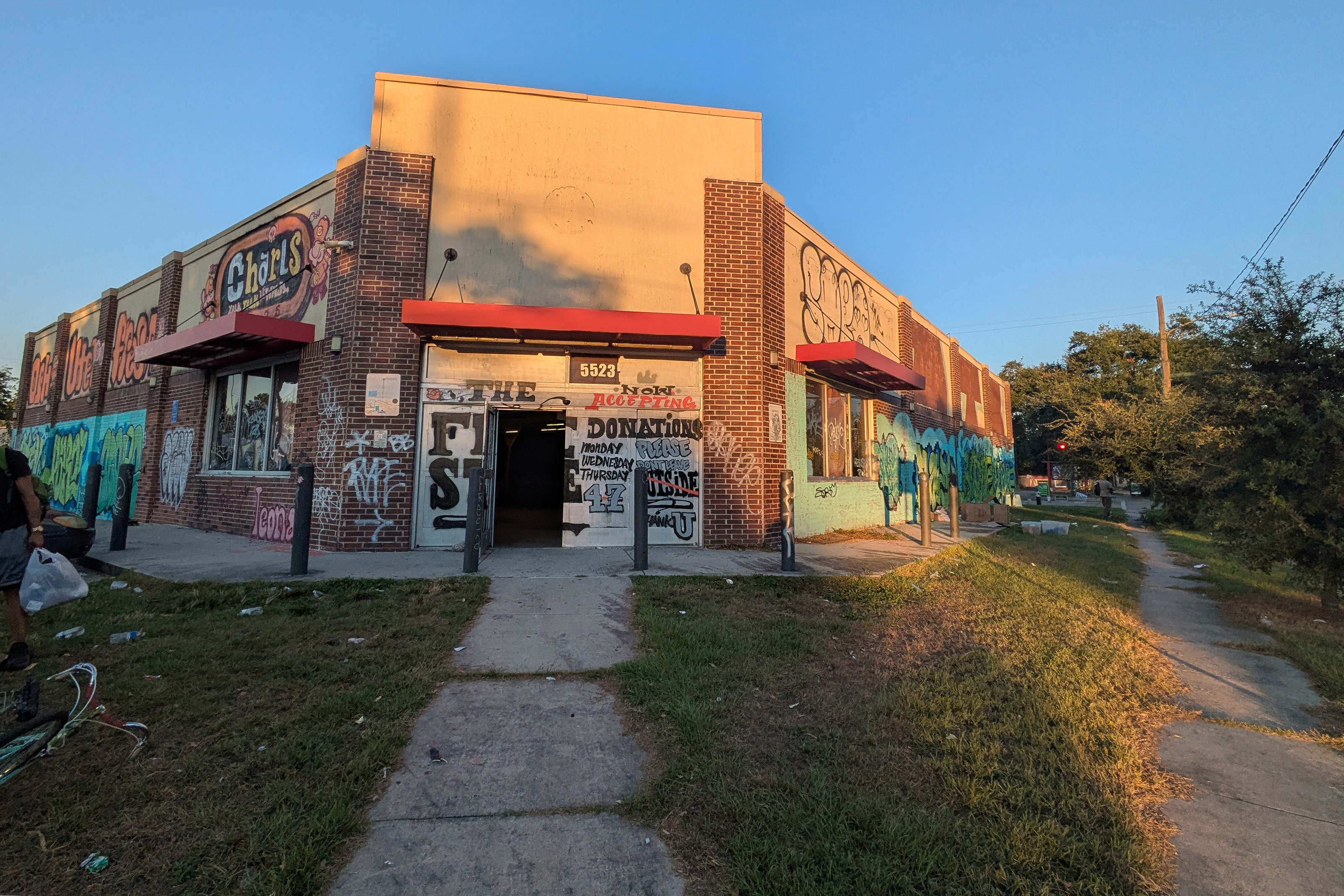
The Fred Hampton Free Store, as it is known, has become increasingly indispensable in recent months, a direct response to shifting national policies. The Trump administration’s aggressive stance on homelessness and drug use, marked by funding cuts to social service organizations and controversial measures like clearing encampments, has created a void that community-led initiatives are striving to fill. Nationally, the administration has advocated for forced treatment for individuals with substance use disorders and has publicly criticized harm reduction strategies, practices widely recognized by public health experts for their role in saving lives and reducing the spread of disease. In contrast, the Fred Hampton Free Store embodies a different philosophy, operating on the principles of compassion, accessibility, and radical inclusivity.
Named after the influential Black Panther activist Fred Hampton, renowned for his efforts to unite diverse groups for social change, the community space intentionally aligns with a legacy of grassroots activism. It operates entirely without federal, state, or local grants, or funding from philanthropic foundations. Instead, its sustenance relies on the generosity of the local community, a model Bingler describes with emotion as "neighbors helping neighbors." He tearfully shared, "It’s a really beautiful thing to be able to share all this space." The items available within the store are entirely community-donated, ranging from clothing and toiletries to unexpected contributions like 50 flat-screen TVs from a local hotel undergoing renovations. On any given open night, the center welcomes over 100 visitors, highlighting the significant demand for its services.
During a fall evening, the scene at the store was a tableau of community interaction. Dozens of individuals perused donated clothing and essential medications, while others congregated outside, conversing on the grass, keeping watch over their bicycles or carts filled with their worldly possessions. James Beshears, who visits the harm reduction group operating in the parking lot for sterile injection supplies, spoke candidly about his struggles. He explained his relapse after a lengthy period of treatment, citing the prohibitive cost of ongoing care and the loss of his physician as contributing factors. "Street drugs were cheaper than treatment," he admitted. Beshears expressed a desire to cease drug use but finds it challenging to access affordable care. He credits spaces like the free store with providing a lifeline, stating, "Without it, I’d have ‘one foot in the grave.’"
The presence of Aquil Bey, a paramedic and former Green Beret, further underscores the multifaceted nature of the support offered. Bey, the founder of Freestanding Communities, a volunteer-run organization providing free basic medical care and referrals to vulnerable populations, is a familiar and welcome figure. As he unloaded medical equipment, he encountered a man with stage 4 kidney disease who was struggling to reach his scheduled hospital treatments. Bey assured him that his team would assess his situation and explore transportation options, a crucial intervention for someone facing significant logistical barriers to care. Freestanding Communities maintains a consistent presence at the free store, offering a range of services including blood pressure and blood sugar checks, wound care, and assistance with making appointments for patients lacking personal phones.

Bey and his team demonstrated a proactive approach to problem-solving, connecting the man with kidney disease to reduced-cost transit programs. Their efforts extend to addressing immediate needs, as exemplified by their response to a man with a leg injury who was sleeping on concrete. Upon learning of the man’s situation, Bey and a volunteer retrieved a mattress from the store’s furniture section, secured it to a car, and delivered it to the man’s sleeping location. "We’re just trying to find all these barriers that people face and find ways to fix them," Bey articulated, encapsulating the ethos of their work.
The impact of the Fred Hampton Free Store is also evident in the personal stories of recovery. Stephen Wiltz, a lifelong resident of the Lower Ninth Ward who began using drugs at age 10, found a path to addiction care through the store’s clinic. Having previously experienced discrimination from healthcare providers who blamed him for his addiction, Wiltz was hesitant to seek treatment. However, years of trust built with the free store’s volunteers led him to accept their guidance. In the fall, Wiltz reported being in sustained recovery for the first time in his life, a testament to the supportive and non-judgmental environment fostered by the center. He expressed profound gratitude, stating that the volunteers "cared for people who didn’t have nobody to care for them."
As dusk settled on a fall evening, the atmosphere within the store shifted, yet the spirit of community remained. A punk band began setting up for a show in one section of the space, while medical consultations continued in another. The juxtaposition of a rock concert and a medical clinic underscored the unique character of the Fred Hampton Free Store. Bey, accustomed to the energetic sounds of punk music, continued his work, finding a quiet focus amidst the rising melodies. The store’s rental to bands, typically for $100 to $200 a night, helps to offset the operational costs, demonstrating a creative approach to sustainability. These concerts, often open to all ages, further embed the center within the fabric of the community, offering both essential services and avenues for cultural expression and connection. The Fred Hampton Free Store stands as a powerful example of how a community, facing significant challenges, can reclaim and repurpose spaces to build resilience and provide comprehensive support, proving that even in the shadow of devastation, hope and healing can flourish.