
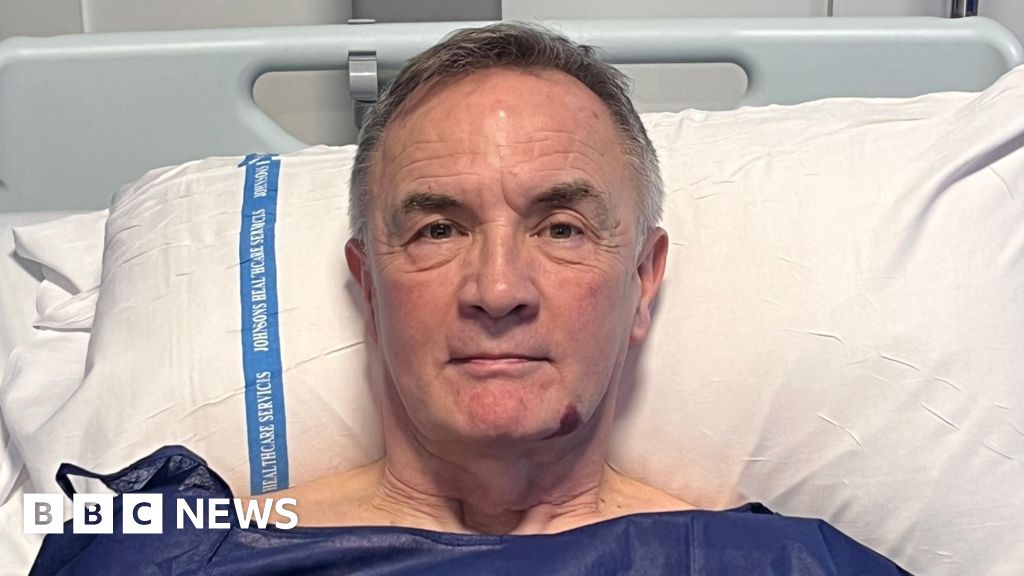
"A new era in cardiac care has dawned in the UK, with the introduction of a cutting-edge, non-thermal pulsed field ablation system offering renewed hope for millions suffering from atrial fibrillation. This innovative approach promises enhanced safety, greater efficiency, and a dramatically improved quality of life for patients previously limited by conventional treatments."
The landscape of cardiac electrophysiology is undergoing a significant transformation with the pioneering adoption of the Volt Pulsed Field Ablation (VPA) System in the United Kingdom. This groundbreaking technology, first trialled at Belfast’s Royal Victoria Hospital, represents a crucial advancement in treating Atrial Fibrillation (AF), a widespread and often debilitating heart rhythm disorder. Affecting approximately 1.4 million individuals across the UK, AF is characterized by an irregular and abnormally rapid heartbeat, profoundly impacting daily life and significantly increasing the risk of serious health complications like stroke and heart failure. The introduction of VPA offers a beacon of hope for patients who have found limited success with traditional therapies, promising a safer, more efficient, and ultimately more effective pathway to restored cardiac rhythm and improved well-being.
Atrial Fibrillation, the most common form of cardiac arrhythmia, arises from disorganized electrical signals originating in the upper chambers of the heart, or atria. Instead of a coordinated contraction, the atria quiver erratically, leading to an inefficient pumping action. While a normal heart rate typically falls between 60 and 100 beats per minute, individuals with AF can experience rates considerably higher, leading to a range of distressing symptoms. These include palpitations, a sensation of a fast, irregular, or pounding heart, as well as dizziness, persistent fatigue, shortness of breath, and chest discomfort. The chronic nature of AF can be progressive, with episodes that might initially be intermittent evolving into persistent forms, further entrenching its impact on a patient’s health. Beyond the immediate discomfort, AF carries profound health implications. The chaotic blood flow within the atria can lead to blood pooling and the formation of clots, which, if dislodged, can travel to the brain and cause an ischemic stroke. Furthermore, the constant strain on the heart from an inefficient rhythm can eventually lead to or worsen heart failure, a condition where the heart struggles to pump enough blood to meet the body’s needs. Despite its prevalence and serious risks, a significant number of people live with AF undiagnosed, unaware of the silent threat it poses to their cardiovascular and overall health.
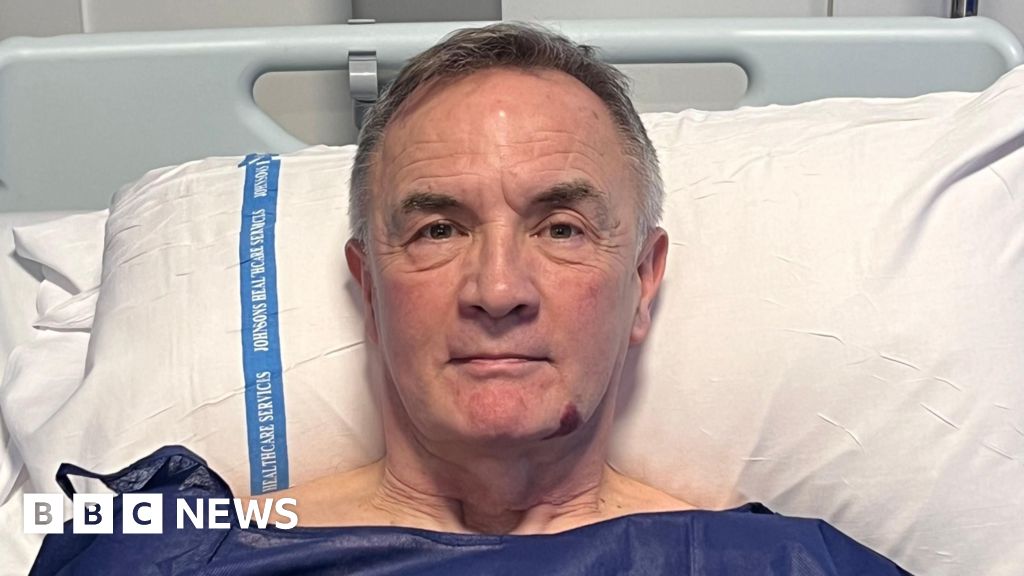
For individuals like Michael Robinson, a 67-year-old from Northern Ireland, the daily reality of living with AF has been profoundly challenging. Diagnosed five years ago following his younger brother’s death from a heart issue, Michael describes the condition as "very debilitating." Simple activities, such as a short walk, could trigger intense fatigue and a rapid increase in his heart rate, forcing him to withdraw from social engagements and daily plans. He recounts having to cancel a planned holiday and leaving a wedding reception after just half an hour due to the overwhelming symptoms. His experience underscores the significant erosion of quality of life that AF can inflict, limiting participation in activities and fostering a constant sense of unpredictability and vulnerability. Michael had previously undergone cryotherapy, a minimally invasive procedure designed to freeze and destroy the heart tissue responsible for irregular beats. However, like many patients, he experienced lingering discomfort, including gastric upset, and did not achieve a full recovery, highlighting the persistent need for more effective and less burdensome treatment options.
The arrival of the Volt Pulsed Field Ablation System marks a pivotal moment in addressing these unmet needs. Unlike conventional ablation techniques that rely on thermal energy – either heating (radiofrequency ablation) or freezing (cryoablation) – VPA employs high-energy electrical pulses to precisely target and ablate abnormal cardiac tissue. This non-thermal approach is revolutionary because it induces cell death (irreversible electroporation) without generating significant heat or cold, thereby fundamentally minimizing the risk of damage to delicate surrounding structures. Crucially, this includes the oesophagus, a major concern with thermal ablation due to the potential for serious complications like atrio-oesophageal fistula, and the phrenic nerve, which controls the diaphragm’s movement. This enhanced tissue selectivity represents a significant leap forward in patient safety, reducing procedural risks that have historically been associated with catheter ablation.
Belfast’s Royal Victoria Hospital (RVH) has earned the distinction of being the first institution in the UK to pilot this groundbreaking technology, with Dr. Nick Cromie, a leading cardiac electrophysiologist, spearheading the initiative. The trial, which commenced in September, has already seen 60 patients successfully treated at the RVH. Dr. Cromie explains the intricate process: "We entered the bloodstream at the top of the inner thigh and then travelled up through the bloodstream all the way up to Michael’s heart – where we punctured a small hole to access the chamber where the problem is and then inflated a small balloon. That helps us conduct electrical signals in the catheter into the heart tissue which needs treated." This minimally invasive procedure, performed under conscious sedation, allows for remarkable operational efficiencies.
The benefits of VPA extend beyond improved patient safety and treatment efficacy, addressing critical challenges within healthcare systems. One of the most significant advantages is the ability to treat more patients each day – up to three, compared to typically one with older methods. This dramatically increased throughput has direct implications for tackling burgeoning waiting lists, a persistent issue across the NHS. Furthermore, the requirement for only conscious sedation, rather than general anaesthesia, eliminates the need for an anaesthetist during the procedure. This is particularly impactful given the global shortage of specialist anaesthetists, freeing up valuable medical personnel for other critical procedures. The rapid recovery time also allows for same-day admission and discharge for patients, a stark contrast to procedures that might necessitate an overnight stay. This not only enhances the patient experience but also liberates valuable hospital beds, improving overall patient flow and resource allocation within the healthcare system. Dr. Cromie underscores these systemic advantages, stating, "This system is a big step forward in both patient safety and the hospital being a lot more efficient with its staff and use of theatre time." He emphasizes that the ultimate goal is to proactively prevent more serious illnesses, such as stroke and heart attack, by effectively managing AF.

The early success of the pilot program in Belfast has rapidly paved the way for the Volt PFA system, developed by global healthcare company Abbott, to be rolled out in other parts of the UK. Dr. Riyaz Somani, a consultant cardiologist at the University Hospitals of Leicester NHS Trust, became the first electrophysiologist in England to utilize the new system. His initial feedback mirrors the positive experience in Belfast: "Our initial experience has been overwhelmingly positive, with all patients tolerating the procedure very well with excellent acute success rates." This rapid adoption by other leading cardiac centers highlights the compelling evidence for VPA’s effectiveness and safety, signaling a broader shift in AF treatment paradigms across the nation.
For Michael Robinson, the impact of the VPA treatment was immediate and profound. Just seven hours after being taken to the theatre, he was ready to return home, a testament to the procedure’s efficiency and minimal invasiveness. His transformation was palpable, expressing immense gratitude for the care received at the Royal Victoria Hospital. "I am feeling much better already," he declared, his voice imbued with a newfound lightness, even joking about going to play a game of football – a simple pleasure that had become unimaginable under the shadow of his debilitating condition. This anecdote perfectly encapsulates the core promise of the Volt Pulsed Field Ablation System: not just to treat a medical condition, but to restore quality of life, independence, and the joy of everyday activities for individuals living with atrial fibrillation.
The introduction of VPA represents a landmark achievement in cardiovascular medicine, establishing the UK at the forefront of innovative cardiac care. By offering a safer, more effective, and operationally efficient treatment for atrial fibrillation, this technology holds the potential to significantly improve patient outcomes, alleviate pressure on healthcare resources, and fundamentally redefine the management of this widespread heart condition for years to come. The journey of patients like Michael Robinson serves as a powerful testament to the transformative potential of such pioneering medical advancements.