
A landmark global analysis reveals that over one-third of all cancer cases, equating to seven million diagnoses each year, are preventable through targeted interventions against infections, lifestyle choices, and environmental exposures. This profound insight offers a powerful roadmap for public health initiatives worldwide, highlighting an unprecedented opportunity to transform global health outcomes.
This groundbreaking report, spearheaded by scientists from the World Health Organization (WHO), underscores a critical paradigm shift in the fight against cancer. Far from an inevitable fate, a substantial proportion of cancer diagnoses—an estimated 37%—stem from modifiable risk factors. The comprehensive analysis, the first of its kind on a global scale, meticulously quantifies the immense potential to reduce the worldwide cancer burden by focusing on known culprits ranging from infectious agents to behavioral patterns and environmental pollutants. The findings not only provide a sobering assessment of current challenges but also illuminate a clear path forward for policymakers and healthcare systems committed to improving population health.
The International Agency for Research on Cancer (IARC), a specialized agency of the WHO, conducted this extensive study, analyzing cancer cases from 2022 against 30 well-established preventable factors observed a decade prior across 185 countries. The sheer scale and rigorous methodology of the research lend significant weight to its conclusions, offering a robust foundation for global health strategies. Dr. Isabelle Soerjomataram, the deputy head of the IARC Cancer Surveillance Unit and a leading researcher on the report, articulated the surprising yet encouraging nature of these findings, noting that nearly four out of every ten cancer cases could potentially be averted. This revelation emphasizes that while some cancers are undeniably linked to unavoidable factors such as genetic predispositions or the natural accumulation of DNA damage over time, a vast and impactful sphere of prevention remains largely untapped.
The Landscape of Preventable Risk Factors
The report meticulously details the multifaceted origins of preventable cancers, categorizing them into infectious, lifestyle-related, and environmental factors. These elements interact with human biology in complex ways, often initiating cellular damage, altering hormonal balances, or triggering chronic inflammation that paves the way for malignant transformation.
Among the most significant lifestyle-related contributors, tobacco use stands out as a primary driver of cancer. Smoking, in particular, exposes the body to a cocktail of carcinogens that directly damage DNA, leading to a wide array of cancers, most notably lung cancer, but also impacting the mouth, throat, esophagus, bladder, and pancreas. The global prevalence of smoking, though declining in some regions due to stringent public health policies, continues to impose a heavy cancer burden, particularly among men. Similarly, alcohol consumption contributes significantly to preventable cancers. The metabolic breakdown of alcohol produces acetaldehyde, a known carcinogen, and can also lead to oxidative stress and hormonal disruption. Cancers of the mouth, throat, esophagus, liver, and breast are strongly linked to alcohol intake, underscoring the need for greater public awareness and moderation.
Obesity and insufficient physical activity represent another critical cluster of preventable factors. Beyond their well-known associations with cardiovascular disease and diabetes, these conditions profoundly influence cancer risk. Excess adipose tissue (body fat) produces hormones, such as estrogen, and inflammatory molecules that can stimulate cell proliferation and inhibit programmed cell death, contributing to cancers of the bowel, breast (post-menopause), endometrium, kidney, and esophagus, among others. A sedentary lifestyle exacerbates these risks, further highlighting the importance of integrated public health approaches promoting balanced diets and regular physical activity.
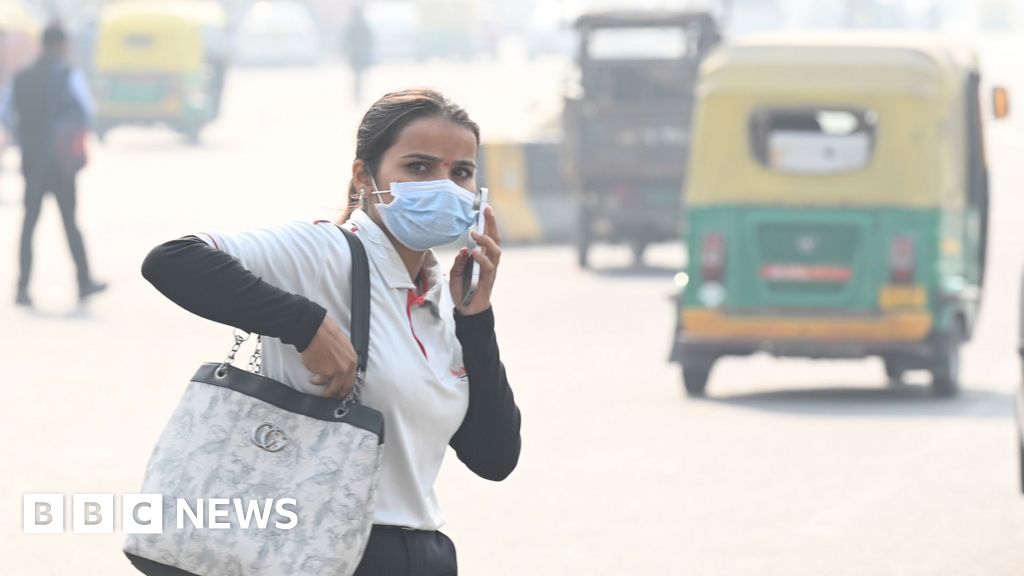
Environmental exposures also play a substantial role. Ultraviolet (UV) radiation from sun exposure is a well-established cause of skin cancers, including melanoma, basal cell carcinoma, and squamous cell carcinoma. Public health campaigns promoting sun protection, such as seeking shade, wearing protective clothing, and using sunscreen, have become crucial in mitigating this risk. Perhaps less visibly but equally pernicious, air pollution emerges as a growing concern. Fine particulate matter (PM2.5) and other airborne carcinogens, often originating from industrial emissions, vehicle exhaust, and domestic fuel combustion, can penetrate deep into the lungs, causing inflammation and DNA damage. The report notes that air pollution can even "wake up dormant cancer cells," underscoring its insidious impact. Regions like the Delhi area in India, which experienced "severe" air quality levels in November, exemplify the urgent need for comprehensive environmental policies to curb this widespread threat.
The Overlooked Role of Infections
A striking finding of the IARC report is the profound impact of infectious agents on the global cancer burden. The analysis identified nine distinct cancer-causing infections, collectively responsible for a significant proportion of preventable cases. The human papillomavirus (HPV) is a leading cause of cervical cancer, as well as certain head and neck, anal, and vulvar cancers. The advent of highly effective HPV vaccines represents one of the most successful cancer prevention strategies to date, offering a clear pathway to dramatically reduce the incidence of these diseases.
Hepatitis B and C viruses are primary drivers of liver cancer, particularly prevalent in regions with high infection rates. Effective vaccination programs against Hepatitis B and improved antiviral treatments for both Hepatitis B and C are crucial interventions that can avert countless cases of liver malignancy. Furthermore, the common stomach bacterium Helicobacter pylori (H. pylori) is recognized as a significant cause of stomach cancer. Eradication therapy for H. pylori infection can reduce the risk of gastric adenocarcinoma, particularly in high-prevalence areas. Other infections, such as Epstein-Barr virus (linked to nasopharyngeal carcinoma and lymphomas) and HIV (associated with Kaposi’s sarcoma and non-Hodgkin lymphoma), also contribute to the infectious cancer burden.
A Nuanced Global Picture and Tailored Interventions
The global figures, while illuminating, mask a complex and varied landscape of cancer risk across different populations. The study revealed a stark sex-divide in preventability: 45% of cancers in men were found to be preventable, compared with 30% in women. This disparity is largely attributed to historically higher rates of smoking among men in many parts of the world.
Moreover, geographical and socio-economic factors profoundly influence the predominant preventable causes. In women living in Europe, for instance, the top three preventable causes of cancer are smoking, followed closely by infection, and then obesity. This necessitates a multi-pronged public health strategy addressing these specific risks. In stark contrast, women in sub-Saharan Africa face a dramatically different risk profile, where infections dominate, accounting for nearly 80% of preventable cancers. This highlights the critical importance of localized, culturally sensitive, and resource-appropriate interventions, such as widespread vaccination programs, improved sanitation, and effective treatment of infectious diseases, rather than a one-size-fits-all approach.
A Powerful Opportunity for Transformation
The report, published in the esteemed journal Nature Medicine, specifically highlighted that lung cancer (heavily linked to smoking and air pollution), stomach cancer (associated with H. pylori infection), and cervical cancer (caused by HPV infection) together constitute nearly half of all preventable cancer cases. This concentration of impact suggests that focused efforts on these three areas alone could yield immense public health dividends.
Dr. Andre Ilbawi, team lead for cancer control at WHO, echoed the optimistic sentiment, describing the study as "good news." He emphasized that the findings empower global health organizations and national governments to take decisive action. Dr. Ilbawi pointed to the demonstrable success of countries that have proactively implemented policies to curb smoking or rolled out comprehensive HPV vaccination programs, showcasing tangible proof that significant reductions in cancer incidence are achievable. The ultimate aspiration, he noted, is to drive the percentage of preventable cancers "as close to zero as possible," a formidable yet inspiring goal that underscores the profound impact of sustained public health commitment.
This landmark study serves as a clarion call for intensified global efforts in cancer prevention. By meticulously identifying the modifiable drivers of cancer, the IARC report provides an invaluable framework for developing and implementing targeted, evidence-based interventions. The opportunity to prevent seven million cancer cases annually is not merely a statistical aspiration but a tangible pathway to alleviating suffering, extending healthy life years, and fostering a healthier, more equitable future for populations worldwide. Realizing this potential will require concerted action from governments, healthcare systems, communities, and individuals, working in synergy to transform the global cancer landscape.