
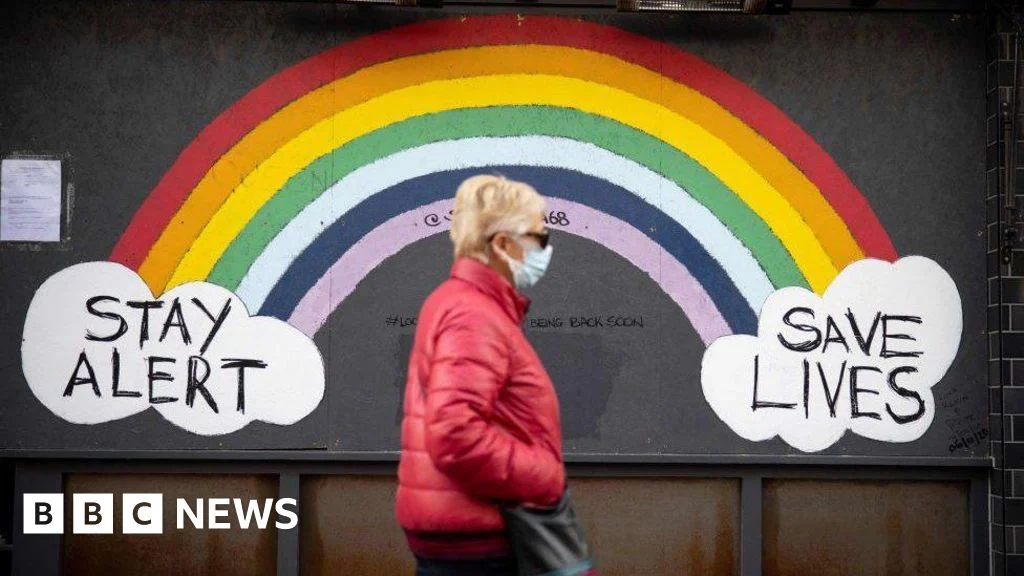
"The UK Covid-19 Inquiry stands as a monumental effort to dissect the nation’s pandemic response, revealing critical failings in preparedness and political decision-making, while grappling with the profound human cost of over 227,000 lives lost. Its ongoing investigations aim to forge a path towards greater resilience, though the government is not bound to adopt its far-reaching recommendations."
The UK Covid-19 Inquiry, a comprehensive and independent investigation into the nation’s handling of the unprecedented global health crisis, is set to release its third pivotal report this Thursday, focusing on the profound impact of the pandemic on the country’s healthcare systems. This latest examination follows two highly critical preceding reports that have already cast a harsh light on the government’s early response, branding it "too little, too late" and highlighting significant lapses in both readiness and political leadership across the United Kingdom. With a staggering death toll of nearly 227,000 individuals attributed to Covid-19 between March 2020 and May 2023, when the World Health Organization declared an end to the global health emergency, the inquiry’s findings hold immense weight for bereaved families and the public seeking accountability and lessons learned.
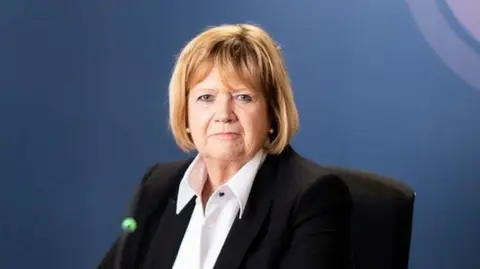
Established and funded by the government, a public inquiry operates under the guidance of an independent chair, vested with the power to compel witnesses to provide evidence. Crucially, while such inquiries meticulously investigate events and publish conclusions along with recommendations, they do not assign guilt or innocence in a legal sense. Furthermore, the government of the day is not legally obligated to implement these recommendations, though their moral and political influence can be substantial. The UK Covid-19 Inquiry is chaired by Baroness Hallett, a distinguished former judge and crossbench peer, renowned for her leadership in the inquests following the 7 July London bombings. Baroness Hallett has consistently affirmed that the "loss and suffering" endured by the nation would remain at the core of the inquiry’s extensive work, underscoring its human-centric mission.
The inquiry’s scope is broad, encompassing the decision-making processes of the central UK government, as well as the distinct administrations in Scotland, Wales, and Northern Ireland. Public hearings, which commenced in June 2023, concluded their final sessions in March 2026, having amassed testimony from hundreds of witnesses. These included a diverse array of current and former politicians, senior civil servants, key government advisers, leading public health experts, and crucially, representatives of the bereaved families whose lives were irrevocably altered by the pandemic.
The financial undertaking of such a comprehensive investigation is significant. The inquiry itself has incurred costs of approximately £192 million. This figure is further augmented by substantial expenditures from the government, including £56.4 million on legal costs, £44.6 million on staffing expenses, and an additional £3.7 million on other non-specified categories, as of December 2025. This combined total means the overall cost to the taxpayer has exceeded previous estimates, surpassing £296 million. This substantial investment underscores the national commitment to understanding the pandemic response, although it has also drawn scrutiny regarding efficiency and timeliness, particularly following concerns raised by groups like Covid-19 Bereaved Families for Justice, who reportedly considered a judicial review over perceived "time-wasting."
The inquiry’s initial reports have already delivered stinging critiques. The first report, published in July 2024, focused on the nation’s resilience and preparedness for a pandemic. Its findings were stark, concluding that both the UK government and the devolved nations "failed their citizens." The report highlighted a critical deficiency where ministers did not sufficiently challenge scientific experts, suggesting a lack of robust scrutiny at the highest levels of decision-making. Baroness Hallett passionately stated, "Never again can a disease be allowed to lead to so many deaths and so much suffering," emphasizing the urgency of systemic reform. This report provided concrete recommendations aimed at fundamentally reforming the government’s approach to emergency planning, stressing the need for better inter-agency coordination, clearer lines of responsibility, and more dynamic engagement with scientific advice.
Building on these foundations, the inquiry’s second report, released in November 2025, delved into the intricacies of political decision-making during the pandemic. This report uncovered alarming revelations, including the conclusion that a mere week-long delay in implementing lockdown measures resulted in an estimated 23,000 additional deaths in England during the pandemic’s first wave. Furthermore, it painted a grim picture of a "toxic and chaotic" culture pervading the heart of the UK government. This internal environment, the report argued, severely compromised the quality of advice received and the efficacy of decision-making during a period of national crisis. To support its conclusions, the inquiry made public over 7,000 documents from the period, offering an unprecedented glimpse into the inner workings of government through WhatsApp chats, emails, private diaries, and confidential files. These disclosures provided a granular, often unvarnished, view of the pressures, disagreements, and personal reflections of those at the helm.
With no further public hearings scheduled, the inquiry now transitions to the extensive task of compiling its remaining reports. The fourth report, which will focus on vaccines, is anticipated on 16 April 2026. This will be followed by a report examining procurement practices, expected in summer 2026. Towards the end of 2026, reports concerning the care sector and the much-debated test-and-trace system are due. The final three reports, covering other critical aspects of the pandemic response, are slated for publication in the first half of 2027, promising a comprehensive retrospective analysis.
The testimonies from key figures have offered powerful insights into the pressures and internal dynamics of the pandemic response. Former Prime Minister Boris Johnson, who led the country through much of the crisis, faced considerable criticism during his evidence sessions. He began his first appearance in December 2023 with an apology for the "pain and the loss and the suffering" caused by the pandemic. While acknowledging that "unquestionably things we should have done differently," Johnson maintained that ministers had acted to their "level best" under exceptionally difficult circumstances. His testimony touched upon various controversial episodes, including the Barnard Castle incident, the intense pressures on Intensive Care Units, and public heckling, illustrating the multifaceted challenges of leadership during the crisis.
Former Chancellor Rishi Sunak also offered an apology in his first appearance, expressing regret to "all those who suffered… as a result of the actions that were taken." However, he vehemently denied that his "Eat Out to Help Out" scheme, designed to stimulate the economy, had contributed to an increase in infections and deaths. This claim stood in contrast to evidence from the government’s chief medical officer, Prof Sir Chris Whitty, and former chief scientific adviser Sir Patrick Vallance, who both testified that they had not been consulted on the policy. Sir Patrick, Sir Chris, and his former deputy Prof Sir Jonathan Van-Tam also spoke of the substantial abuse they received from the public while fulfilling their crucial public health roles, highlighting the immense personal toll of guiding the nation through the pandemic.
Former Health Secretary Matt Hancock gave evidence multiple times, admitting that the UK’s initial pandemic strategy was "completely wrong" and that a lockdown should have been imposed much sooner. He also contributed to the narrative of a "toxic culture" within government, placing significant blame on Johnson’s former adviser, Dominic Cummings. Cummings, in his own testimony, depicted a "dysfunctional" government, offering scathing critiques of Johnson’s approach. His evidence session also delved into the highly critical and often offensive text messages he sent about ministers and officials. While expressing regret over the handling of his infamous trip to Barnard Castle during the first lockdown, Cummings denied that the incident had significantly damaged public trust in the government.

Leaders from Scotland, Wales, and Northern Ireland also provided testimony, offering perspectives on how their respective devolved administrations navigated the crisis, the challenges of coordination with the central government, and the unique circumstances faced by their populations. Their evidence contributes to the inquiry’s holistic understanding of the pandemic’s impact across the diverse constitutional landscape of the UK.
Throughout the inquiry’s process, groups representing bereaved families have played a vital role, consistently urging the investigation to ensure that the voices and experiences of those who lost loved ones are not only heard but also central to its findings and recommendations. Their tireless advocacy underscores the profound human dimension of the inquiry, transforming it from a mere historical review into a platform for remembrance, recognition, and a fervent hope for a more prepared and compassionate future. The inquiry’s final reports will undoubtedly provide a comprehensive historical record, offering invaluable lessons for future generations and critical insights into the complex interplay of science, politics, and public health during an unprecedented global crisis.