
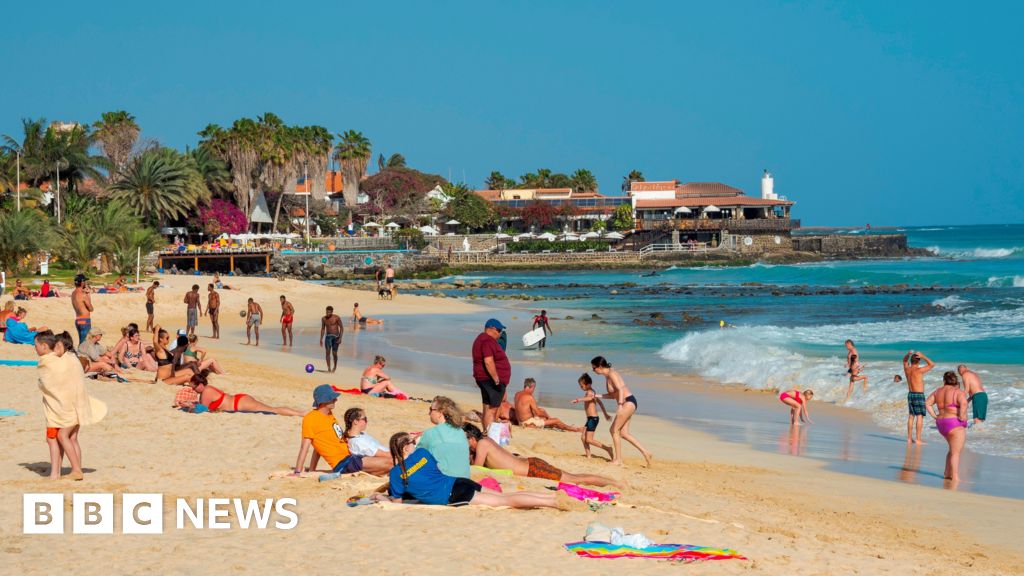
"UK health authorities have issued a stark warning to travellers heading to Cape Verde following a surge in shigella and salmonella infections, which have tragically been linked to the deaths of four British holidaymakers and prompted legal action against a major tour operator."
The UK Health Security Agency (UKHSA) has sounded an alarm for prospective travellers to Cape Verde, a popular West African archipelago, after a significant increase in reported cases of severe stomach bugs among British tourists. The warning comes particularly ahead of the busy February half-term period, when many British holidaymakers typically seek warmer climes, making the popular winter destination a focal point for public health concern. The situation has been compounded by the tragic deaths of four Britons within months of contracting these infections, leading to ongoing investigations and legal claims.
Since October 1st, the UKHSA has meticulously identified 118 cases of shigella and 43 cases of salmonella directly linked to recent trips to Cape Verde. These figures represent a concerning trend that necessitates heightened awareness and precautionary measures from anyone planning to visit the islands. While the majority of individuals infected with these bacterial pathogens typically recover within a week, the devastating impact on a subset of travellers, including the four fatalities, underscores the potential severity of these illnesses, especially for vulnerable populations.
Shigella and salmonella are both highly contagious bacterial infections that primarily target the gastrointestinal tract, leading to a range of debilitating symptoms. Shigellosis, caused by bacteria from the Shigella genus, is characterized by sudden onset of diarrhoea, often bloody or containing mucus, accompanied by fever, stomach cramps, and tenesmus (a persistent feeling of needing to pass stool, even when the bowels are empty). The incubation period for shigella typically ranges from one to three days. Salmonella infection, or salmonellosis, presents with similar symptoms including diarrhoea, fever, and abdominal cramps, but may also include nausea and vomiting. Its incubation period can vary from six hours to six days. Both infections can lead to significant dehydration, which, if severe and left untreated, can result in kidney failure and other life-threatening complications.
The pathogens are notoriously spread through the fecal-oral route, meaning the bacteria are passed from the faeces of an infected person or animal to another person. This transmission can occur directly through person-to-person contact, often due to inadequate hand hygiene after using the toilet, or indirectly through the consumption of contaminated food or water, or contact with contaminated surfaces. In busy hospitality settings, such as all-inclusive resorts, the risk of rapid transmission is amplified due to shared facilities, buffet-style catering, and high turnover of guests and staff. Dr. Damien Tully, an associate professor at the London School of Hygiene and Tropical Medicine, has previously highlighted that outbreaks of shigella are "not unusual, particularly in busy hospitality settings where large numbers of people are eating and sharing facilities," identifying buffet-style catering as a "breeding ground" for bacteria and viruses.
The UKHSA’s Deputy Director for Gastrointestinal Infections and Food Safety, Dr. Gauri Godbole, emphasized the critical importance of preventative measures. "Taking a few simple precautions against traveller’s diarrhoea and food poisoning can make all the difference," Dr. Godbole stated. "The best way to avoid gastrointestinal infections, including shigella and salmonella, or passing them to others, is simply by washing your hands regularly and thoroughly with soap and water or alcohol gel – particularly after using the toilet, changing nappies, and before eating or preparing food."
In addition to stringent hand hygiene, travellers are strongly advised to adopt comprehensive food and water safety practices. This includes consuming only bottled or boiled water, avoiding ice in drinks, and using bottled water for brushing teeth. Regarding food, the general rule of "boil it, cook it, peel it, or forget it" is paramount. This means avoiding raw or undercooked meats, fish, and eggs; steering clear of unpasteurised dairy products; and being wary of salads or fruits that may have been washed in unsafe water or handled without proper hygiene. Swimming pool hygiene is also a consideration, with travellers advised to avoid swallowing pool water. Prompt medical attention should be sought if symptoms develop, and travel insurance is crucial for covering potential medical expenses abroad.
The majority of the shigella cases identified by the UKHSA have been linked to individuals who visited the Santa Maria area on Sal Island and the island of Boa Vista. These locations are among Cape Verde’s most popular tourist destinations, renowned for their stunning beaches and resort complexes, especially during the winter months when temperatures typically hover around a pleasant 25°C. The concentration of cases in these key tourist hubs suggests a potential link to common points of exposure within the hospitality sector.
A significant factor contributing to the increased health risks in Cape Verde has been the aftermath of Hurricane Erin, which struck the archipelago last August. The hurricane caused considerable damage to vital infrastructure, including water and sanitation systems. Following this natural disaster, the World Health Organization (WHO) issued an assessment warning of an elevated risk of disease transmission stemming from contaminated water sources and an increase in carrier insects. Such damage can compromise water treatment facilities, disrupt clean water supply lines, and overwhelm sewage systems, creating environments ripe for the spread of waterborne and foodborne pathogens like shigella and salmonella. The long-term recovery of such infrastructure presents ongoing challenges for public health safety.
The human toll of this outbreak is profoundly tragic. Four British holidaymakers – Mark Ashley, 55, from Bedfordshire; Elena Walsh, 64, from Birmingham; Karen Pooley, 64, from Gloucestershire; and a 56-year-old man from Watford – all died last year after contracting severe stomach bugs during their holidays in Cape Verde. These four individuals are part of a larger group of six Britons who have died since January 2023 following illnesses contracted in the archipelago. Their families have initiated personal injury claims against the package holiday firm Tui, alleging negligence in upholding hygiene standards.
The families’ concerns have been vocal. Emma Ashley, wife of Mark Ashley, reportedly raised specific concerns regarding the hygiene standards at the resort where she and her husband stayed on Sal. Similarly, Sean Walsh, son of Elena Walsh, expressed worries about the cleanliness and safety protocols at their hotel. These claims highlight the critical responsibility of tour operators and resorts to ensure the health and safety of their guests. Tui has acknowledged that it is investigating these claims but has refrained from further comment due to ongoing legal proceedings, a standard practice in such circumstances.
This ongoing situation underscores the broader implications for public health and the tourism industry in Cape Verde. While the islands remain an attractive destination, the current health alert serves as a stark reminder of the potential risks associated with international travel, particularly to regions where infrastructure may be vulnerable or recovering from environmental challenges. For travellers, vigilance, adherence to public health advice, and comprehensive travel insurance are not merely recommendations but essential components of responsible and safe international travel. The UKHSA continues to monitor the situation closely, providing updated guidance as new information becomes available, reinforcing the message that preparedness and caution are paramount for a healthy holiday experience.