
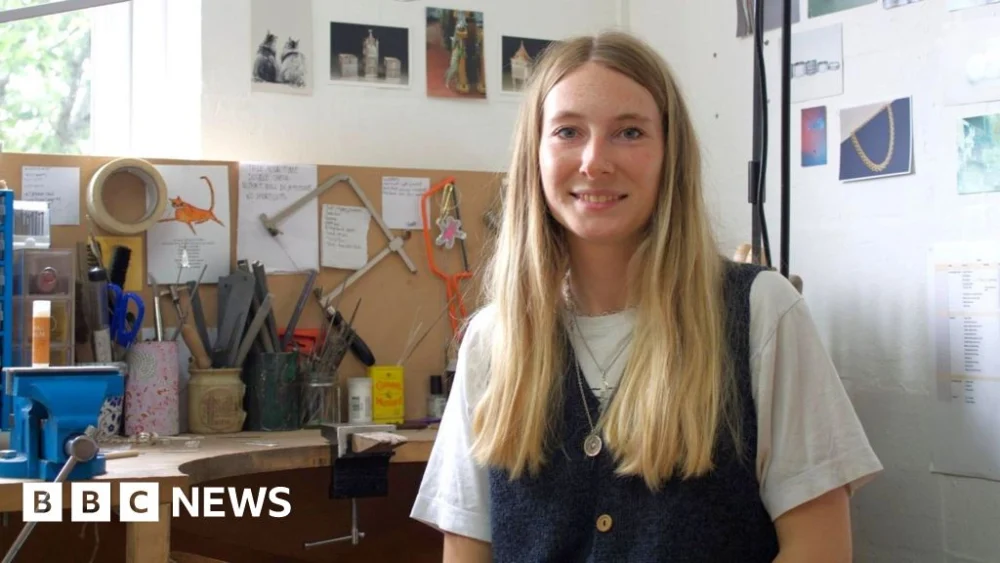
"Facing a critical four-month window due to severe endometriosis and plummeting ovarian reserves, 30-year-old Iona Hall is urgently seeking to freeze her eggs. Her journey highlights the devastating impact of chronic reproductive conditions and the significant financial barriers to fertility preservation for those medically impacted."
Iona Hall, a 30-year-old silversmith from Bristol, is embarking on a deeply personal and urgent mission to preserve her fertility, a race against time necessitated by a severe diagnosis of stage four endometriosis. Her story casts a spotlight on the often-debilitating nature of this chronic condition, the arduous path to diagnosis, and the critical need for accessible fertility preservation options for those whose reproductive health is compromised by illness. Having undergone extensive surgery, Hall now faces a rapidly diminishing window of opportunity to safeguard her chances of starting a family, navigating both the physical and financial challenges involved in securing her future.
Hall’s ordeal began long before her formal diagnosis, with symptoms that were initially dismissed and misattributed. For years, she experienced severe abdominal pain, which she now understands was masked by contraceptive use. Upon discontinuing the pill, the true extent of her suffering became undeniable. "When I was in my teens and early twenties I just thought I was getting urinary and kidney infections all the time," she recounted to BBC Radio Bristol. "I just thought I was one of those unlucky girls. The pain just never went." This persistent agony escalated to a point where she would wake in the middle of the night, writhing and vomiting from the intensity of the discomfort.
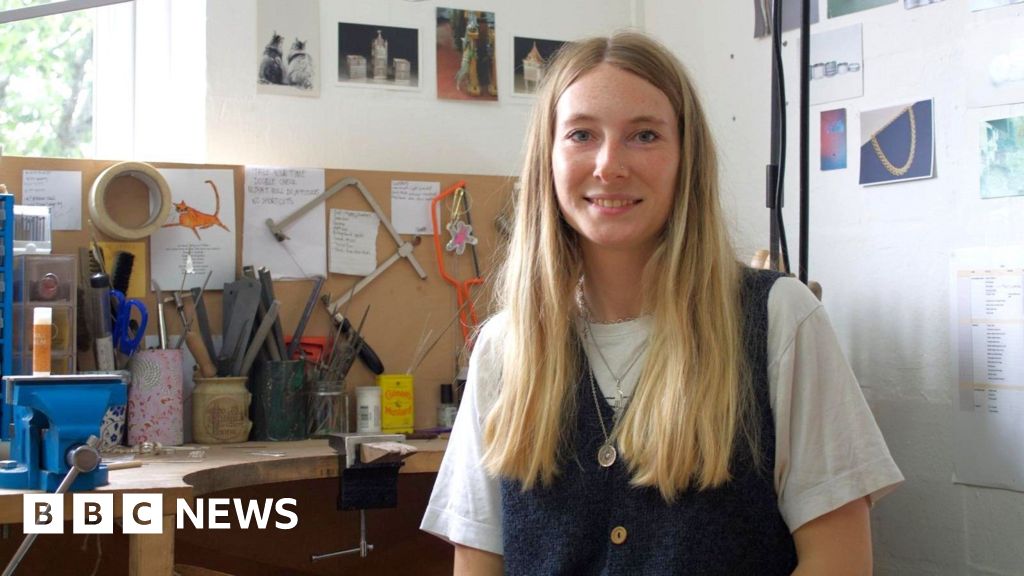
At the age of 24, after enduring years of unexplained pain, Hall was initially misdiagnosed with chronic urinary tract infections (UTIs) and prescribed a six-month course of antibiotics. This common diagnostic misstep for endometriosis patients underscores a systemic issue: the average diagnosis time for endometriosis is over eight years from the onset of symptoms, a delay that often allows the disease to progress significantly. By the time doctors realized the true nature of her condition, the endometriosis had spread extensively throughout her body, reaching a severe stage four classification.
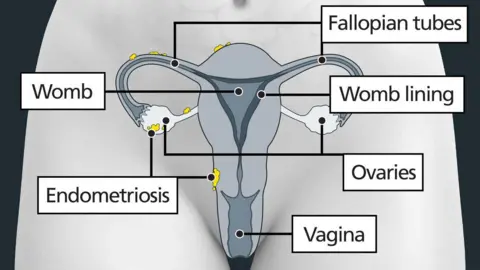
Endometriosis is a condition where tissue similar to the lining of the uterus (the endometrium) grows outside the uterus. These growths, known as endometriomas or lesions, can occur on various organs, most commonly the ovaries, fallopian tubes, and the tissue lining the pelvis. However, in severe cases like Hall’s, it can spread to the bowel, bladder, diaphragm, and even beyond. Unlike normal uterine lining, these ectopic tissues have no exit route from the body during menstruation, leading to internal bleeding, inflammation, excruciating pain, scar tissue formation, and adhesions where organs fuse together.
Hall’s stage four diagnosis meant extensive disease. In 2024, she underwent two major operations to address the widespread damage. Surgeons removed a 10cm cyst from her ovary and had to painstakingly separate her bowels and uterus, which had become fused by aggressive adhesions. These surgeries, while necessary to alleviate pain and remove diseased tissue, often come with the significant risk of further impacting ovarian reserve, a crucial factor for fertility.
The impact of endometriosis on fertility is multifaceted. The inflammation, scar tissue, and adhesions can distort pelvic anatomy, block fallopian tubes, and impair ovarian function. Endometriomas on the ovaries can destroy healthy ovarian tissue. Furthermore, the chronic inflammatory environment can negatively affect egg quality, embryo development, and implantation. For many women with endometriosis, preserving fertility becomes a critical concern, especially as surgical interventions can further diminish their egg supply.
Following her surgeries, Hall received the devastating news that her egg reserve had plummeted to "critically low" numbers. Her anti-Mullerian Hormone (AMH) levels, a key indicator of ovarian reserve, had dropped from 11.9 prior to surgery to a mere 2.1. To put this into perspective, the average AMH level for a 30-year-old woman is around 17. This drastic decline underscores the urgency of her situation; with each passing month, her natural fertility potential continues to diminish.
"I was really, really upset," Hall shared, articulating the emotional weight of the diagnosis. "Freezing my eggs is my only chance to preserve my fertility and give myself the option of a family in the future. Endometriosis has taken so much from my life, and I don’t want it to take this from me too." Her determination to fight for her future family is palpable, but the path is fraught with significant financial hurdles.
The process of egg freezing involves several stages: ovarian stimulation with hormones to produce multiple eggs, followed by a minor surgical procedure called egg retrieval, and finally, the cryopreservation (freezing) of the collected eggs. This complex medical intervention is not inexpensive. Hall has launched a fundraiser to generate the £21,000 needed to cover three rounds of egg harvesting. This substantial cost highlights a critical gap in healthcare provision, as fertility preservation for medical reasons like endometriosis is often not fully covered by public health services, forcing patients already battling severe illness to also contend with immense financial pressure. The necessity of multiple rounds stems from the fact that not all retrieved eggs will survive the freezing and thawing process, and a sufficient number are needed to offer a reasonable chance of future pregnancy.
The psychological toll of enduring chronic pain, facing a potentially devastating diagnosis, and then having to fundraise for essential medical procedures cannot be overstated. Iona, a self-employed silversmith, must navigate her professional life while managing severe health issues and the emotional burden of fertility concerns. Her experience is a stark reminder of the broader challenges faced by the estimated one in ten women globally who suffer from endometriosis.
The pervasive delay in diagnosing endometriosis is a significant public health issue. Symptoms are often normalized as "bad periods" or misdiagnosed as other conditions, leading to years of suffering and irreversible disease progression. Increased awareness among both the public and medical professionals is crucial to reduce this diagnostic lag. Education about the varied symptoms of endometriosis, which can include not just pelvic pain but also fatigue, painful bowel movements, painful urination, and pain during sex, is essential for earlier intervention.
Iona Hall’s courageous decision to share her story and fundraise for her fertility preservation journey serves as a powerful advocacy tool. It sheds light on the lived experience of endometriosis patients, the critical importance of early diagnosis, and the desperate need for more equitable access to fertility preservation technologies. Her race against time is not just a personal battle, but a poignant illustration of the broader systemic changes needed to better support individuals facing chronic reproductive health challenges. As Iona looks ahead to the next four months, holding onto the hope that "the little eggs I do have left are good quality," her resolve embodies the strength and resilience of those living with endometriosis, fighting for their future against formidable odds.