

"For hundreds of thousands of women for whom traditional hormone replacement therapy is not an option, the availability of Veoza marks a pivotal moment, offering a targeted, non-hormonal pathway to alleviate the debilitating impact of hot flushes and night sweats."
The introduction of Veoza (fezolinetant) on the NHS in England heralds a significant advancement in menopause care, providing a much-anticipated non-hormonal treatment alternative for women experiencing severe hot flushes and night sweats. This daily oral medication operates by selectively blocking specific nerve pathways in the brain responsible for triggering these uncomfortable and often disruptive symptoms. Its approval is particularly impactful for the estimated 500,000 women who, due to underlying health conditions or personal preference, cannot or choose not to use hormone replacement therapy (HRT), which has historically been the primary treatment for menopausal vasomotor symptoms. This development not only expands the therapeutic arsenal but also underscores a growing commitment to diverse and inclusive healthcare solutions for women navigating the menopause transition.
Menopause, a natural biological process marking the end of a woman’s reproductive years, typically occurs between the ages of 45 and 55, with the average age in the UK being 51. It is defined retrospectively after 12 consecutive months without a menstrual period. However, the transition period leading up to it, known as perimenopause, can begin much earlier, sometimes in a woman’s late 30s or early 40s, and can last for several years. During this time, and into postmenopause, fluctuating and eventually declining levels of oestrogen profoundly impact various bodily systems, leading to a wide array of symptoms.
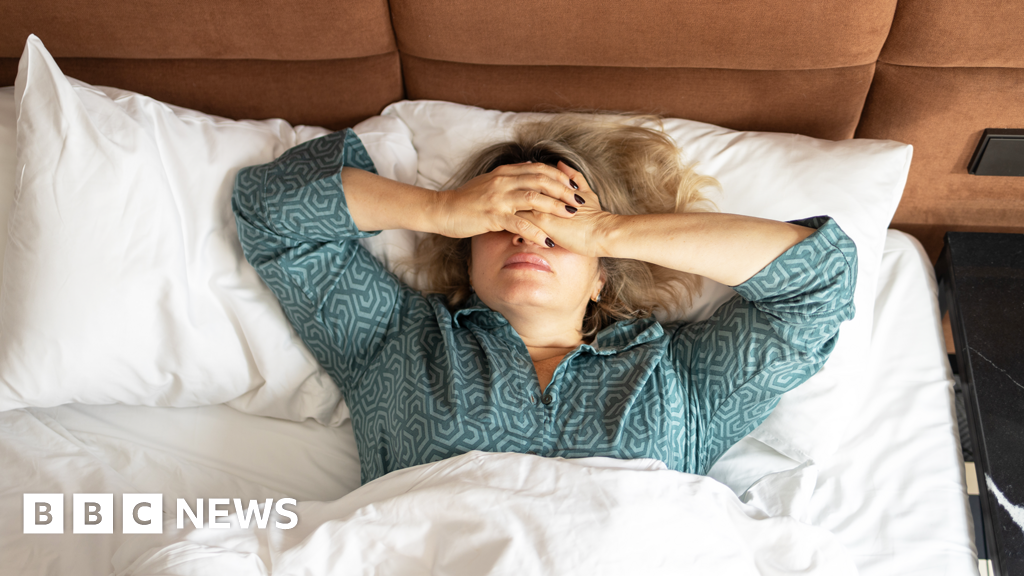
Among the most prevalent and distressing symptoms are vasomotor symptoms (VMS), commonly known as hot flushes and night sweats. These manifest as sudden, intense feelings of heat, often accompanied by sweating, palpitations, and flushing of the skin, particularly on the face, neck, and chest. Night sweats are simply hot flushes occurring during sleep. The physiological basis for these symptoms lies in the brain’s thermoregulatory centre, which becomes hypersensitive to even minor temperature fluctuations due to oestrogen withdrawal. This leads to an exaggerated response, causing the body to attempt to cool itself rapidly.
The impact of severe VMS extends far beyond mere discomfort. They can profoundly disrupt sleep patterns, leading to chronic fatigue, irritability, and difficulty concentrating. This, in turn, can impair cognitive function, reduce productivity at work, and strain personal relationships. The cumulative effect can significantly diminish a woman’s overall quality of life and psychological well-being. For many, the unpredictable nature and public manifestation of hot flushes can also lead to anxiety, embarrassment, and a reluctance to engage in social activities, further isolating them.
Historically, HRT has been the cornerstone of menopause symptom management, offering effective relief by replenishing oestrogen levels. HRT is available in various forms, including tablets, patches, gels, and sprays, and can be tailored to individual needs. Beyond symptom relief, HRT also provides significant benefits for bone health, reducing the risk of osteoporosis, and may offer cardiovascular protection when initiated around the time of menopause. Given its comprehensive benefits and diverse options, HRT remains the first-line treatment option for the majority of women experiencing menopausal symptoms.
However, HRT is not suitable for everyone. Certain medical conditions contraindicate its use, or increase the associated risks. These include a history of certain cancers, particularly breast cancer or other oestrogen-dependent cancers, unexplained vaginal bleeding, severe liver disease, or a history of blood clots such as deep vein thrombosis (DVT) or pulmonary embolism. For women with specific types of diabetes or heart disease, HRT may also not be the most appropriate choice. Furthermore, some women may choose not to take HRT due to personal preferences, concerns about potential side effects, or a desire for non-hormonal approaches. Until now, the non-hormonal options available for severe VMS have been limited, often relying on off-label use of antidepressants or gabapentin, which come with their own side effect profiles and may not be universally effective.
This is where Veoza emerges as a crucial new alternative. Fezolinetant, the active ingredient in Veoza, is a neurokinin-3 (NK3) receptor antagonist. It targets a specific neural pathway in the brain involving neurokinin B (NKB), a neuropeptide that plays a key role in regulating the brain’s temperature control centre, the thermoregulatory zone, within the hypothalamus. In menopausal women, the absence of oestrogen leads to an overactivity of KNDy (Kisspeptin, Neurokinin B, Dynorphin) neurons, which release NKB. This overactivity contributes to the dysregulation of body temperature, triggering hot flushes and night sweats. By blocking the NK3 receptors, fezolinetant effectively dampens this overactive signalling, helping to restore normal thermoregulation and significantly reduce the frequency and severity of VMS.
The decision by the National Institute for Health and Care Excellence (NICE) to recommend Veoza for NHS use in England is based on robust clinical trial evidence demonstrating its efficacy and cost-effectiveness. NICE, an independent body that provides national guidance and advice to improve health and social care, plays a critical role in evaluating the clinical and economic value of new treatments. Helen Knight, director of medicines evaluation at NICE, highlighted the importance of this decision: "For those who are unable to take HRT for varying reasons, options have historically been limited, and we have heard clearly from patients how difficult that can be. The evidence shows fezolinetant can meaningfully reduce symptoms, and was found to be cost effective, offering value for the taxpayer. This decision will give much-needed relief to those for whom HRT is unsuitable." This endorsement signifies that Veoza meets stringent criteria for both clinical effectiveness and economic viability, ensuring that public funds are used to provide treatments that deliver tangible benefits to patients.
It is important to note the specific patient populations for whom Veoza is currently recommended and those for whom it is not. The drug can be used in cases where HRT is contraindicated, such as a history of deep vein thrombosis, pulmonary embolism, or certain heart conditions and diabetes. However, NICE has specified that Veoza is not recommended for women with current breast cancer, other oestrogen-dependent cancers, or liver disease. This exclusion is primarily due to the lack of clinical trial data in these specific patient groups, meaning the risks and benefits have not yet been established. For women with a past history of breast cancer who have completed their treatment, the suitability of Veoza would depend on an individualised assessment by their healthcare provider, taking into account their specific medical history and current health status. This highlights the paramount importance of consulting with a doctor to determine the most appropriate and safest treatment pathway.
The availability of Veoza on the NHS in England marks a significant step towards a more inclusive and comprehensive approach to menopause care. While Wales and Northern Ireland often adopt NICE guidance, Scotland operates under the Scottish Medicines Consortium (SMC), which makes its own recommendations for new drugs. The SMC has, to date, not recommended the use of fezolinetant on NHS Scotland, creating a disparity in access to this treatment across the UK. This divergence underscores the complexities of healthcare policy and drug approval processes within a devolved system.
Dr. Sue Mann, national clinical director in women’s health for NHS England, warmly welcomed the news, stating that menopausal symptoms, including hot flushes and night sweats, "can affect every part of a woman’s life." She emphasised the profound impact this new option will have, particularly for women who are unable or unwilling to take HRT. Dr. Mann anticipates that Veoza could empower hundreds of thousands of women to better manage their symptoms, thereby regaining a sense of control over their health and enhancing their overall quality of life.
The broader implications of this development extend beyond immediate symptom relief. It represents a shift towards greater recognition and validation of the diverse experiences of women during menopause. For too long, women whose bodies could not tolerate HRT were left with limited effective solutions, often enduring severe symptoms with little medical recourse. The introduction of Veoza fills a critical gap in the therapeutic landscape, offering a targeted, evidence-based treatment that addresses the specific neurobiological mechanisms underlying VMS. This innovation contributes to a more personalised medicine approach, acknowledging that one size does not fit all in healthcare.
Furthermore, the availability of new, effective non-hormonal options can encourage more women to seek medical advice for their menopausal symptoms, knowing that a broader range of treatments is now available. This could help to reduce the stigma associated with menopause and promote open discussions about its impact on women’s health and well-being. As research continues to advance, it is hoped that further innovations will emerge, offering even more tailored and effective solutions for the multifaceted challenges of menopause, ultimately improving the lives of millions of women worldwide.