
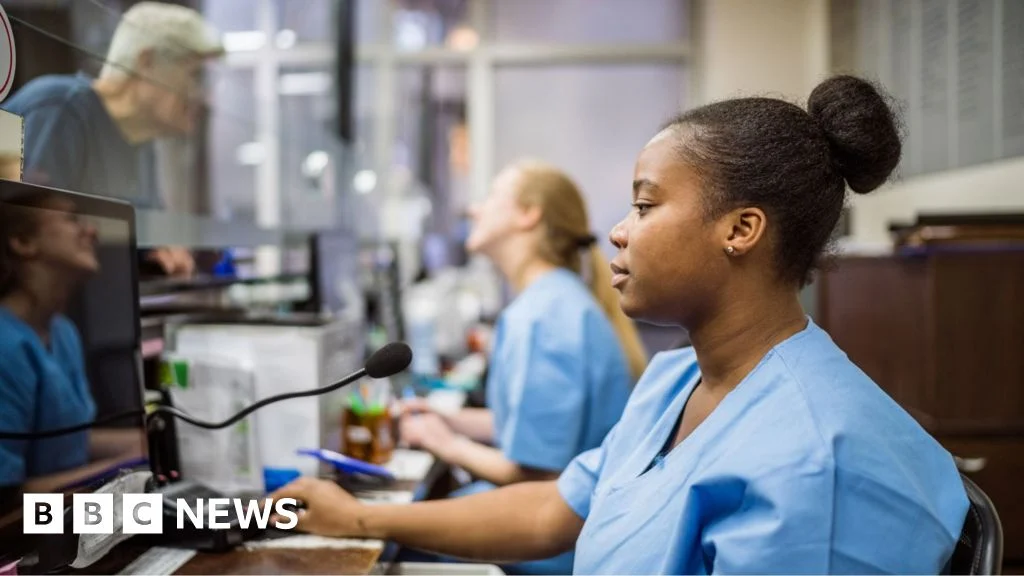
"While Wales celebrates an unprecedented eighth consecutive month of falling NHS waiting lists, critical pressures persist in diagnostic services and cancer treatment targets, highlighting the complex battle for healthcare recovery."
This significant reduction in overall patient pathways, attributed to a substantial government investment, offers a glimmer of hope in the post-pandemic healthcare landscape. However, the latest figures reveal a nuanced reality where progress in one area is offset by escalating challenges in others, particularly concerning the timely diagnosis and treatment of serious conditions like cancer, demanding a closer examination of the ongoing efforts to restore and strengthen the nation’s health services.
Wales’ National Health Service has marked a significant milestone, achieving a record eighth consecutive month of falling waiting lists, according to the latest figures released for January. This consistent downward trend signals a substantial effort within the healthcare system to address the persistent backlog that accumulated during and after the global pandemic. The total number of patient pathways – the comprehensive journey from initial referral to completed treatment – stood at 713,048 in January, representing a notable decrease of nearly 28,000 from the preceding month. This positive trajectory is largely attributed by the Welsh government to a targeted £120 million investment specifically designed to accelerate patient care and reduce waiting times across the country.
The reduction in overall waiting lists is a welcome development for patients and healthcare providers alike, reflecting a concerted push to enhance capacity and streamline processes. The Welsh government has highlighted several key initiatives funded by this investment, including the delivery of an additional 187,000 outpatient appointments and 37,000 cataract operations to date. These efforts signify a strategic focus on high-volume procedures and consultations that often contribute significantly to waiting lists, aiming to clear backlogs and improve patient flow.
Health Secretary Jeremy Miles lauded these achievements, stating, "This set of record-breaking figures show just how hard the NHS is working. Health boards are delivering more outpatient appointments, especially in the evenings and at weekends, and more operations, including cataract surgery – new ways of working to make sure people are seen and treated faster. This is real, tangible progress for people in Wales." His comments underscore a commitment to innovative approaches, including extending service hours, to maximize the impact of the additional funding and workforce dedication.
Despite this encouraging overall reduction, a deeper dive into the data reveals a more complex picture with persistent and even escalating challenges in specific critical areas. While the total number of patients waiting has decreased, the waiting times for both diagnostic procedures and therapeutic interventions have paradoxically risen. These specific waiting times have reached levels not seen for a considerable period, indicating that while more patients are being removed from the overall list, those awaiting crucial diagnostic tests or follow-up therapies are experiencing longer delays. This often points to bottlenecks within specialized departments, workforce shortages in specific roles like radiologists or physiotherapists, or an increased demand for complex investigations. The challenge lies in not just reducing the raw number of patients, but ensuring that those awaiting critical stages of their care are processed efficiently.
A particularly concerning area is cancer care, where performance against the vital 62-day target has seen a significant setback. This target mandates that 75% of patients with suspected cancer should begin treatment within 62 days of referral. In January, performance dropped to 57%, a decrease of 3.7 percentage points from the previous month, moving further away from the established goal. This decline is alarming, as timely diagnosis and treatment are paramount for improving cancer patient outcomes and reducing anxiety. Delays in this pathway can have severe implications for prognosis and quality of life.
It is important to note, however, that the same month saw a rise in the number of patients referred with suspected cancer, as well as an increase in those subsequently informed they did not have cancer. These figures provide a crucial insight into the system’s ability to see and assess a higher volume of individuals for the first time. While increased referrals naturally place more pressure on diagnostic and treatment pathways, they also suggest that more people are coming forward for checks, potentially leading to earlier detection in some cases. The challenge is to scale up capacity to meet this increased demand without compromising the speed of care for confirmed cancer patients. The delicate balance involves encouraging early presentation while ensuring the system can process these referrals efficiently and within target times.
The ongoing battle against waiting lists is not unique to Wales but reflects a broader pattern seen across healthcare systems globally, exacerbated by the COVID-19 pandemic. The disruption to routine services, redeployment of staff, and increased focus on emergency care led to an unprecedented accumulation of non-urgent, but often essential, procedures and appointments. Even as the immediate crisis recedes, the ripple effects continue to strain resources and workforce capacity. Underlying systemic issues, such as an aging population with increasing complex health needs, workforce recruitment and retention challenges, and the limitations of existing infrastructure, further complicate the picture.
Against this backdrop, the political discourse surrounding NHS performance remains sharply divided. Opposition parties in Wales have been quick to scrutinize the latest figures, highlighting areas where progress remains elusive or has regressed.
Mabon ap Gwynfor, Plaid Cymru’s health and social care spokesman, acknowledged the overall waiting list but underscored the persistent challenge of long-term waits. He pointed out that more than half a million people in Wales remain on an NHS waiting list, with approximately 5,000 still enduring waits exceeding two years, despite previous governmental pledges to eliminate such protracted delays entirely. "This, alongside the fact that only 57% of cancer patients begin treatment within two months, reflects Labour’s failing record when it comes to the NHS," he asserted, linking these specific metrics to broader governmental accountability.
Reform UK’s James Evans echoed these sentiments, describing the latest figures as "appalling." He attributed the ongoing issues to "27 years of Plaid and Labour failure," a broad critique aimed at the long-standing political leadership in Wales. Evans specifically highlighted the lack of momentum in clearing the longest treatment waits and noted that the waiting list for diagnosis has reached its highest point in over two years, reinforcing the concern that while the total number might be falling, those in most urgent need or early stages of their pathway are still facing significant hurdles.
Conservative health spokesman Peter Fox joined the chorus of criticism, declaring that it was "clear" the NHS in Wales was "broken" under the current Plaid-backed Labour governments. His focus was particularly on cancer care, stating, "Cancer waiting times are worsening, with fewer patients starting treatment on time and no sign of sustained improvement. Labour and Plaid are failing those in need of urgent and life-saving care." These statements collectively paint a picture of an opposition deeply concerned about the pace and efficacy of healthcare reforms, particularly for critical and time-sensitive conditions.
Addressing these deep-seated issues requires a multi-faceted approach extending beyond mere financial investment. Long-term strategies must encompass robust workforce planning, including recruitment, training, and retention initiatives for all healthcare professionals, from consultants to allied health workers. Leveraging technology, such as advanced digital health platforms and artificial intelligence for diagnostics, can significantly enhance efficiency. Furthermore, a renewed emphasis on preventative care and community-based health services can help manage demand on acute hospital settings. Integrated care models, which foster seamless collaboration between primary care, secondary care, and social services, are also crucial for optimizing patient journeys and reducing fragmentation of care.
While the record drop in overall waiting lists in Wales is a positive indicator of dedicated effort and strategic investment, the simultaneous rise in diagnostic and therapy waiting times, coupled with a decline in critical cancer treatment targets, underscores the persistent and complex challenges facing the NHS. The journey to a fully recovered and resilient healthcare system is ongoing, demanding sustained commitment, innovative solutions, and a collaborative approach from all stakeholders to ensure that all patients in Wales receive timely and effective care when they need it most.