
"Community pharmacists across Wales are facing unprecedented financial strain, with owners accumulating significant personal debt and questioning their ability to keep doors open. This crisis threatens the very foundation of local healthcare access, demanding urgent and comprehensive governmental intervention."
This statement encapsulates the dire situation confronting community pharmacies throughout Wales, where mounting operational costs and a perceived stagnation in government funding are pushing vital healthcare providers to the precipice of financial collapse. From pharmacists like Tunde Olawoye grappling with six-figure debts to widespread reports of selling essential medicines at a loss, the sector warns that without immediate and substantial reform, the integrity and accessibility of frontline health services are severely jeopardised. The National Pharmacy Association’s alarming statistics reveal a profession increasingly reliant on personal sacrifice to bridge a critical funding gap, raising urgent questions about the sustainability of primary care provision in the nation.
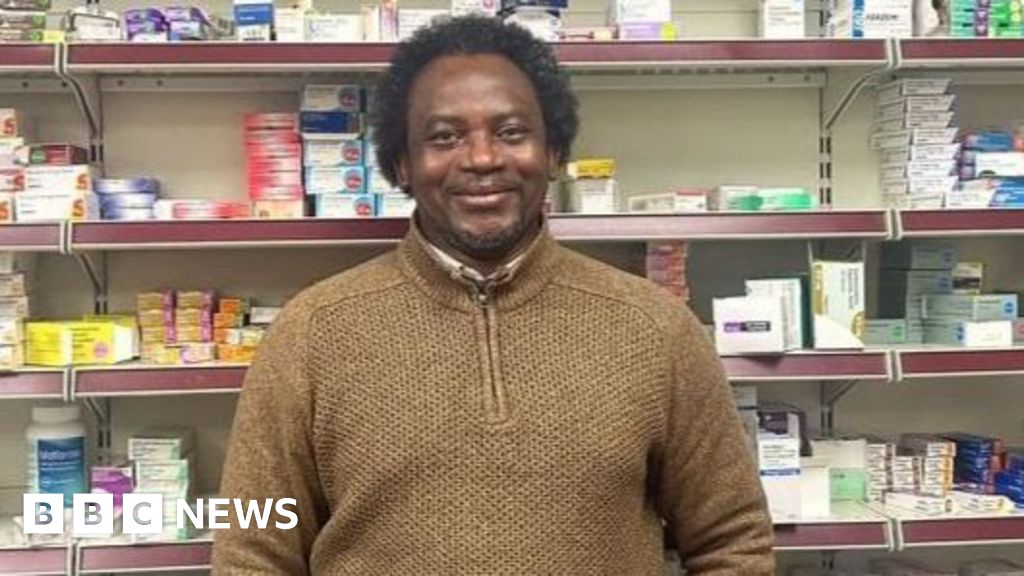
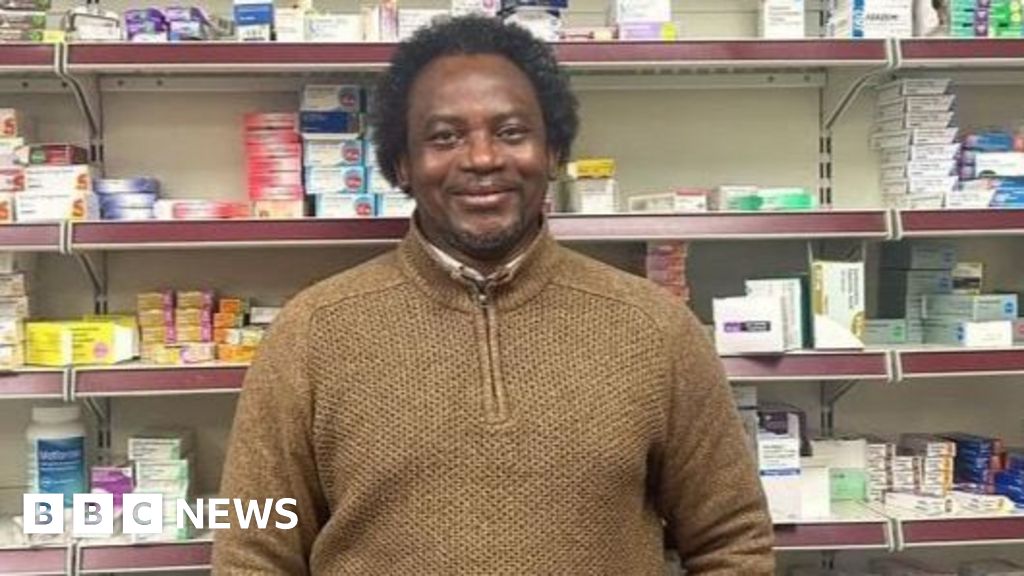
Tunde Olawoye, a dedicated pharmacist who has served the community of New Quay, Ceredigion, since 2020, epitomises the acute financial distress currently engulfing community pharmacies across Wales. His candid admission of accumulating a staggering £145,000 in debt to sustain his business underscores a pervasive crisis, where the very ability to meet payroll each month hangs precariously in the balance. Olawoye’s predicament is far from isolated; it mirrors a widespread struggle reported by pharmacists who lament that their operational costs have "gone through the roof," forcing them into the unsustainable practice of dispensing vital medications, such as aspirin, at a considerable financial loss. This severe economic pressure has driven a concerning trend, with the National Pharmacy Association (NPA) revealing that a staggering 60% of pharmacy owners in Wales have resorted to remortgaging their homes or drawing heavily from personal savings merely to keep their essential services operational over the past year.
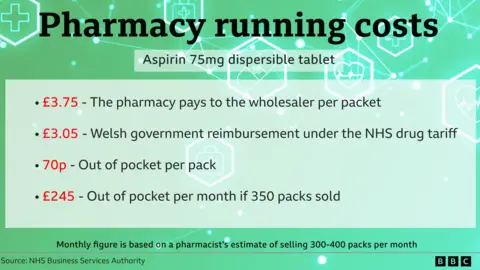
The financial mechanics behind this crisis are stark. Pharmacists are contractually bound to provide medications under a reimbursement system overseen by the Welsh government. While this system aims to cover dispensing fees, professional services, and operational expenses, pharmacists contend that the agreed-upon amount has failed to keep pace with soaring real-world costs. A frequently cited example involves 75mg dispersible aspirin tablets: a pharmacist might pay £3.75 to the wholesaler but is only reimbursed £3.05 by the Welsh government under the NHS drug tariff. This seemingly small 70p deficit per pack quickly escalates into a substantial monthly loss, potentially hundreds of pounds for pharmacies dispensing hundreds of packs. As Newport-based pharmacist Geoff Thomas, a veteran of 40 years in the industry, grimly warns, the sector is "heading off a cliff" unless fundamental changes are implemented. Olawoye, at 54, echoes this sentiment, declaring the situation "not sustainable at all" and urgently calling for greater investment, recognising pharmacies as the "frontline of health." His personal journey through debt, including establishing repayment arrangements with creditors, highlights the severe personal toll, leading him to consider selling his business, only to find the potential sale proceeds insufficient to cover existing bank loans. His resolve now is to fight to make it profitable again, but the path is arduous.
The core of the Welsh pharmacy crisis lies in a funding model that many owners assert has not seen a real-terms increase in a decade, despite a relentless surge in operating expenses. This disconnect is exacerbated by several factors. Inflation has driven up the cost of everything from utilities to supplies. Crucially, the cost of procuring medicines from wholesalers has become increasingly volatile and often outstrips the fixed reimbursement rates set by the Welsh government. Beyond drug costs, pharmacies face escalating staff wages due to increases in the national living wage and national insurance contributions. Energy costs have become a significant burden, and even fuel costs for essential delivery services have climbed. Gwawr Jones, a pharmacist from Barry, Vale of Glamorgan, vividly describes her costs as having "gone through the roof" while funding remains static. She points out that while drug concessions sometimes offer a retrospective increase in reimbursement, this often comes too late, after hundreds of packs have already been dispensed at a loss, leaving pharmacists in a constant state of financial uncertainty. She characterises running her Rhoose pharmacy in this "worst financial climate" of her 26-year career as "impossible," highlighting an estimated £40 million shortfall in contract payments relative to pharmacy inflation.

Adding to the financial pressure is the evolving role of community pharmacies. Increasingly, general practitioners and other healthcare providers are directing patients to pharmacies for minor ailments, advice, and even chronic disease management, aiming to alleviate pressure on an overburdened health service. While pharmacists are eager to provide these expanded services, and indeed are highly capable, the current funding structure often fails to adequately compensate them for the increased workload, additional staff requirements, and extended consultation times. Geoff Thomas notes this paradox: "It is a great initiative, but it means we’re busier all the time, which means we’re more staff intensive, and we’re not able to make the money." This dedication to patient care, despite financial detriment, underscores the professional commitment of pharmacists but highlights a systemic flaw where their expanded frontline role is not adequately resourced. Thomas, who took out a £70,000 short-term loan last September just to "get us through the month," reflects on the alarming reality that he now owes the bank more than double what he originally paid for his pharmacy two decades ago, underscoring the severe capital erosion faced by long-standing businesses.
The challenges faced by Welsh pharmacies are not isolated, echoing similar struggles across the United Kingdom. Analysis last year revealed that England’s community pharmacy network had shrunk to its smallest size in two decades due to widespread closures. Similarly, services in Northern Ireland were described as being "at breaking point" last year, also due to persistent funding difficulties. This broader pattern suggests a systemic issue within the UK’s approach to community pharmacy funding, where the critical role of these accessible healthcare hubs is perhaps undervalued or inadequately supported by national health policies. The NPA’s latest survey of its Welsh members paints a grim picture for 2025, projecting that four in ten pharmacies in Wales will be unprofitable, leaving them "clinging on by their fingertips."
David Thomas, a Welsh board member for the NPA, has issued a stark warning, stating that these findings "should sound major alarm bells to the Welsh government." He argues that it is "simply unsustainable and unfair to expect individual pharmacy owners to remortgage their house and dip into their pension pot to subsidise the cost of prescriptions and to keep their doors open for their patient." This sentiment underscores a growing frustration within the profession, where personal financial stability is being sacrificed to maintain public health services.
In response, the Welsh government acknowledges the "essential part of primary care" played by community pharmacies. A spokesperson affirmed that they have "increased funding for community pharmacies by more than £40m since reforms began in 2017." This includes "above inflation increases in recurrent funding in the last two years," a "stability payment of £6m to meet specific cost pressures," and over "£1m in grant funding" for premises improvements. The government maintains that reimbursement rates are set in consultation with sector representatives, using data on supplier costs, and that pharmacies "typically receive higher NHS reimbursement than they pay suppliers, allowing them to retain a profit margin." They contend that while "some medicines may be reimbursed below cost on occasions, this is offset by the profits pharmacies make on most of the medicines they dispense." This perspective, however, directly clashes with the lived experiences and financial data presented by pharmacists like Olawoye and Jones, who argue that the occasional profits are insufficient to cover the aggregate losses and rising operational overheads.
The deepening crisis has also drawn political attention. The Welsh Conservatives have labelled the NPA’s findings as "deeply concerning," stressing the need for "urgent support" to safeguard these vital services. Plaid Cymru has also weighed in, highlighting the "immense pressure" pharmacies face from a "double whammy" of rising costs. They specifically attributed this to the challenges of "doing business under two Labour governments," referring to both the UK and Welsh governments, alongside the increasing cost of drugs post-Brexit, a factor that has undoubtedly complicated procurement and supply chain economics for the sector.
The current trajectory for community pharmacies in Wales paints a precarious picture. Without a fundamental reassessment of the funding model, one that genuinely reflects the escalating costs of operation and the expanding scope of services provided, the sector faces an existential threat. The continued reliance on pharmacists’ personal financial sacrifices is neither sustainable nor equitable. The potential consequences of widespread pharmacy closures or reduced services are severe: diminished access to essential healthcare, increased burden on already stretched GP surgeries and emergency departments, and a significant deterioration in the fabric of local community health provision. For a sector widely acknowledged as the "frontline of health," the call for a robust, fair, and forward-looking funding strategy is not merely an economic plea, but a critical imperative for the health and well-being of the entire Welsh population.