
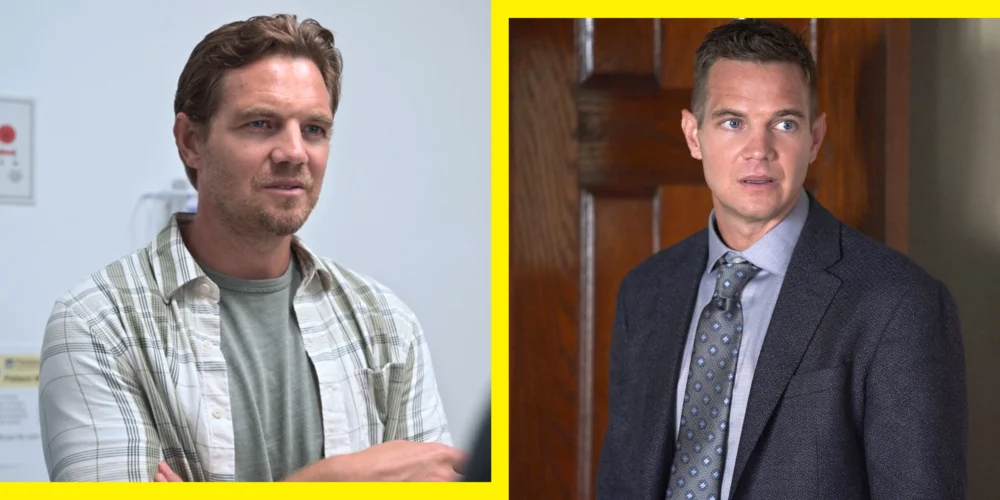
"By prioritizing the quiet, contemplative realities of long-term illness alongside high-octane trauma, The Pitt transcends the traditional tropes of the medical genre to offer a profound meditation on human empathy and the fragility of life."
In an era where television audiences are increasingly saturated with procedural content, HBO Max’s The Pitt has distinguished itself by eschewing the purely sensational in favor of a more nuanced, dual-layered narrative approach. While the series maintains the frantic energy of a high-volume emergency room, its true critical weight lies in its willingness to decelerate, allowing the camera and the audience to sit with the uncomfortable, often silent realities of patient care. This balance is most notably achieved through its guest-driven subplots, which serve as the emotional anchor for the show’s broader exploration of the modern healthcare system.
The medical drama has been a staple of the television landscape for decades, evolving from the paternalistic certainties of Marcus Welby, M.D. to the kinetic, adrenaline-fueled chaos of ER, and eventually the soap-operatic longevity of Grey’s Anatomy. However, The Pitt represents a new iteration of this evolution—one that marries high-gloss production values with a gritty, almost documentary-style focus on the emotional labor of medicine. In the fifth episode of the show’s second season, titled "11:00 A.M.," the series demonstrates this mastery by pivoting from a gruesome surgical intervention to a heartbreakingly domestic tragedy.
The episode introduces viewers to Roxie Hamler, portrayed with haunting vulnerability by Daytime Emmy-winning actress Brittany Allen. Unlike the typical "patient of the week" who arrives as a blank slate for doctors to solve, Roxie is introduced as someone already at the end of a long, exhausting journey. A hospice patient residing in her own home, Roxie is rushed to the emergency room following a seizure and a subsequent fall. This setup immediately places the audience in a state of cognitive dissonance; the emergency room is a place of intervention and life-saving measures, yet Roxie is someone who has already accepted the inevitability of her passing.

This narrative tension is explored through the interactions between Roxie, her husband Paul—played by Taylor Handley—and the attending physicians, Dr. McKay (Fiona Dourif) and Dr. Javadi (Shabana Azeez). While the doctors successfully stabilize her physical condition, the episode shifts its focus to the psychological and existential weight of her situation. The dialogue between Roxie and Paul provides a window into the grueling reality of cancer treatment and the toll of chronic pain. It is in these moments—the quiet conversations in a sterile hospital room—that The Pitt earns its reputation as one of the best shows currently on television.
The performance by Brittany Allen is a masterclass in physical acting. As a patient in constant distress, Allen conveys a sense of weariness that goes beyond simple illness; it is a spiritual fatigue that resonates with anyone who has witnessed a loved one battle a terminal diagnosis. Opposite her, Taylor Handley delivers a nuanced performance as the caretaker husband. Handley, who has built a career playing characters defined by their toughness or external conflict, here portrays a man whose strength is internal and increasingly brittle. The chemistry between the two creates a sense of shared history that makes the "unfair hand" they have been dealt feel devastatingly real.
This subplot highlights a broader theme within The Pitt: the necessity of empathy in professional medicine. In many medical procedurals, doctors are portrayed as brilliant but detached, or perhaps overly emotional in a way that feels manufactured for drama. The Pitt’s doctors, however, display an "on-point" empathy that feels earned. Dr. McKay and Dr. Javadi do not merely treat Roxie’s symptoms; they acknowledge her humanity and the validity of her pain. This portrayal of the "care" in healthcare is what makes the show particularly satisfying to watch, as it mirrors the ideal version of what we hope for in our own most vulnerable moments.
The episode does not entirely abandon the genre’s need for spectacle. In a stark contrast to the Hamler storyline, the episode features a visceral sequence where Dr. Robby is forced to perform an emergency procedure involving cutting open a patient’s leg. This juxtaposition is intentional. By placing a high-stakes surgical "save" alongside the slow, inevitable decline of a hospice patient, the showrunners emphasize the full spectrum of the medical experience. One storyline showcases the triumph of modern technology and quick thinking, while the other acknowledges the limitations of medicine and the importance of dignity in the face of the inevitable.
The production value of The Pitt further enhances this storytelling. The cinematography in "11:00 A.M." uses lighting and framing to distinguish between the chaotic energy of the ER floor and the insulated, almost sacred space of the patient rooms. This visual language helps the audience transition between the "exciting" elements of the show and the "meditative" subplots that define its soul. It is this willingness to "slow things down" that has allowed the series to remain in the conversation regarding the highest tier of contemporary television.

The success of these guest-star-heavy subplots relies heavily on the caliber of the actors involved. The casting of Brittany Allen and Taylor Handley is a testament to the show’s ability to attract top-tier talent for short-term arcs. Allen, known for her acclaimed work on All My Children, brings a seasoned dramatic sensibility to the role. Handley, meanwhile, continues to prove his versatility. Most modern audiences recognize him as Kyle McLusky on the Paramount+ hit Mayor of Kingstown, where he plays the brother of Jeremy Renner’s character. In that series, Handley’s role is defined by law enforcement, corruption, and the gritty world of the prison-industrial complex. His transition to the role of Paul Hamler in The Pitt showcases a vastly different side of his range—one characterized by tenderness and quiet desperation rather than the kinetic intensity of the "Taylor Sheridan" universe.
Handley’s career trajectory is emblematic of the current "Golden Age" of character actors on television. From his early debut in the Michael Keaton-led Jack Frost to his recurring role on CBS’s Vegas and guest spots on Netflix’s Griselda, Handley has consistently sought out roles that challenge his persona. His history with legendary dramas like Southland and his six-episode stint on the iconic teen drama The OC prepared him for the ensemble-heavy environment of a show like The Pitt. Furthermore, his experience in high-concept films like Bird Box and genre staples like Texas Chainsaw Massacre: The Beginning has given him a comfort level with intense, emotionally charged material that is put to excellent use here.
Ultimately, The Pitt succeeds because it understands that while the "emergencies" draw the audience in, the "humanity" is what keeps them there. The show acknowledges that for every dramatic, life-saving surgery, there are dozens of quiet moments of grief, acceptance, and caretaking. By elevating the stories of patients like Roxie Hamler, the series pays tribute to the relatability of the medical experience. Most viewers may never see a doctor cut a leg open in the middle of a hallway, but almost everyone will, at some point, sit by a hospital bed and grapple with the pain of a loved one.
As The Pitt continues its second season on HBO Max, it reinforces the idea that the best television is often that which mirrors our own lives, even in its most difficult moments. Through masterful writing, uniform excellence in acting, and a commitment to showing the "quiet" side of medicine, the series has moved beyond being a mere drama to become a vital piece of cultural storytelling. It reminds us that in the heart of the chaos, the most important thing a doctor—or a human—can offer is the willingness to slow down and listen.
