
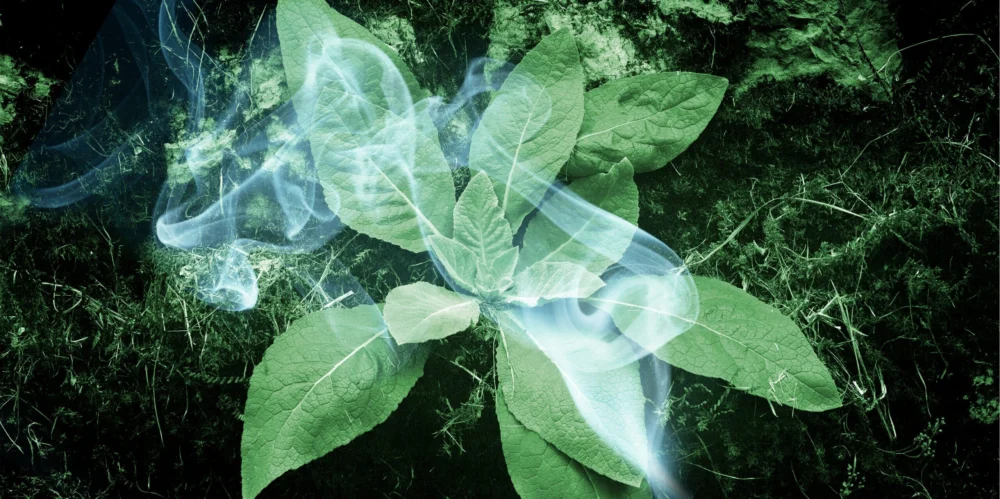
"While mullein leaf has a long-standing history as a traditional remedy for throat irritation, the contemporary narrative that smoking it can ‘cleanse’ or ‘repair’ lung tissue is a dangerous contradiction of respiratory science."
The surge of interest in mullein leaf reflects a broader cultural intersection where ancient herbalism meets modern social media wellness trends. As influencers and online communities promote mullein—often in smokable forms—as a panacea for respiratory damage caused by cigarettes and vaping, medical experts are raising alarms about the distinction between soothing a cough and reversing chronic pulmonary damage. This article explores the history of Verbascum thapsus, the lack of clinical evidence supporting its use as a "lung cleanse," and the inherent risks of introducing any combustible material into the respiratory system.
The Botanical and Historical Origins of Mullein
Mullein, scientifically known as Verbascum thapsus, is a biennial plant characterized by its towering stalks and velvety, wool-like leaves. Though it is often viewed as a common roadside weed in North America today, its lineage as a medicinal herb spans millennia. The Greek physician Pedanius Dioscorides, often cited as the father of pharmacology, documented the plant’s uses in his seminal first-century work, De materia medica. In the ancient world, mullein was primarily utilized for its emollient properties, which were believed to soothe the skin and digestive tract.
By the 18th century, European settlers introduced mullein to the Americas. While some used the plant’s seeds for less savory purposes—such as releasing toxins into water to stun fish for easier harvesting—many cultures adopted the leaves for respiratory ailments. It earned the colloquial name "lungwort" (not to be confused with the genus Pulmonaria) because of its widespread use in treating coughs, asthma, and tuberculosis. During the 19th century, it was common for people to smoke the dried leaves to alleviate the symptoms of "consumption" or chronic bronchitis. However, these historical practices were born out of a lack of modern pharmaceutical options rather than a clinical understanding of pulmonary health.
The Social Media Resurgence: A "Harm-Reduction" Illusion
In the post-2020 landscape, Google Trends data indicates a significant spike in searches for mullein, coinciding with a global focus on lung health during the COVID-19 pandemic and a subsequent rise in tobacco and cannabis consumption. This has created a fertile ground for the "lung cleanse" narrative. On platforms like TikTok, Instagram, and Reddit, mullein is frequently marketed as a "biohack" for smokers.
Dr. Benjamin Caplan, a board-certified family medicine physician and author of The Doctor-Approved Cannabis Handbook, notes that the appeal of mullein lies in its simplicity. "A ‘lung cleanse’ is a simple, appealing narrative that travels well on social media," Dr. Caplan explains. For those struggling with the guilt or physical toll of smoking, the idea of an herbal "reset button" is highly seductive. This has led to a proliferation of mullein-based products, including teas, tinctures, gummies, and—most controversially—pre-rolled herbal smoking blends and "diffuser pens."
The anecdotal evidence found in social media comment sections is often overwhelmingly positive. Users describe a sensation of "house cleaning" in their lungs, reporting that they cough up significant amounts of mucus after using mullein. However, medical professionals warn that this sensation is often misinterpreted.
The Science of Expectorants and Mucous Membranes
From a pharmacological perspective, mullein does contain bioactive compounds, including polyphenols, saponins, and iridoids. These compounds possess antioxidant and anti-inflammatory properties that may explain why the herb has persisted in traditional medicine. The European Medicines Agency (EMA) recognizes mullein as a traditional herbal medicinal product for the relief of symptoms of sore throat associated with dry cough and common cold.
Crucially, however, the EMA’s recognition is based on "long-standing use" rather than rigorous clinical trials. There is a profound lack of peer-reviewed human studies that prove mullein can repair alveolar damage or reverse the cellular changes associated with long-term smoking.
Dr. Caplan clarifies that mullein’s primary benefit is as a mild expectorant. An expectorant works by thinning the mucus in the respiratory tract, making it easier to expel through coughing. "At best, it coats and soothes irritated mucous membranes," says Dr. Caplan. While coughing up mucus may feel like "cleansing," it is simply the body’s mechanical response to an irritant or the thinning of existing secretions. It does not equate to the removal of tar, the repair of cilia (the hair-like structures that sweep debris out of the lungs), or the restoration of lung capacity.

The Paradox of Smoking for Health
The most significant concern among health experts is the promotion of smoking mullein as a health intervention. There is a fundamental biological contradiction in inhaling smoke to improve lung health. When any organic material—whether it is tobacco, cannabis, or mullein—is burned, it undergoes combustion. This process creates carbon monoxide, particulate matter, and various carcinogens and irritants.
The lungs are delicate organs designed for the exchange of gases, not the filtration of smoke. Inhaling smoke of any kind triggers an inflammatory response. For a smoker whose lungs are already compromised, adding herbal smoke can exacerbate bronchitis-type symptoms. While mullein may lack the nicotine of tobacco or the THC of cannabis, the physical act of inhalation remains harmful.
Furthermore, the "soothing" sensation provided by mullein’s mucilaginous properties can create a false sense of security. If a smoker feels less throat irritation because mullein has coated their membranes, they may be less inclined to quit smoking altogether, erroneously believing they have found a way to "offset" the damage. Dr. Caplan emphasizes that while the long-term risks of cigarettes are more severe and well-established, "inhaling any type of smoke can increase your risk of health problems."
The Regulatory Gap and Influencer Marketing
The rise of mullein also highlights a significant gap in consumer protection. In the United States, the Food and Drug Administration (FDA) does not approve dietary supplements for safety or effectiveness before they are marketed. This allows companies to sell mullein products with vague but suggestive claims about "respiratory support" and "lung health" without having to provide clinical proof.
This regulatory environment, combined with the "influencer economy," has led to a "free-for-all" marketplace. Some licensed professionals, including pharmacists and nurses, have engaged in paid partnerships on platforms like TikTok to promote mullein products. When a person in a white coat suggests that a supplement is "the best thing for your lungs," consumers often take the advice at face value, unaware of the lack of scientific backing or the financial incentives behind the endorsement.
Online apothecaries and "wellness" brands often package mullein in aesthetic, "natural" branding that distances the product from the clinical reality of respiratory health. By framing mullein as an "ancient secret" or a "natural alternative," these brands bypass the skepticism that consumers might otherwise have toward a new, unproven drug.
True Lung Recovery: What Actually Works
For those seeking to improve their lung health, experts agree that there are no shortcuts. The human body has a remarkable capacity for self-repair, but this process only begins when the primary source of irritation is removed.
When a person stops smoking or vaping, the lungs begin to clear themselves almost immediately. Within weeks, the cilia begin to regain normal function, and the risk of infection decreases. Over years, the risk of lung cancer and chronic obstructive pulmonary disease (COPD) drops significantly. This recovery is driven by the body’s natural biological processes, not by the introduction of external "cleansing" herbs.
While mullein tea or tinctures may provide minor symptomatic relief for a temporary cough or a scratchy throat—similar to how a cough drop or honey might work—they should not be viewed as a medical treatment for chronic conditions.
Conclusion: Blowing Smoke
The popularity of mullein leaf is a testament to the power of narrative over evidence. In a world where people are increasingly desperate for "natural" solutions to complex health problems, mullein offers a poetic but scientifically hollow promise.
The bottom line is that mullein leaf may offer mild soothing effects for the upper respiratory tract when consumed as a tea or tincture, but it is not a cure for the damage caused by smoking. Smoking the herb is particularly counterproductive, as it introduces the very irritants that the "cleanse" is intended to combat. As Dr. Caplan suggests, when wellness claims online seem too good to be true—especially those that involve "smoking for health"—it is safe to assume that someone is simply blowing smoke. Real lung health is built on cessation and clean air, not the latest herbal trend on a social media feed.
