
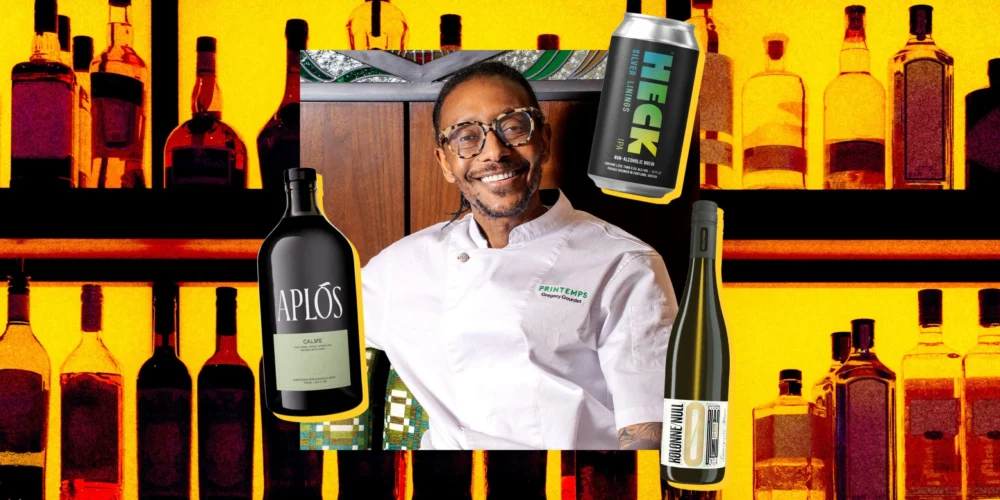
"The modern shift toward sobriety and moderation is no longer defined by what is being sacrificed, but by the quality, flavor, and intentionality found in a new generation of sophisticated non-alcoholic alternatives."
The beverage industry is currently undergoing a seismic transformation, moving away from a culture where alcohol was the default social lubricant toward one defined by "zero-proof" inclusivity. This transition is driven by a convergence of cultural, economic, and health-conscious shifts that have moved sobriety from the fringes of society into the mainstream of the global wellness movement. As consumers across all demographics—from Gen Z to octogenarians—re-evaluate their relationship with alcohol, a new market of high-quality, complex alternatives has emerged, proving that the ritual of the drink is more important than the presence of ethanol.

For those who have navigated the world without alcohol for decades, the current landscape is unrecognizable compared to the limited options of the past. Seventeen years ago, choosing not to drink often required a defensive explanation or a justification. Today, the script has flipped; it is often heavy drinking that requires an explanation. This cultural pivot is not merely a passing trend but a structural change in how society views health, productivity, and social connection. The data confirms a widespread decline in alcohol consumption, yet this is not a monolithic movement. Instead, it is a broad spectrum of behavior ranging from those in recovery to the "sober curious" and those who simply find that alcohol no longer serves their lifestyle.
At one end of this spectrum are individuals for whom alcohol was never a viable option—those who recognized early on that the substance was incompatible with their well-being. At the other end are moderate drinkers, like the older generation, who are concluding that the physical toll of alcohol outweighs its social benefits. In the middle lies a rapidly expanding demographic: people who are choosing to drink less because they prefer the clarity, sleep quality, and productivity that come with a zero-proof lifestyle. This "growing middle" has been the primary catalyst for the explosion of the non-alcoholic beverage industry, demanding products that offer the same complexity and "grown-up" flavor profiles as their alcoholic counterparts.
The normalization of abstinence has been bolstered by global movements such as Dry January and Sober October. These month-long commitments serve as a low-stakes entry point for individuals to test the waters of sobriety. Often, the temporary experiment yields such significant improvements in mood and physical health that it evolves into a permanent lifestyle change. As wellness has moved from a niche interest to a mainstream priority, the beverage industry has had to pivot quickly. The result is a sophisticated array of beers, wines, and spirits that prioritize ritual and flavor without the intoxicating side effects.

In the realm of non-alcoholic beer, the progress has been particularly remarkable. While Athletic Brewing has become a global powerhouse and a household name—largely due to their hoppy, citrus-forward Hazy IPAs that maintain a sturdy malt backbone—the independent sector is where much of the innovation is happening. Heck Brewing, an independent producer utilizing ingredients sourced from the Pacific Northwest, has set a new standard with their Silver Lining IPA. By focusing on a "sessionable" profile, they have managed to create a beer that offers balanced bitterness with intricate notes of spruce, pineapple, and citrus. This level of craftsmanship ensures that the consumer does not feel they are settling for a "lesser" version of a traditional IPA.
Even legacy brands are recognizing the need to adapt. Guinness Draught 0.0 has emerged as a gold standard for replication, surprising even the most devoted stout drinkers with its proximity to the original flavor profile. This move by a historic brewery signals a broader industry realization: the demand for non-alcoholic options is not a threat to the market, but a massive opportunity for expansion and inclusivity.
The evolution of zero-proof wine has been equally impressive, though it faced a steeper climb. Historically, non-alcoholic wines were criticized for being overly sweet or resembling unfermented grape juice. However, European producers—particularly from Germany, France, and Denmark—are leading a revolution in viticulture by focusing on acidity, structure, and dryness. German Rieslings have proven to be an ideal candidate for dealcoholization because their natural minerality and bright acidity survive the process better than many red varietals.

Kolonne Null Riesling stands out as a premier example, offering a crisp profile of apple and pear while retaining a genuine sense of terroir. Similarly, the Leitz Eins-Zwei-Zero Riesling has become a staple for those seeking a food-friendly, dry finish with notes of orange peel and rhubarb. For celebratory moments, the luxury sector has also responded. French Bloom, a premium sparkling wine produced by the Taittinger family, utilizes Chardonnay and Pinot Noir grapes from southern France to create a polished, dry, and sophisticated alternative to Champagne. These products prove that the "ceremony" of wine—the popping of a cork and the pouring of a glass—can be maintained without the presence of alcohol.
Perhaps the most complex category to mature has been non-alcoholic spirits. Early iterations often relied heavily on preservatives or thin, herbal flavors that lacked the "bite" and mouthfeel of traditional spirits. The modern approach has shifted away from mere imitation and toward the creation of entirely new flavor categories. Aplós Calme is a primary example of this "new wave" of spirits. Rather than trying to mimic gin or bourbon, it offers a layered, savory-green profile featuring yuzu, basil, shiso, and dandelion. The inclusion of hemp provides a functional element, offering a subtle grounding finish that replaces the traditional "buzz" of alcohol with a sense of calm.
This shift toward "functional" beverages is a key component of the zero-proof movement. Consumers are increasingly looking for drinks that do more than just taste good; they want beverages that enhance their mood or provide a sense of relaxation without the subsequent hangover. Wilderton’s Bittersweet Aperitivo and the offerings from Manufaktur Jörg Geiger also highlight the importance of heritage and ingredients. The latter’s use of rare heritage pears to create a structured, wine-like beverage demonstrates that the non-alcoholic space is now attracting the same level of culinary expertise as the traditional wine and spirits world.

As a chef and author, I view these developments through a culinary lens. The ability to pair a complex, structured beverage with a high-end meal is essential to the dining experience. When a restaurant offers a thoughtfully curated non-alcoholic pairing, it signals a commitment to hospitality that includes every guest, regardless of their drinking status. The rise of these sophisticated alternatives allows the social fabric of dining and celebrating to remain intact, while removing the barriers that alcohol can sometimes create.
The ultimate takeaway of the zero-proof revolution is a move toward intentionality. Whether an individual is taking a temporary break, moderating their intake for health reasons, or committing to long-term sobriety, the options available today ensure that they do not have to sacrifice flavor or social connection. We are entering an era where what is in the glass matters less than the intention behind the gathering. The beverage industry has finally caught up to the reality that ritual, flavor, and connection are human needs that exist independently of ethanol. In this new landscape, the choice not to drink is no longer an act of withdrawal, but an act of conscious, high-quality living.
