
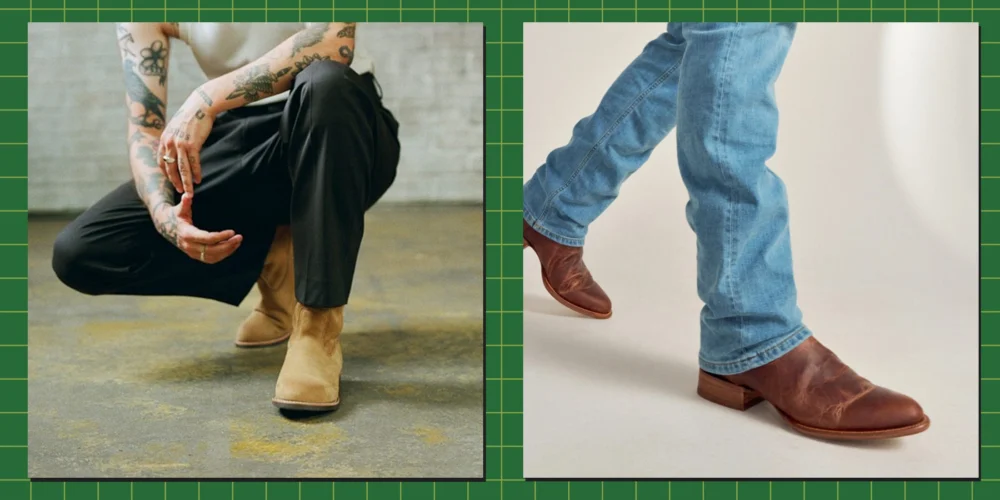
"Western wear is no longer just a regional uniform; it is a sartorial bridge between rugged tradition and contemporary style, anchored by the timeless versatility of the cowboy boot."

The Houston Livestock Show and Rodeo (HLSR) stands as a monumental cultural intersection where agricultural tradition meets modern entertainment, drawing millions of visitors to witness the pinnacle of cowboy culture. Beyond the adrenaline of the arena and the smoke of the barbecue pits, the event serves as a primary driver for the enduring Western wear trend, proving that heritage-driven fashion remains as relevant in the city as it is on the ranch.
The Grandeur of the Houston Rodeo
The Houston Livestock Show and Rodeo officially commences its three-week run today, but the festivities began in earnest this past weekend with the World Champion BBQ Contest. This massive pre-event sees more than 250 teams converge to compete in high-stakes categories including best ribs, brisket, and Dutch oven dessert. It is a sensory immersion of hickory smoke and Texas hospitality that sets the stage for the main event at NRG Stadium.

The subsequent three weeks offer a relentless schedule of rodeo action and world-class musical performances. Each night follows a storied tradition: the evening opens with the grit of bull riding, the high-speed intensity of stagecoach races, and the fan-favorite "mutton busting." In this latter event, children between the ages of four and seven attempt to ride a bolting sheep for as long as possible. While seemingly whimsical, it represents the foundational courage of the rodeo spirit.
A Legacy of Performance
The HLSR is not merely a sporting event; it is a hallowed ground for musical history. It was the site of Selena Quintanilla’s final televised performance during "Go Tejano Day" in 1995, an iconic moment that cemented her legacy in the hearts of Texans. The revolving stage has hosted legends ranging from Reba McEntire, who graced the dirt in 1997, to modern luminaries like Leon Bridges. These performances bridge the gap between the rural roots of the rodeo and the cosmopolitan energy of Houston, often resulting in "rodeo season" becoming a city-wide lifestyle rather than a simple calendar event.

The Sartorial Shift: Dressing the Part
As rodeo season takes hold, the transition to Western attire becomes a practical and aesthetic necessity. The current resurgence of Western wear in mainstream fashion—often characterized by selvedge denim, Western button-up shirts, and denim jackets—finds its most authentic expression at the rodeo. However, the cornerstone of this look is undeniably the cowboy boot. For those looking to integrate this style into their wardrobe, the options range from subtle entry-level "ropers" to high-statement exotic skins.
The Gateway: Roper Boots
For the uninitiated or those hesitant to adopt the more aggressive silhouettes of traditional Western footwear, the roper boot serves as the perfect "gateway" style. Characterized by a rounded toe, a lower heel, and a shorter shaft, the roper is designed for both utility and understated style. Unlike the taller, more decorative "walking" boots, ropers lack heavy embroidery and are easily paired with Levi’s 501s for a weekend look or chinos for a business-casual office environment.

A standout in this category is the Red Wing Heritage 8060 Pecos Boot. Priced at approximately $370, the Pecos is a masterclass in American manufacturing. Red Wing Heritage is unique in that it owns its own tannery, allowing for rigorous quality control from the initial hide selection to the final dyeing and finishing processes. The 8060 utilizes roughout leather, which is significantly more durable than traditional suede as the grain remains intact, providing a rugged exterior that hides scuffs and resists moisture. With a rubber sole for traction during wet winters and a wide opening for ease of use—even in TSA lines—the Pecos is a versatile investment.
Other notable roper options include:

- Tecovas The Earl ($325): A more refined, "dressed up" version of the roper, often featuring goat leather which provides a soft, supple feel with a distinctive grain.
- Tecovas The Dean ($295): Featuring an 8-inch shaft that sits at ankle height, this boot reads like a standard leather dress shoe when worn under trousers, making it an ideal choice for spring.
- Rocky Original Ride ($102): A robust workwear option that prioritizes function and affordability, currently available at a significant discount for those seeking a durable entry point.
The Statement: Going "All In"
For those ready to embrace the full aesthetic of the American West, the market offers "all-in" boots that feature exotic leathers, intricate stitching, and unique "toe bugs" (the decorative embroidery on the top of the foot). These boots are not just footwear; they are heirloom-quality pieces that command attention.
Exotic skins such as ostrich and lizard are prized not only for their unique textures but also for their durability and breathability. Ostrich leather, specifically "full-quill," is known for its distinct bumps and its ability to mold to the wearer’s foot over time, offering unparalleled comfort.

Top-tier selections for the bold wearer include:
- Tecovas The Wyatt ($675): Crafted from premium Pecan Ostrich, this boot represents the pinnacle of the Tecovas line, offering a luxurious texture and classic Western silhouette.
- Tony Lama Nacogdoches Lizard Boots ($360): Lizard skin provides a sleek, glossy finish and a fine-scaled texture that elevates the boot to formalwear status.
- Alvies The Comal ($359): This boot features a "snip toe," a sharper, more angular front that offers a distinct, aggressive profile.
- Lucchese Cowhide Baker ($595): Lucchese is a legendary name in Western footwear, known for handmade construction and superior fit. The Baker is an heirloom-level boot that can last decades with proper care.
- Ariat Herdsman ($190): A classic square-toed boot that offers a wider footbed, making it a favorite for those who prioritize all-day comfort without sacrificing the traditional look.
From Houston to the World: A Personal Connection
The transition from a resident of Houston to a resident of a metropolis like New York City often changes one’s perspective on Western heritage. In Texas, cowboy boots are ubiquitous, sometimes perceived as a redundant "sartorial airhorn" of regional identity. However, when removed from that environment, the boots become a meaningful connection to home.

They evoke memories of the carnival lights at the Houston Rodeo, the Ferris wheel, and local legends like "Swiftie the pig." More importantly, they carry generational weight. For many, the image of a grandfather in full-quill ostrich boots at a family celebration, standing alongside mariachis in equally intricate footwear, is a foundational memory. Embracing the cowboy boot is an act of reclaiming that history.
Conclusion: A Timeless Investment
The Houston Livestock Show and Rodeo is more than an event; it is a testament to the enduring power of Western culture. Whether you are navigating the mud of the livestock pens or the concrete of a coastal city, dressing the part is a nod to a legacy of rugged independence and craftsmanship. Cowboy boots are surprisingly practical, undeniably comfortable once broken in, and offer a unique way to flash one’s roots or simply appreciate high-quality leatherwork. As the rodeo kicks off, there is no better time to "tip a wide-brim cap" and invest in a pair of boots that will serve you well for years to come.
