
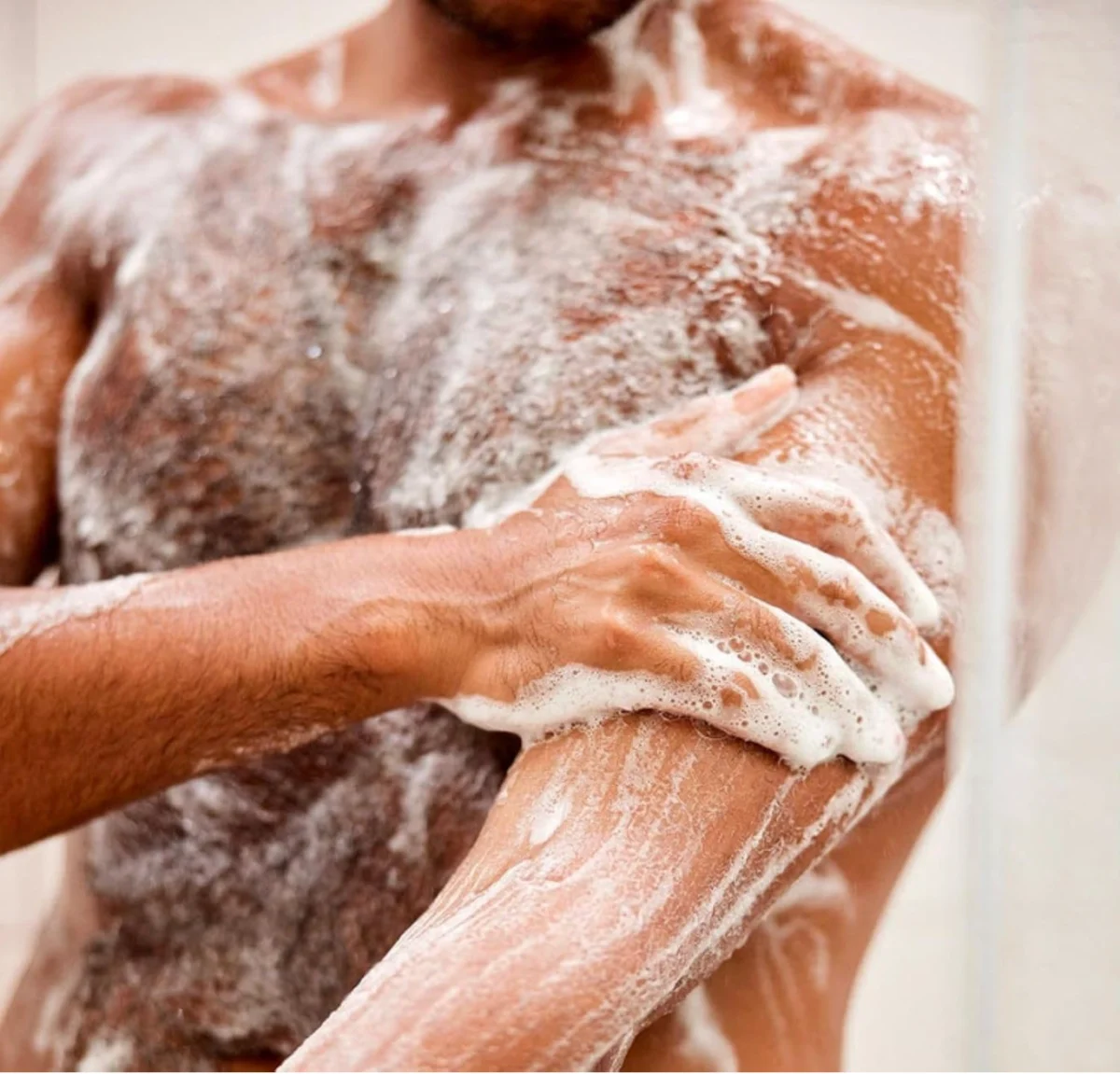
"While daily bathing is a deeply ingrained cultural norm, dermatological health often benefits from a personalized approach that prioritizes the skin’s natural barrier over rigid, 24-hour cleansing cycles."

The modern grooming routine is often dictated more by societal expectations and industrial marketing than by biological requirements. For decades, the daily shower has been framed as the gold standard of hygiene, yet medical experts are increasingly pointing toward a more nuanced reality: our skin is a complex ecosystem that can be easily disrupted by excessive washing. Understanding the intersection of personal activity, environmental factors, and dermatological science is essential for maintaining a healthy skin barrier while still meeting the practical demands of modern social life.
For most of modern history, the frequency with which a person bathed was a matter of access and necessity. However, in the post-industrial era, the daily shower became a symbol of professionalism and personal discipline. Today, that discipline is being re-evaluated. As grooming standards evolve, men are finding that "bad takes" on hygiene—such as the idea that skipping a day is inherently "gross"—are being challenged by the very doctors who treat skin conditions. According to Dr. Aziz Khan, MD, FAAD, a leading dermatologist, the daily shower is a cultural habit rather than a medical necessity for the average healthy adult. This shift in perspective suggests that instead of a universal rule, the ideal bathing frequency is a spectrum determined by an individual’s unique biological and environmental footprint.

The Biological Cost of Over-Showering
To understand why daily showering might be detrimental, one must look at the skin’s primary function: protection. The skin acts as a barrier against environmental pathogens, pollutants, and dehydration. This barrier is maintained by natural oils (sebum) and a delicate balance of beneficial bacteria known as the skin microbiome. When we subject our skin to frequent, high-temperature water and harsh surfactants found in many soaps, we are effectively stripping away these protective layers.
Dr. Danny Guo, MD, notes that over-showering, particularly with hot water, can lead to a cascade of dermatological issues. The heat and soap weaken the skin barrier, leading to transepidermal water loss. This manifests as dry, itchy, or irritated skin and can significantly flare up chronic conditions such as eczema or rosacea. The paradox of over-cleaning is that it can actually leave the skin more vulnerable to the very irritants we are trying to wash away. For those with a sedentary or moderately active lifestyle, the skin simply does not accumulate enough debris in 24 hours to justify a full-body chemical stripping. In these cases, showering every other day is often sufficient, provided that "tactical washing" is employed. Tactical washing involves using a gentle cleanser on the areas most prone to odor and bacterial growth: the armpits, the groin, and the feet.

The Consequences of Under-Showering
While the trend toward "low-frequency" bathing has gained traction, it is possible to swing too far in the opposite direction. Neglecting hygiene carries its own set of medical and social risks. From a purely health-focused perspective, skipping showers for too long allows for the accumulation of sweat, sebum, dead skin cells, and environmental pollutants. Dr. Brenden Camp, MD, explains that this buildup can lead to "dermatitis neglecta," a condition where a crust of oil and dirt forms on the skin.
More commonly, under-showering leads to follicular occlusion, or clogged pores. When dead skin cells and oil are not regularly removed, they become trapped, leading to body acne (often referred to as "bacne" or "chestne"). Furthermore, the warm, damp environment of unwashed skin provides a fertile breeding ground for fungi and bacteria. This increases the risk of fungal infections like tinea cruris (jock itch) or tinea corporis (ringworm). For men living in hot, humid climates or those who work in physically demanding occupations, the daily removal of these elements is non-negotiable for preventing infection and maintaining skin clarity.

Factors That Dictate Your Routine
Determining the "right" frequency requires an honest assessment of four key variables: activity level, climate, occupation, and age.
1. Activity Level and Occupation:
If you exercise to the point of significant perspiration, a shower is necessary to remove the salt and metabolic waste found in sweat. The same applies to those working in "dirty" environments—construction sites, hospitals, or kitchens—where the skin is exposed to hazardous materials or high bacterial loads. In these instances, the shower is a tool for decontamination.

2. Climate and Environment:
Geography plays a massive role in skin health. In cold, dry climates, the air naturally saps moisture from the skin. Frequent showering in these conditions exacerbates dryness. Conversely, in tropical or humid environments, the skin produces more oil and sweat, making daily cleansing more appropriate to prevent fungal overgrowth.
3. The Aging Factor:
Age is perhaps the most overlooked variable in grooming. As men age, their skin undergoes physiological changes: the epidermis thins, and the sebaceous glands become less active. Older skin produces significantly less oil and is more prone to tearing and irritation. Dr. Khan suggests that older men should generally shower less frequently than their younger counterparts to preserve the fragile integrity of their skin.

The Anatomy of a Healthy Shower
If your lifestyle dictates a daily shower, the method of showering becomes the most important factor in mitigating damage. Experts recommend a "harm reduction" approach to daily bathing. This includes keeping the duration short—ideally under ten minutes—and using lukewarm rather than scalding water. Hot water is a more effective solvent for skin oils, meaning it strips the barrier much faster than cool or tepid water.
Immediately following the shower, the application of a high-quality moisturizer is essential. This helps to "lock in" the hydration from the water and provides a synthetic barrier while the skin works to replenish its natural oils.

The Essential Toolkit for Modern Grooming
To maintain this balance, the products used must be tailored to the skin’s needs rather than just its scent. For those with sensitive skin or those who shower frequently, a hydrating face cleanser like La Roche-Posay Toleriane Hydrating Gentle Face Cleanser or Kiehl’s Ultra Facial Cleanser provides effective cleaning without disrupting the pH balance of the face. If redness or irritation is a recurring issue, products like the Tower 28 SOS Gel Cleanser can help soothe the skin barrier.
For body care, the move away from harsh detergent bars toward moisturizing washes is a significant upgrade. Nivea Men Sensitive 3-in-1 Body Wash and Bevel Moisturizing Body Wash are formulated to clean while leaving a thin layer of hydration behind. For the "tactical washing" of the groin area, specialized products like Every Man Jack Foaming Groin Wash offer a gentle alternative to standard soaps.

Hair care requires similar discretion. Over-washing the scalp can lead to dandruff caused by dryness rather than oiliness. Utilizing thickening shampoos like DS LABORATORIES Revita or scalp-specific formulas like Nioxin Scalp Relief can address specific concerns without the "strip-and-dry" effect of lower-quality options. For those who prefer the traditional feel of a bar, options like the Baxter of California Vitamin Cleansing Bar or the Dr. Squatch All Natural variety packs offer a more skin-friendly profile than industrial-grade soaps.
Finding Your Personal Baseline
Ultimately, the goal of a grooming routine is to support the body’s natural functions rather than fight against them. Showering is not a competitive sport, nor is it a moral obligation to hit a 24-hour timer. By paying attention to the signals the skin sends—itchiness, oiliness, or dullness—men can adjust their frequency to match their reality. Whether that means a daily rinse after a heavy lifting session or a skipped day during a quiet, cold weekend, the focus should remain on long-term skin health. In the world of grooming, the most "sophisticated" take is often the one that acknowledges that less can, quite literally, be more.
